Research Finds Ciprofol–Remifentanil Pairing Can Simplify LMA Insertion


Why Rethink Airway Management?
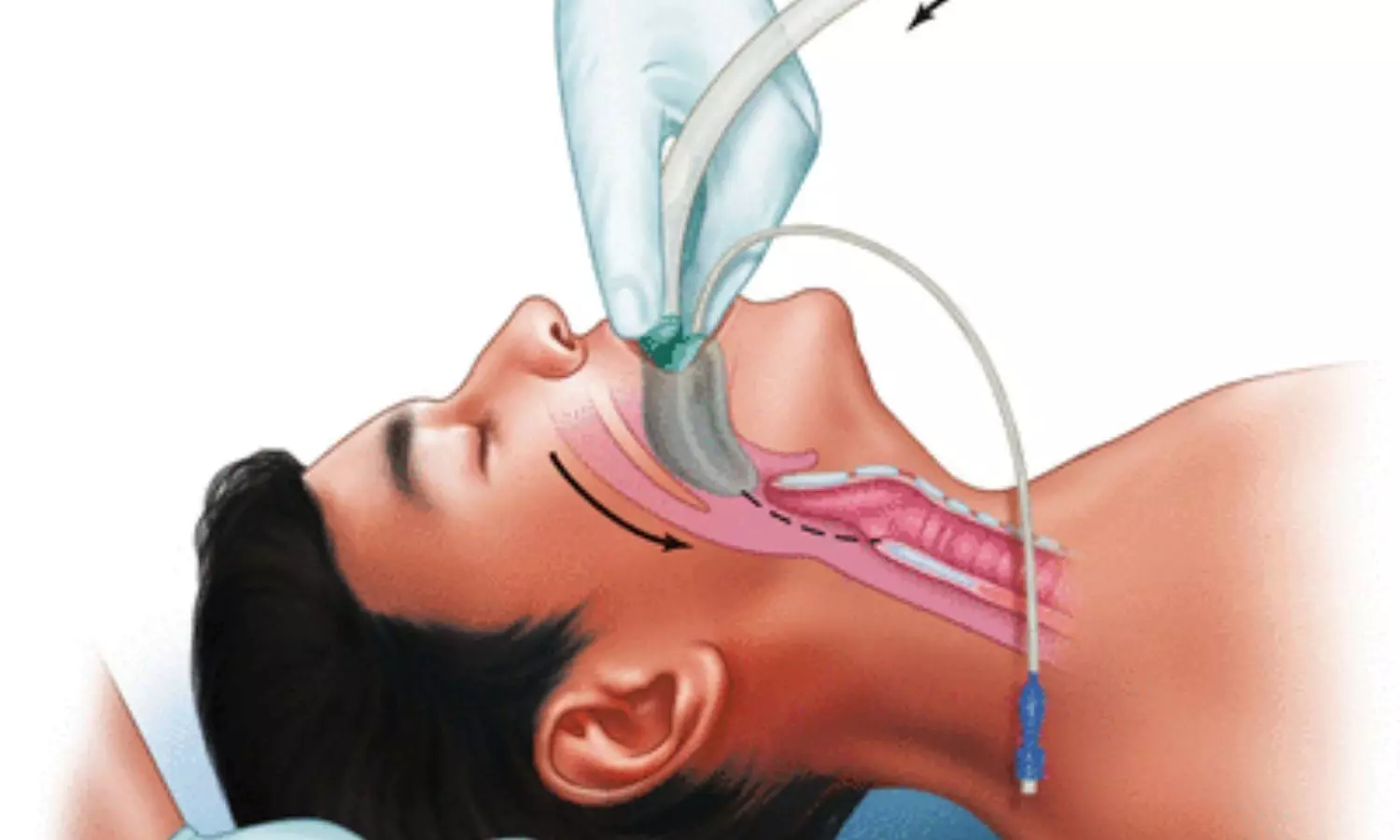
For many patients, anesthesia means an airway device like the laryngeal mask airway (LMA) is inserted to protect breathing during surgery. Traditionally, this step involves muscle relaxants—but these drugs can prolong recovery and introduce risks like residual muscle weakness. What if you could skip them, keeping the process smoother and safer?
The Search for the Sweet Spot
A team of Shanghai researchers set out to solve this challenge, testing a modern sedative—ciprofol—paired with the ultra-short-acting opioid remifentanil. Their goal: find the perfect dose combination that allows successful, comfortable LMA placement—no muscle relaxants required.
The Two-Phase Trial: How Did It Work?
Phase 1: Ciprofol was fixed at 0.4 mg/kg while remifentanil was adjusted using a smart, stepwise method to find the median effective dose (ED₅₀).
Phase 2: With remifentanil held at the newly found ED₅₀ (0.7 μg/kg), ciprofol’s dose was fine-tuned to find its own ED₅₀.
Success was defined as a smooth LMA placement—no coughing, no gagging, and a secure airway seal.
Results: The Goldilocks Doses
Remifentanil ED₅₀: 0.7 μg/kg (with ciprofol 0.4 mg/kg)
Ciprofol ED₅₀: 0.34 mg/kg (with remifentanil 0.7 μg/kg)
With this combination, most patients had a smooth LMA insertion. The side effect profile was reassuring: mild blood pressure drops in 12.7% and slow heart rate in 9.5%, with nearly zero injection pain—much less than with traditional propofol.
Why Is This a Big Deal?
This approach slashes the need for higher opioid doses and muscle relaxants, making anesthesia both gentler and easier to manage. It’s especially promising for fast-track, outpatient, or enhanced recovery surgeries where every minute—and every side effect—counts.
Looking Ahead
While the study focused on generally healthy adults, the findings suggest a future where airway management is safer, more comfortable, and tailored to each patient’s needs—no muscle relaxants required.
5 Key Takeaways
Ciprofol 0.34 mg/kg + remifentanil 0.7 μg/kg enables LMA placement without muscle relaxants.
Lower opioid doses needed: Less risk of respiratory depression or nausea.
Almost no injection pain—a big comfort boost over propofol.
Side effects were mild and manageable, with no serious complications.
Ideal for enhanced recovery and outpatient surgery— more research needed for elderly or high-risk groups.
Citation:
Lu, X., Wang, H., Bao, C., Wang, Y., & Luo, Y. (2026). Optimal dose of ciprofol combined with remifentanil for laryngeal mask placement without muscle relaxant: a biased-coin up-and-down sequential allocation trial. BMC Anesthesiology. https://doi.org/10.1186/s12871-026-03844-6