Patient-Controlled ESPB Offers Safe, Effective Alternative to Epidural Analgesia, finds study
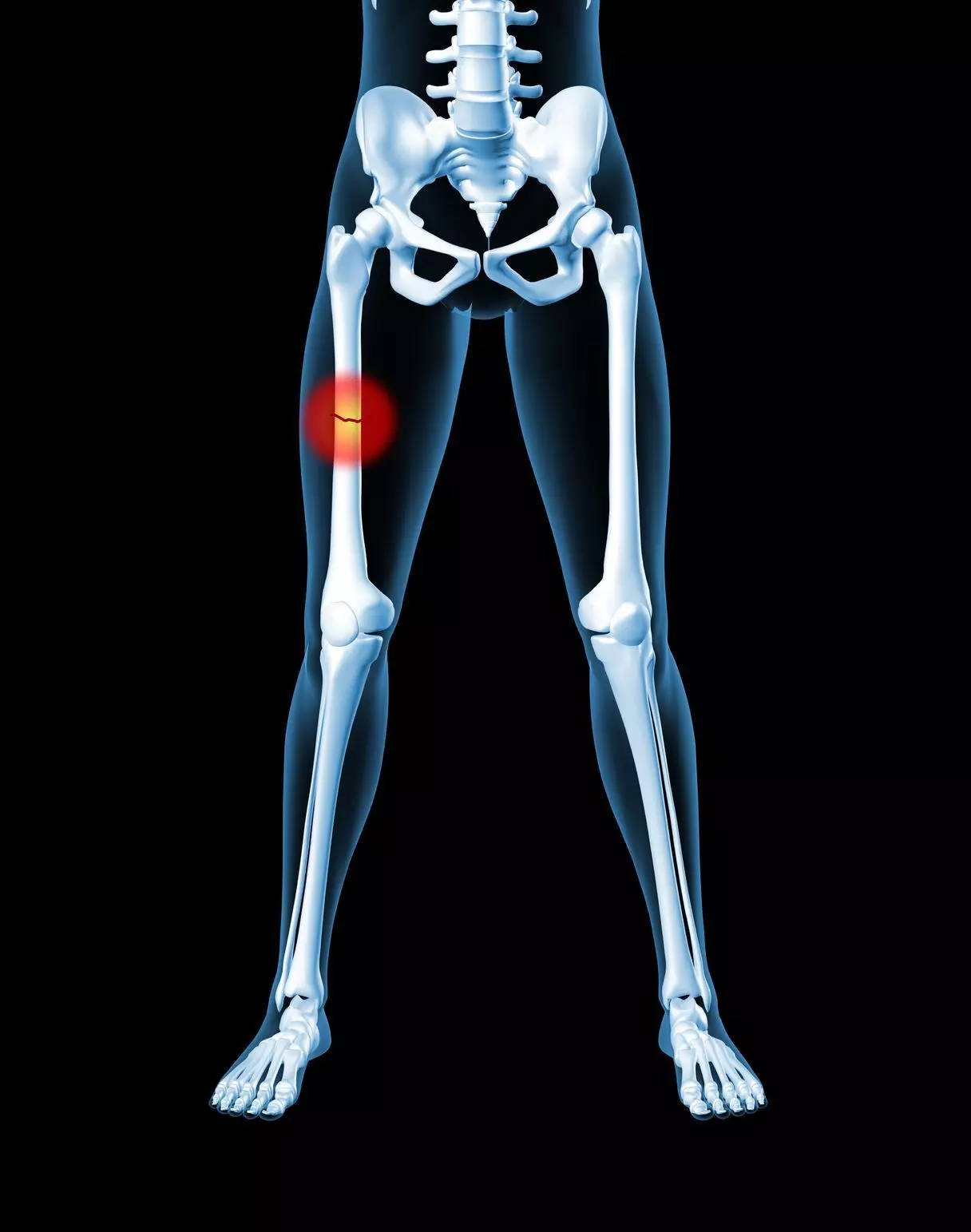



Is there a safer, simpler alternative to epidural analgesia for patients recovering from femur fracture surgery? As clinicians search for effective, patient-friendly postoperative pain solutions, a new randomized trial in the Journal of Anaesthesiology Clinical Pharmacology compares the patient-controlled lumbar erector spinae plane block (ESPB) with the gold-standard patient-controlled epidural analgesia (PCEA).
Rethinking Pain Control in Femur Fracture Surgery
Postoperative pain management is crucial for optimal recovery after femur fracture repair. While epidural analgesia is highly effective, it carries risks like hypotension, urinary retention, and motor block—especially in patients on anticoagulants. The lumbar ESPB, a newer ultrasound-guided fascial plane block, is gaining popularity as a potentially safer option for lower extremity surgeries but has not been widely compared to epidural techniques in this context.
Study Design: Head-to-Head Comparison
Eighty adult patients scheduled for unilateral femur shaft fracture surgery were randomized to receive either patient-controlled lumbar ESPB or PCEA. All patients received a preoperative block catheter, followed by spinal anesthesia for the procedure. After surgery, both groups used an elastomeric patient-controlled analgesia (PCA) pump delivering ropivacaine. Pain scores (numeric rating scale, NRS), rescue analgesic use, and patient satisfaction were monitored over 24 hours.
Key Findings: Comparable Pain Relief and Satisfaction
Cumulative 24-hour pain scores were similar between groups (ESPB: 1.80; PCEA: 1.56; P = 0.380).
Pain scores were transiently higher at 2 and 4 hours in the ESPB group, but remained below 3 in both groups.
Rescue paracetamol and tramadol requirements, time to first rescue analgesia, and the number of PCA boluses were comparable.
Mean arterial pressure was transiently lower at 8 hours in the epidural group, reflecting its direct sympathetic block.
Patient satisfaction was equally high in both groups.
Catheter insertion was more difficult in the ESPB group, but serious complications were rare and similar across groups.
Clinical Implications: ESPB as a Practical Alternative
This study demonstrates that patient-controlled lumbar ESPB can provide pain relief and patient satisfaction equivalent to epidural analgesia after femur fracture surgery—while potentially offering a safer side effect profile. ESPB may be especially attractive in patients with contraindications to neuraxial techniques or those at risk for epidural complications.
Conclusion
Patient-controlled lumbar ESPB is a noninferior, effective, and well-tolerated alternative to epidural analgesia for postoperative pain following femur fracture surgery. Its ease of use and safety profile support broader adoption in orthopedic anesthesia practice.
KEY points
Lumbar ESPB provides pain control similar to epidural analgesia after femur fracture surgery.
Patient satisfaction and rescue analgesic needs were comparable between the two techniques.
ESPB may offer a safer option in patients at risk for epidural complications.
Minor complications and technical challenges were similar across groups.
ESPB is an emerging, practical alternative for multimodal pain management in orthopedic surgery.
Citation: Saini S, Manu KA, Gupta A. Comparison of patient-controlled lumbar erector spinae plane block with patient-controlled epidural block for postoperative analgesia in patients undergoing surgery for fracture femur. Journal of Anaesthesiology Clinical Pharmacology. 2026;42(3):417-423. DOI: 10.4103/joacp.joacp_614_25