Pupillometry Simple Tool to Predict Hypotension After Spinal Anesthesia in Diabetic Patients: Study

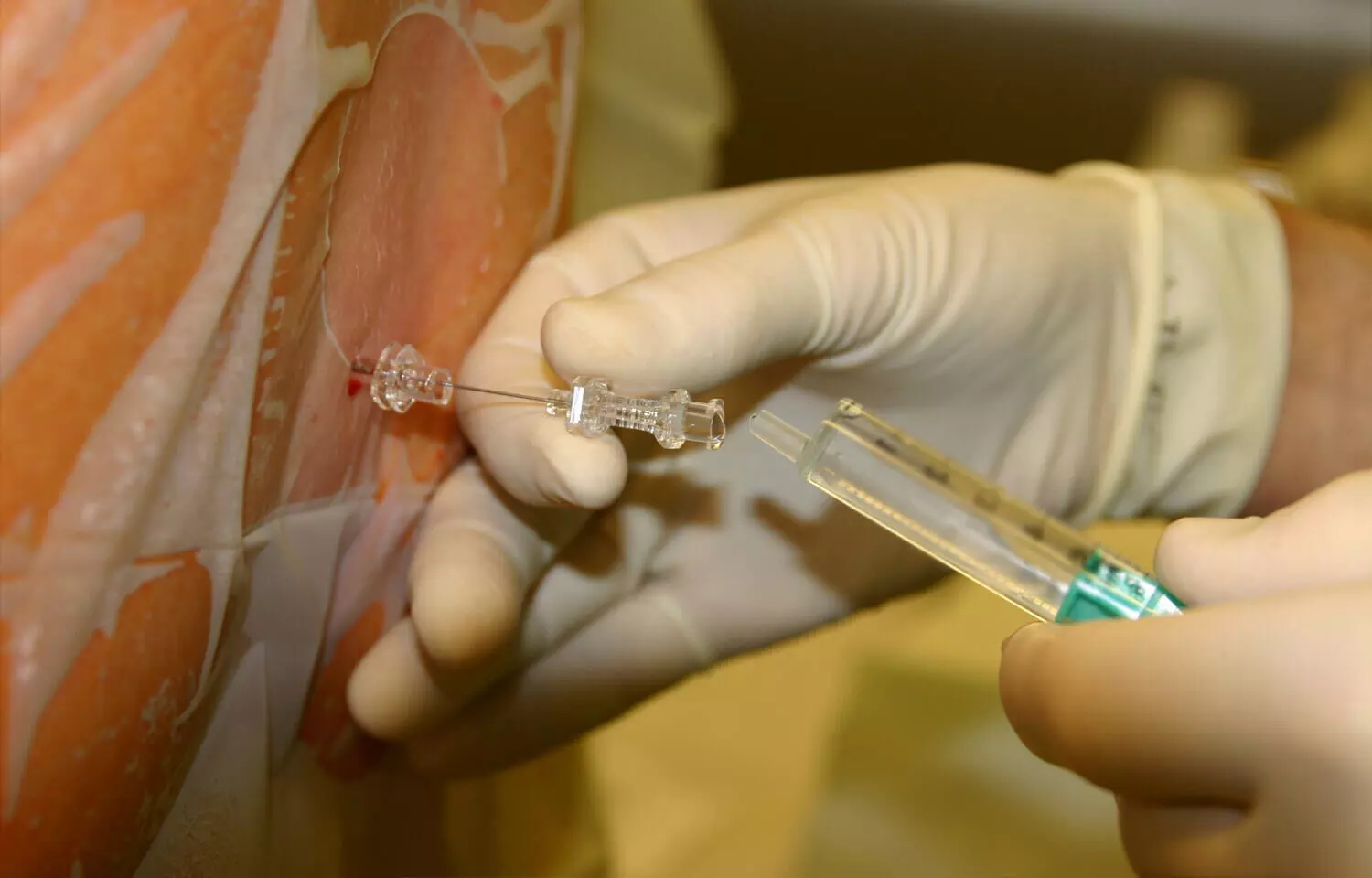


How can we quickly identify diabetic patients at highest risk for severe hypotension following spinal anesthesia? As diabetes becomes increasingly common among surgical candidates, perioperative hemodynamic instability poses significant challenges. A new prospective study in the Journal of Anaesthesiology Clinical Pharmacology highlights dynamic pupillometry—a fast, noninvasive bedside test—as a practical screening tool for this risk.
Why Hypotension After Spinal Anesthesia Matters in Diabetes
Spinal anesthesia offers multiple advantages for diabetic patients, but those with occult or established autonomic neuropathy are particularly vulnerable to post-spinal hypotension. Sudden drops in blood pressure can be dangerous, especially for patients with underlying cardiac, renal, or cerebral disease. Traditionally, diagnosing autonomic neuropathy relies on cumbersome tests. Dynamic pupillometry, which measures pupil size and reactivity, directly reflects autonomic nervous system function and may offer a feasible alternative.
Study Design: Pupillometry as a Predictor
In this prospective observational study, 75 adult diabetic patients scheduled for surgery under spinal anesthesia underwent dynamic pupillometric assessment the day before their procedure. Baseline pupil radius and several dynamic responses were measured. On the day of surgery, all patients received a standardized spinal anesthetic, and their blood pressure was closely tracked for hypotensive episodes and vasopressor requirements.
Key Findings: Smaller Baseline Pupil Radius Predicts Severe Hypotension
77% of patients experienced hypotension after spinal anesthesia; 41% had severe (>30% drop in MAP).
Patients with severe hypotension had a significantly smaller baseline pupil radius (3.86 mm) compared to those without hypotension (4.37 mm, P = 0.006).
A baseline pupil radius under 4.01 mm predicted post-spinal hypotension with ~71% sensitivity and specificity (AUC 0.720).
Other dynamic pupillometry parameters were not significant predictors.
The duration of diabetes trended higher in those with severe hypotension, though not statistically significant.
Clinical Implications: Simple Screening for Complex Risk
Dynamic pupillometry offers a quick, cost-effective way to assess autonomic function and stratify risk in diabetic surgical patients. Identifying those with a small baseline pupil radius could allow for closer intraoperative monitoring, tailored anesthesia dosing, or proactive hemodynamic management—potentially reducing morbidity in this vulnerable population.
Conclusion
A smaller baseline pupil radius, as measured by dynamic pupillometry, is a promising marker for predicting post-spinal hypotension in diabetic patients. Routine perioperative pupillometry could help anesthesiologists anticipate and mitigate hemodynamic instability, improving safety for this high-risk group.
KEY points
Baseline pupil radius <4.01 mm predicts significant risk of post-spinal hypotension in diabetic patients.
Dynamic pupillometry is a rapid, noninvasive, and simple test for perioperative autonomic assessment.
Over 75% of diabetic patients in this study experienced some degree of hypotension after spinal anesthesia.
Severe hypotension was associated with smaller baseline pupil size but not with other dynamic pupillometry metrics.
Incorporating pupillometry into preoperative assessment may enhance risk stratification and perioperative planning.
Citation: Sharma D, Vinayagam S, Babu KR, Elango Y. Dynamic pupillometry to predict hypotension after spinal anesthesia in patients with diabetes mellitus – A prospective observational study. Journal of Anaesthesiology Clinical Pharmacology. 2026;42(3):424-429. DOI: 10.4103/joacp.joacp_672_25