Reducing Transfusions in LVAD Patients: Impact of Targeted Conservation Protocol, finds study
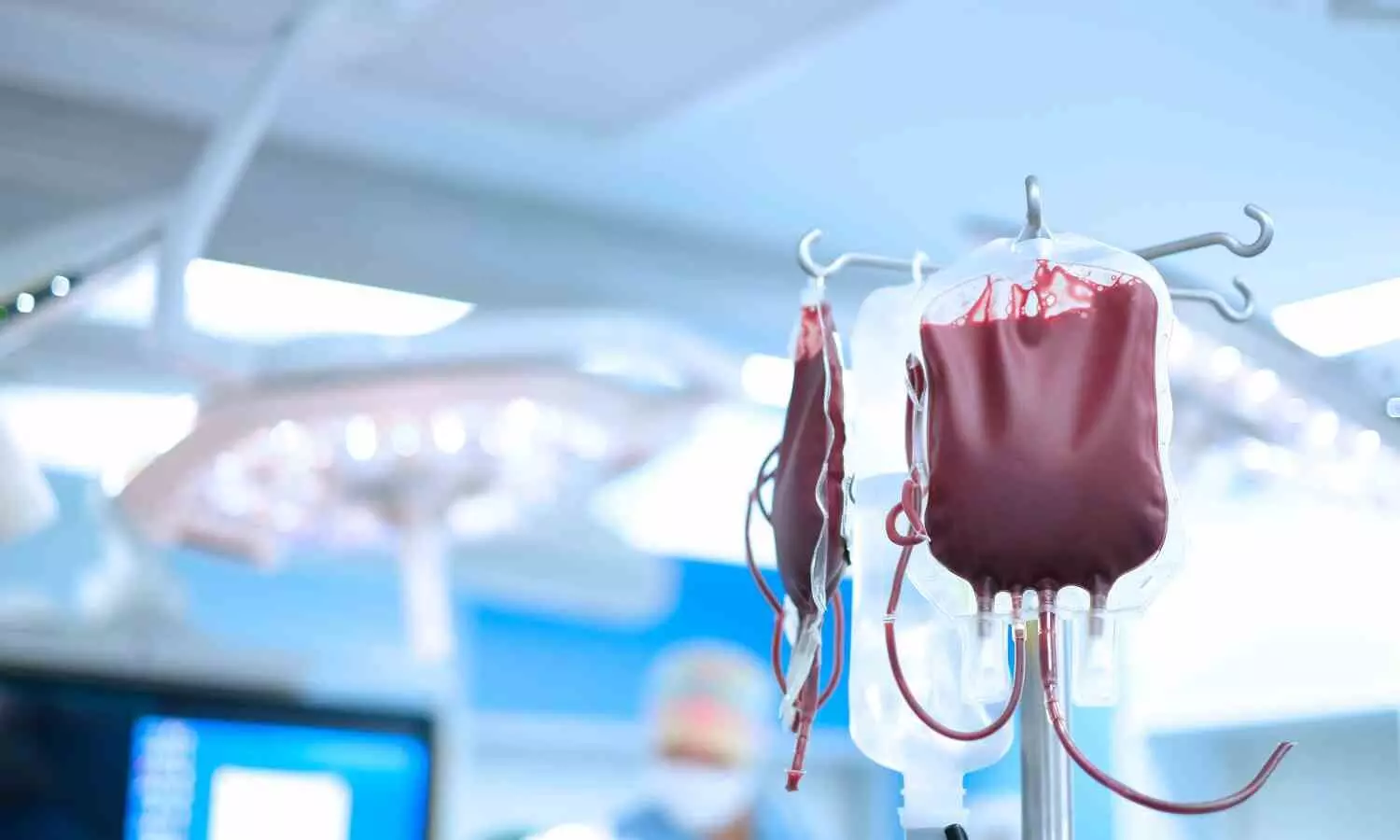
Blood transfusion


Recently published single-center cohort study explored whether a structured blood conservation protocol could safely reduce transfusion requirements and improve recovery in adults undergoing left ventricular assist device (LVAD) implantation. The investigators analyzed all LVAD surgeries performed between June 2017 and October 2024 at a large cardiovascular center in China. Patients operated before 2023 received conventional perioperative care, while those from 2023 onward were treated under a formal, multidisciplinary blood conservation pathway designed specifically for LVAD candidates. In total, 120 patients were included: 62 in the traditional care group and 58 in the protocol group. The main outcome was total intraoperative blood transfusion; secondary and exploratory outcomes included component‑specific transfusion rates and volumes, reoperation for bleeding, mechanical ventilation time, intensive care unit (ICU) and hospital length of stay, mortality, and major postoperative complications.
The protocol targeted multiple contributors to bleeding and transfusion, recognizing that LVAD patients often have end‑stage heart failure, malnutrition, organ dysfunction and complex surgery. Preoperatively, anemia was proactively corrected when hemoglobin fell below 12 g/dL using erythropoietin, iron and vitamin B12, and each patient underwent individualized nutritional assessment to address poor protein and iron intake. Heart failure was medically optimized, and antiplatelet/anticoagulant regimens were standardized with clear withdrawal times, bridging strategies and monitoring in patients with renal or hepatic impairment. In the operating room, cell salvage was employed in all cases, and the priming volume for cardiopulmonary bypass was reduced to limit hemodilution. A restrictive, protocolized red blood cell transfusion strategy was adopted, with set hemoglobin thresholds modified by markers of inadequate oxygen delivery. Tranexamic acid was routinely given, coagulation support shifted from fresh frozen plasma to prothrombin complex concentrate and fibrinogen, temperature management was intensified, and LVAD procedures were increasingly performed by a stable, experienced surgical team.
Implementation of this comprehensive program led to a marked reduction in total intraoperative transfusion volume compared with historical practice. Both the proportion of patients receiving red blood cells and the average number of units transfused fell substantially, and fresh frozen plasma use declined in similar fashion. Platelet transfusion remained common, and the observed decrease in reoperation for bleeding did not reach clear statistical significance. Beyond transfusion metrics, patients treated under the protocol demonstrated shorter durations of postoperative mechanical ventilation, reduced ICU stays, and shorter overall hospitalizations, suggesting a quicker recovery course. Importantly, there was no evidence of increased perioperative mortality or major complications such as acute kidney injury requiring continuous renal replacement therapy, right heart failure, stroke, respiratory failure, or LVAD thrombosis in the protocol group. The authors note that their findings are limited by the retrospective, non‑randomized, single‑center design, baseline differences between groups, modest sample size and the gradual nature of practice changes, and they call for multicenter prospective randomized trials to confirm the benefits and generalizability of LVAD‑specific blood conservation strategies.
Major points
- A multidisciplinary, LVAD‑tailored blood conservation protocol combining preoperative optimization and intraoperative standardization substantially reduced intraoperative transfusion requirements.
- Red blood cell and plasma transfusion rates and volumes decreased, while key recovery markers (ventilation time, ICU stay, hospital stay) improved under the protocol.
- The conservation strategy did not increase perioperative mortality or serious postoperative complications, suggesting it is safe as well as effective.
- Methodologic constraints (single center, retrospective cohort, group imbalances, limited sample size) mean the results should be validated in larger, multicenter randomized studies.
Reference –
Guo, Jingfei; Kang, Wenying; Wang, Xianqiang1; Duan, Fujian2; Shi, Jia; Ji, Bingyang3; Chen, Haibo1; Zhou, Xingtong1; Yuan, Su. Blood Conservation Protocol for Patients Undergoing Left Ventricular Assisted Device Implantation. Annals of Cardiac Anaesthesia 29(1):p 35-42, Jan–Mar 2026. | DOI: 10.4103/aca.aca_81_25