Research Finds Optimal Ciprofol Dose With Alfentanil for Suppressing Cervical Dilation Responses
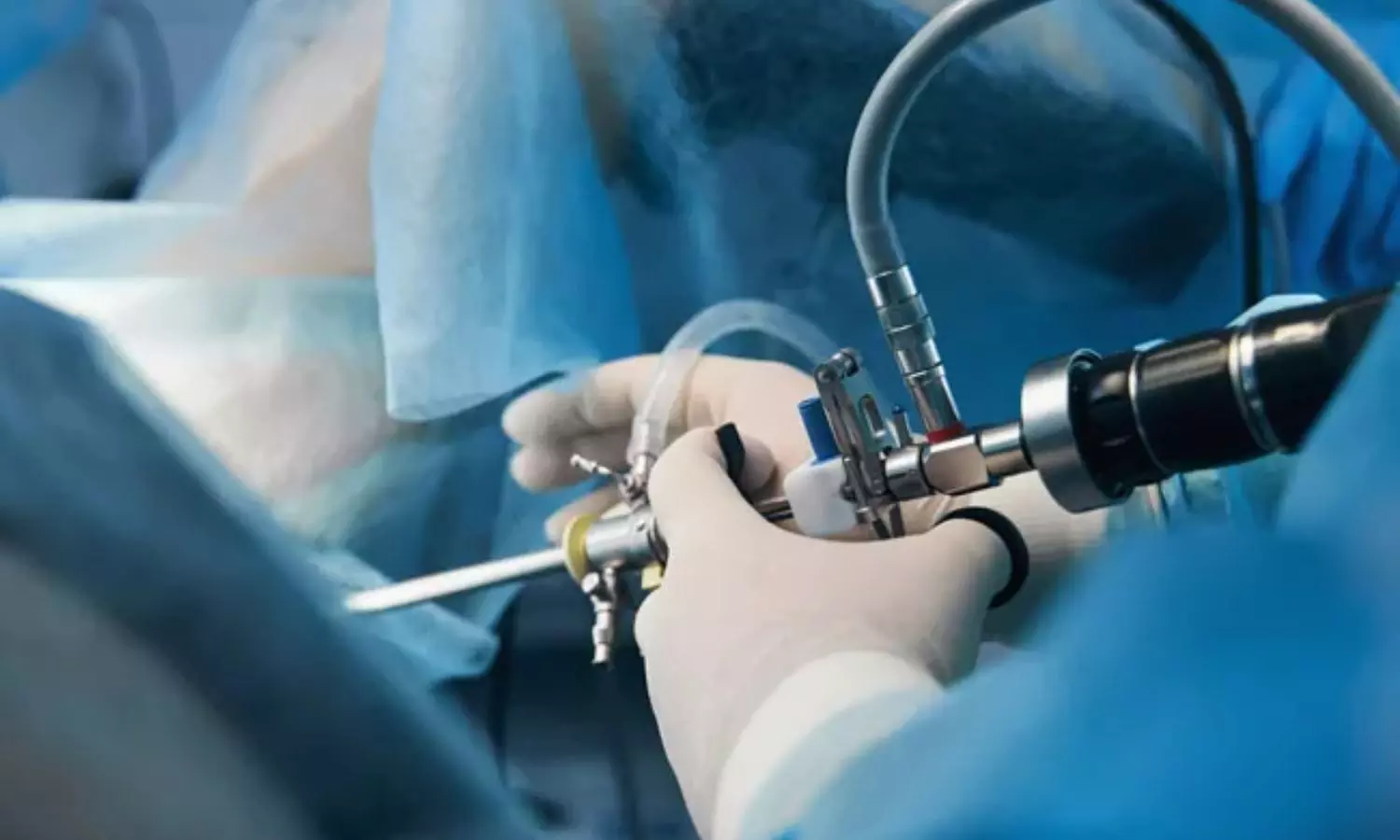


How can we minimize patient movement and discomfort during cervical dilation in hysteroscopy while maintaining safety and rapid recovery? A new prospective study provides quantitative guidance for optimizing ciprofol dosing when paired with alfentanil, aiming for effective, tailored sedation in the ambulatory setting.
Study Design: Dixon Up-and-Down Dose Finding
Researchers conducted a prospective, single-blind, single-center dose-finding study using the Dixon up-and-down sequential method. Adult women scheduled for elective hysteroscopy received a fixed dose of alfentanil (7.4 μg/kg) and then ciprofol at doses adjusted in 0.025 mg/kg increments, starting from 0.40 mg/kg. The goal was to determine the median effective dose (ED50) and the dose effective for 95% of patients (ED95) for suppressing movement in response to cervical dilation.
A “failure” was defined as any somatic movement (body movement, frowning, perioral twitching, or restlessness) during dilation, and a “success” as complete absence of movement. Dosing continued until seven crossover pairs (success-to-failure or vice versa) were observed.
Main Results: Quantifying the Effective Dose
A total of 32 patients completed the protocol. The Dixon–Mood method determined the ED50 of ciprofol to be 0.397 mg/kg. Logistic regression provided an ED95 estimate of 0.521 mg/kg (95% CI: 0.389–0.652 mg/kg).
ED50 (ciprofol): 0.397 mg/kg (with alfentanil 7.4 μg/kg)
ED95 (ciprofol): 0.521 mg/kg (model-based estimate)
The regimen was generally well-tolerated. Two patients (6.3%) required brief jaw-thrust for oxygen desaturation, but there were no cases requiring assisted ventilation or serious adverse events.
Why These Findings Matter
Cervical dilation is the most stimulating part of hysteroscopy, often provoking patient movement if sedation is inadequate. Optimal sedation minimizes movement, shortens procedure time, and improves patient and operator comfort. The study’s ED50 and ED95 estimates offer a more scientific basis for ciprofol titration in combination with alfentanil, helping clinicians avoid both under- and overdosing.
Ciprofol is a newer intravenous anesthetic with a GABA-A receptor mechanism, rapid onset, and a favorable safety profile compared to propofol. Alfentanil is a short-acting opioid, chosen here for its rapid onset and short half-life, ideal for ambulatory procedures.
Clinical Context and Limitations
These findings were generated in a homogeneous, healthy population (women aged 18–60, ASA I–II, BMI <28).
The Dixon method is robust for ED50 estimation but less so for precise ED95; higher doses may need further validation.
Individualized dosing remains essential, especially in patients with comorbidities, obesity, or advanced age.
Conclusion
Ciprofol at 0.397 mg/kg (ED50) combined with alfentanil 7.4 μg/kg effectively suppresses cervical dilation responses in hysteroscopy, with an ED95 of 0.521 mg/kg. These findings guide optimal sedation dosing, supporting safer and more comfortable ambulatory gynecologic care.
Key points
Ciprofol ED50 for suppressing cervical dilation response (with alfentanil 7.4 μg/kg) is 0.397 mg/kg.
Model-based ED95 is estimated at 0.521 mg/kg, but should be interpreted with caution.
The Dixon up-and-down method offers reliable ED50 determination in dose-finding studies.
Ciprofol–alfentanil was well-tolerated, with only minor, transient airway interventions required.
Individualized dosing remains important for non-standard populations or higher-risk patients.
Citation:
Zhang C, Zhu Y, Zeng L, et al. Median effective dose (ED50) of ciprofol combined with alfentanil for suppressing cervical dilation responses during hysteroscopy: a prospective Dixon up-and-down study. BMC Anesthesiol. 2026; [in press]. https://doi.org/10.1186/s12871-026-03925-6