Study Finds Virtual Nasal Endoscopy Reduces Bleeding During Nasotracheal Intubation


Bleeding from the nose is a common and frustrating complication during nasotracheal intubation, a procedure often used in oral and maxillofacial surgeries. But what if a non-invasive virtual imaging technique could make this procedure safer and more comfortable? That’s exactly what researchers set out to test in this recent clinical trial.
The Problem with Nasotracheal Intubation
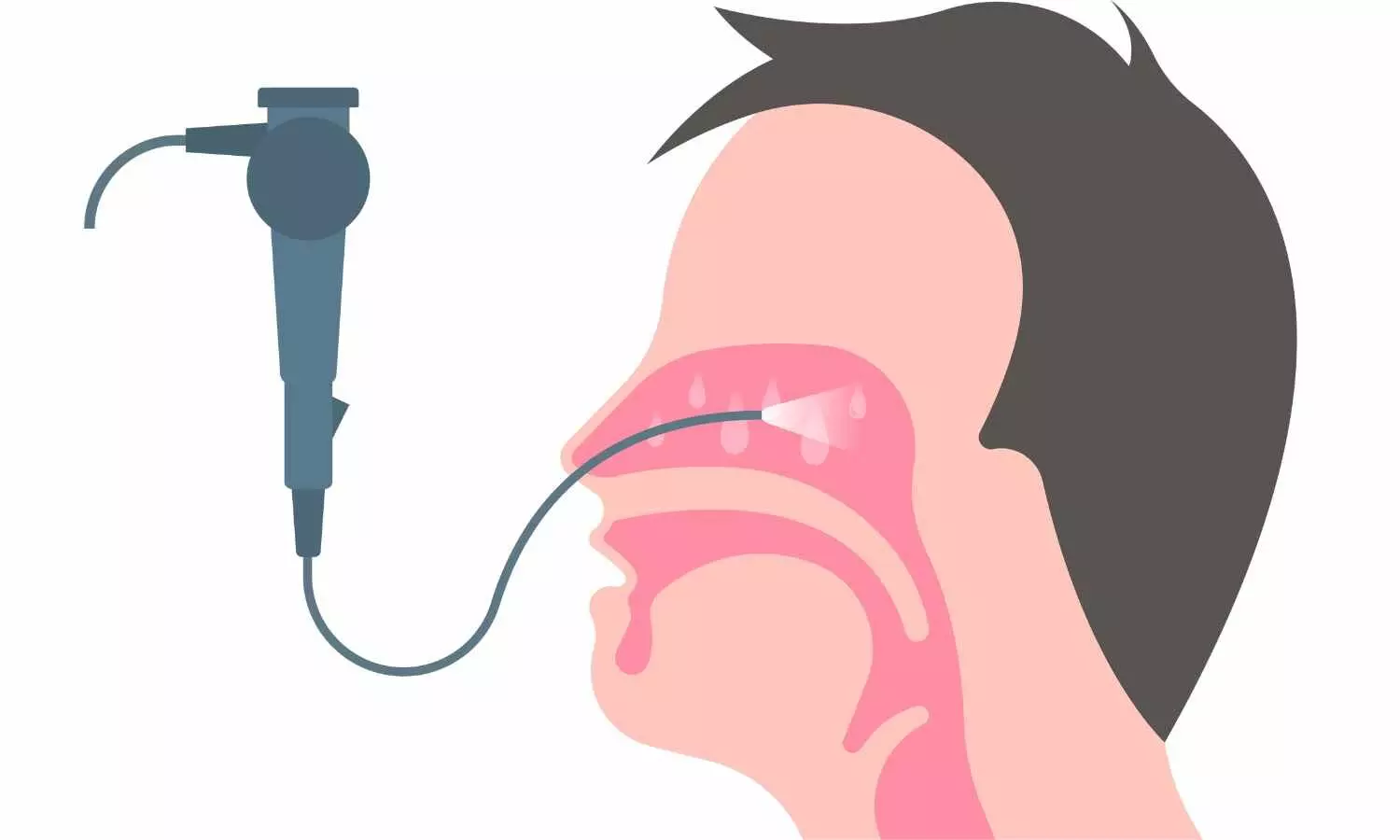
When patients undergo surgeries involving the mouth or face, doctors often use a special tube through the nose to help them breathe. This process, called nasotracheal intubation, can sometimes cause nosebleeds. In fact, studies report that up to 77% of patients may experience some bleeding, especially if the tube scrapes or injures delicate nasal tissues. Traditionally, doctors use a flexible camera (flexible nasal endoscopy, or FNE) to check which nostril is more open before placing the tube. However, this approach is invasive and can still miss hidden nasal issues.
Virtual Nasal Endoscopy: A Safer Alternative?
The study compared two methods for choosing the best nostril and tube size:
Virtual Nasal Endoscopy (VNE): Uses CT scans and special software to “see” inside the nose without any instruments entering the body.
Flexible Nasal Endoscopy (FNE): The standard approach, using a small camera inside the nose.
Sixty-four adult patients scheduled for elective oral or maxillofacial surgery were randomly assigned to either VNE or FNE. Both groups had their nasal passages evaluated, and the side/tube size for intubation was chosen accordingly.
What Did the Study Find?
The results were striking:
Patients in the VNE group had far fewer nosebleeds—only 18.8% experienced bleeding during laryngoscopy, compared to 59.4% in the FNE group.
Bleeding was also much less common during throat packing in the VNE group (31.2% vs. 84.4%).
Intubation was quicker and usually successful on the first try in the VNE group.
Patients in the VNE group required fewer adjustments and less force during tube placement.
Both groups had similar outcomes for postoperative pain and nasal blockage, suggesting VNE did not add any new risks.
Why Does This Matter?
For patients, fewer nosebleeds mean less discomfort, reduced anxiety, and a smoother recovery. For clinicians, VNE offers a non-invasive and objective way to pick the best nostril and tube size, while potentially making airway management more predictable and efficient.
Takeaway
This study suggests that virtual nasal endoscopy may become a valuable tool in surgical anesthesia, making nasotracheal intubation safer and more comfortable for patients.
5 Key Takeaways
Virtual nasal endoscopy (VNE) led to fewer nosebleeds during nasotracheal intubation than the traditional flexible endoscopy method.
Intubation was faster and required fewer manipulations with VNE guidance.
Both methods were equally safe in terms of postoperative pain and nasal obstruction.
VNE is non-invasive and uses imaging that patients often already have for surgical planning.
Virtual techniques could improve patient comfort and safety in a variety of surgeries.
Citation: Priya CS, Thangaswamy CR, Elakkumanan LB, Krishnan B, Nagarajan K. Comparing the incidence of epistaxis during nasotracheal intubation with Ring‑Adair‑Elwyn tubes using virtual versus flexible nasal endoscopy in patients undergoing elective oral and maxillofacial surgeries – A randomized clinical trial. Journal of Anaesthesiology Clinical Pharmacology. 2026;42(3):386-391. doi:10.4103/joacp.joacp_458_25.