Ultrasound-Measured Gastric Volume Helps Predict Aspiration Risk, finds study
Sudhir Rajpal Orders Inspections on MTP and Ultrasound Centers


Why Accurately Measuring Stomach Volume Matters
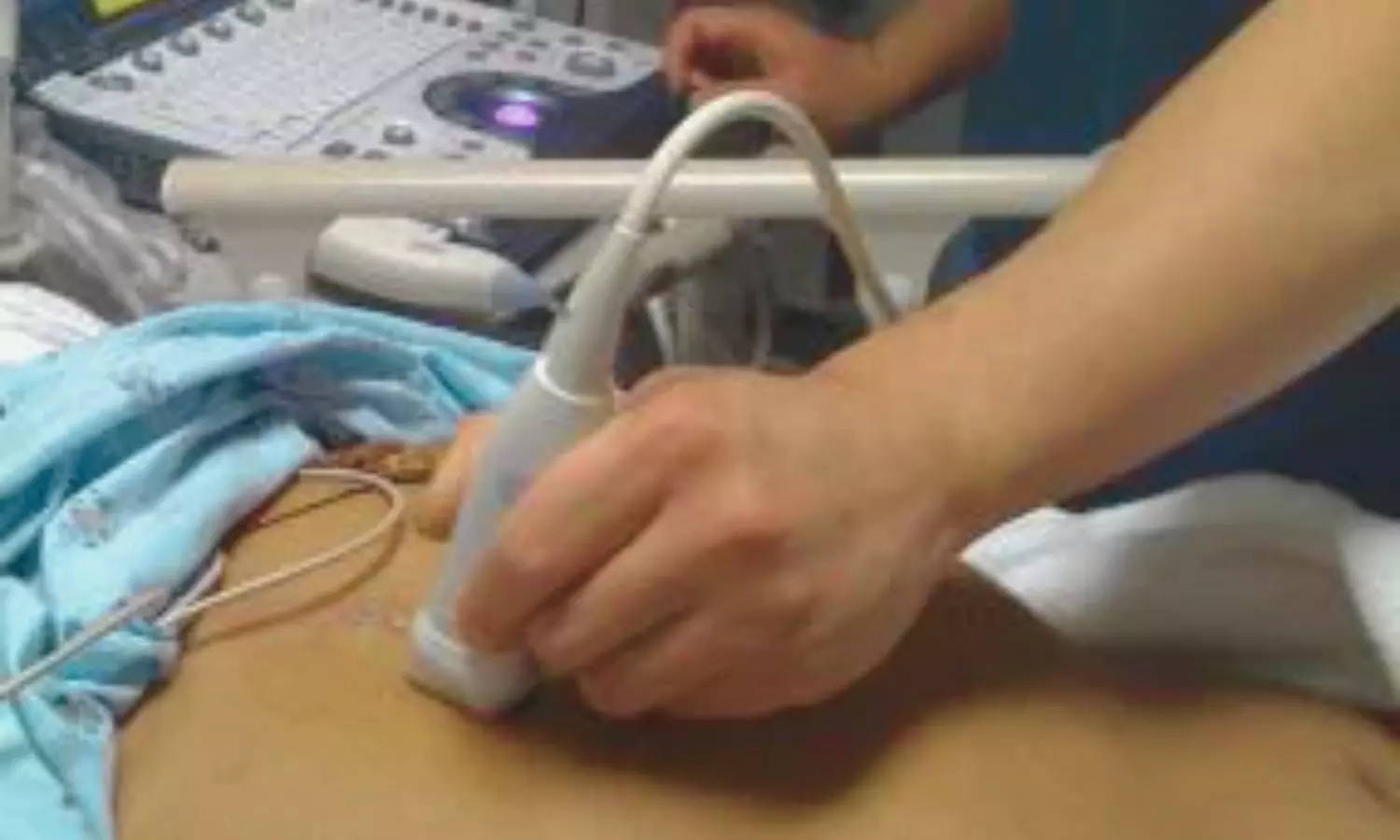
When preparing patients for surgery, anesthesiologists face a crucial safety challenge: preventing pulmonary aspiration of stomach contents, a complication that can lead to serious injury or even death. While fasting guidelines help, not every patient empties their stomach at the same rate, and some may still be at risk despite following the rules. That’s where gastric ultrasound comes in—a tool that lets doctors peek inside and estimate how much liquid is left in the stomach.
The Dilemma: Which Ultrasound View Is Best?
But there’s a catch. Ultrasound assessments are typically performed at two different anatomical planes: the abdominal aorta plane and the inferior vena cava (IVC) plane. These two views can yield different estimates of stomach volume, and until now, it was unclear which provides the most accurate prediction—especially when it matters most.
The Study Approach: Testing Two Views, Two States
Researchers recruited 196 healthy adult volunteers and measured their gastric volumes with ultrasound at both planes after fasting (low volume) and after drinking a set amount of apple juice (high volume, simulating full stomach). They compared the predicted volumes from each view to the actual ingested volume and assessed their ability to detect “high aspiration risk.”
Key Findings: Let the Numbers Guide You
Both planes gave different results, regardless of whether the stomach was empty or full.
Neither plane was always the best—sometimes the aorta plane gave a higher volume, sometimes the IVC.
The “higher-measured” value for each patient—regardless of which plane it came from—was the most accurate compared to what was actually in the stomach.
The “higher-measured” plane also most reliably identified those at true risk for aspiration.
Why This Matters for Patients and Providers
This research suggests that, instead of automatically trusting one ultrasound view over the other, clinicians should use the highest value measured between the two planes to make safer, more personalized decisions about anesthesia. This approach could help avoid unnecessary fasting or, more importantly, prevent a dangerous oversight.
Key Takeaways
Gastric ultrasound is essential for evaluating aspiration risk, especially in non-standard cases.
Abdominal aorta and IVC planes often disagree on stomach volume estimates.
The highest-measured volume between planes is the most accurate predictor of actual stomach content.
This method improves detection of high aspiration risk and can inform safer anesthesia choices.
Future predictive models should account for differences between measurement planes.
Citation:
Liu H, He Y, Ding L, et al. Multiplanar Ultrasonographic Assessment of Gastric Volume: A Prospective Observational Study. Anesthesiology. 2026;144:1299–308. doi:10.1097/ALN.0000000000006005