
New ACC Guideline Recommends Broader PAD Screening in Adults With Diabetes
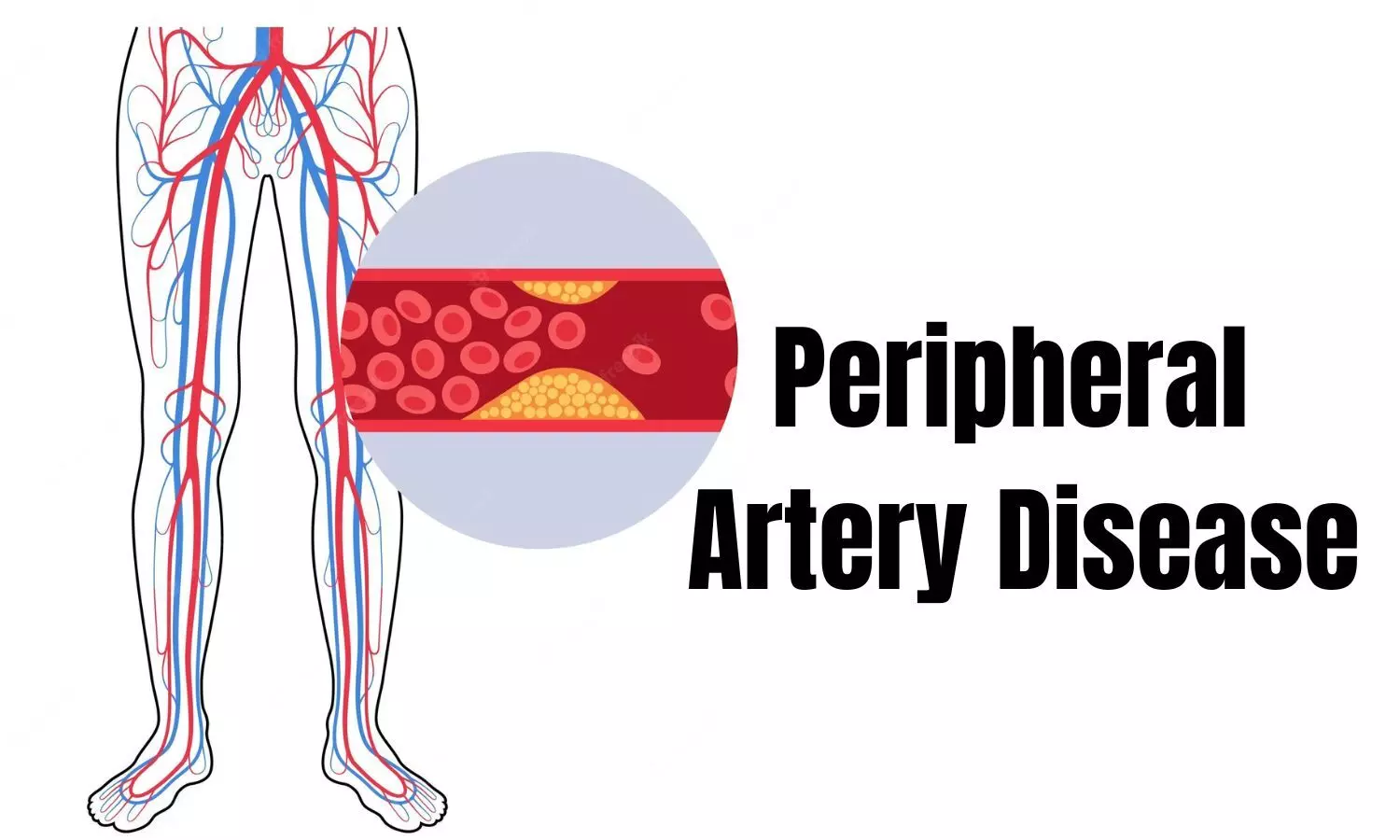


USA: The American College of Cardiology (ACC) has issued updated guidance highlighting the importance of earlier detection and comprehensive management of peripheral artery disease (PAD) in people with diabetes, a population at increased risk of vascular complications. The scientific statement encourages broader screening of high-risk individuals, along with intensive management of cardiovascular risk factors and symptoms.
The recommendations are outlined in the 2025 ACC Scientific Statement on the Management of Peripheral Artery Disease in Adults With Diabetes, published in the Journal of the American College of Cardiology. The statement addresses a clinical gap because PAD may remain undetected in people with diabetes until significant symptoms or complications develop.
While the U.S. Preventive Services Task Force previously concluded that evidence was insufficient to recommend routine PAD screening in asymptomatic adults, subsequent cardiovascular guidance has supported screening in selected high-risk groups. The ACC statement provides more specific recommendations for patients with diabetes.
Key Recommendations:
- Perform annual foot examinations: Adults with diabetes should undergo a comprehensive foot assessment at least once a year, including examination of peripheral pulses to identify possible vascular impairment.
- Screen high-risk asymptomatic patients: Asymptomatic adults with diabetes who have additional PAD risk-enhancing factors should undergo ankle–brachial index (ABI) testing. An ABI of ≤0.9 suggests PAD, while a value >1.4 may indicate noncompressible arteries and should prompt toe–brachial index testing.
- Use exercise ABI when symptoms persist despite a normal ABI: Patients experiencing exertional leg symptoms despite a normal or borderline resting ABI may benefit from an exercise treadmill ABI to identify disease that is not apparent at rest.
- Address tobacco use and cardiovascular risk aggressively: Smoking cessation should be a central component of PAD management. The statement also recommends intensive risk-factor control, including a systolic blood pressure target below 120 mm Hg, when safely achievable, and an LDL cholesterol target below 55 mg/dL.
- Recommend supervised exercise for symptomatic PAD: Patients with symptomatic disease should be referred for supervised exercise therapy, which can improve walking ability, functional capacity, and quality of life.
- Prioritize cardioprotective diabetes therapies: Sodium–glucose cotransporter-2 (SGLT2) inhibitors and glucagon-like peptide-1 (GLP-1) receptor agonists should be prioritized when appropriate because of their broader cardiovascular and kidney benefits. Semaglutide may also reduce certain adverse limb events and improve functional status in symptomatic patients.
- Consider dual-pathway antithrombotic therapy: In symptomatic PAD, rivaroxaban 2.5 mg twice daily combined with low-dose aspirin may be considered to reduce cardiovascular and limb-related events. The potential benefit should be weighed against bleeding risk.
- Use antiplatelet monotherapy when bleeding risk is high: For patients in whom the bleeding risk makes combined rivaroxaban and aspirin unsuitable, antiplatelet monotherapy can be considered.
The statement highlights the importance of identifying PAD before vascular complications become advanced. For clinicians caring for people with diabetes, the recommendations support incorporating vascular assessment into routine care while combining screening with intensive modification of cardiovascular risk factors.
However, the optimal frequency of ABI screening remains an area where additional evidence would be useful. Individualized clinical assessment remains important when determining screening and treatment strategies, particularly when considering antithrombotic therapy in patients with an elevated risk of bleeding.
Reference:
Das SR, et al. Management of peripheral artery disease in adults with diabetes: 2025 ACC scientific statement: A report of the American College of Cardiology. J Am Coll Cardiol 2025 Dec 17; [e-pub]. DOI: 10.1016/j.jacc.2025.11.027.

Next Story