
New ACC/AHA Guideline Calls for Earlier and More Intensive LDL Cholesterol Lowering
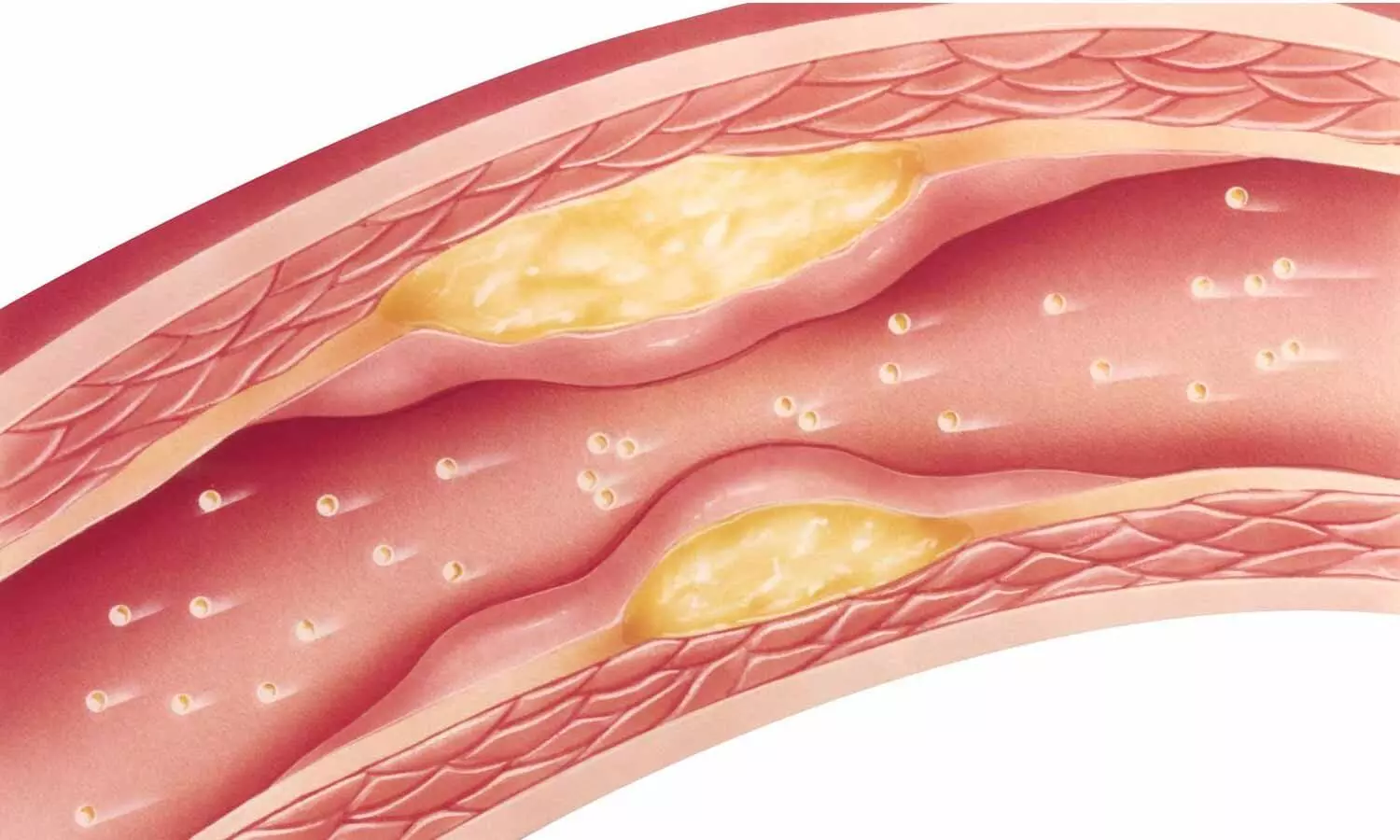


USA: The 2026 multisociety ACC/AHA Guideline on the Management of Dyslipidemia introduces a more proactive, lifelong approach to lipid management and atherosclerotic cardiovascular disease (ASCVD) prevention. Replacing the 2018 blood cholesterol guideline, it emphasizes reducing cumulative exposure to low-density lipoprotein cholesterol (LDL-C), identifying risk earlier, and tailoring treatment according to an individual’s long-term cardiovascular risk.
A major change is the adoption of the PREVENT-ASCVD equations, which estimate both 10-year and 30-year cardiovascular risk and can be applied from age 30. This is intended to identify individuals whose short-term risk may appear low but whose lifetime exposure to atherogenic lipids could place them at substantially greater risk.
The guideline was published online in the Journal of the American College of Cardiology on March 1, 2026.
Key Recommendations:
- ASCVD risk categories: Low risk is defined as <3%, borderline risk as 3% to <5%, intermediate risk as 5% to <10%, and high risk as ≥10% using the PREVENT calculator.
- Statins remain first-line therapy: They are strongly recommended for high-risk individuals. For intermediate-risk patients, treatment should generally follow clinician–patient discussion, while statins may be considered in borderline-risk patients, particularly when risk enhancers are present.
- Earlier treatment: In adults younger than 60 years, an elevated 30-year ASCVD risk (≥10%) may support earlier lipid-lowering treatment even when 10-year risk is low.
- LDL-C targets: The guideline recommends LDL-C <100 mg/dL for borderline- or intermediate-risk primary prevention and <70 mg/dL for high-risk primary prevention. For secondary prevention, targets may be <70 or <55 mg/dL depending on cardiovascular risk.
- Lipoprotein(a) testing: Lp(a) should be measured at least once during adulthood because elevated levels can identify genetically determined cardiovascular risk.
- Additional risk assessment: Selective coronary artery calcium (CAC) scoring can help refine treatment decisions when risk remains uncertain, particularly in borderline- or intermediate-risk adults. ApoB measurement can also help assess residual risk in selected patients.
- Treatment intensification: When LDL-C targets are not achieved with statins, nonstatin therapies such as ezetimibe, PCSK9 inhibitors, inclisiran, or bempedoic acid can be added.
- Lifestyle remains foundational: Heart-healthy eating, regular physical activity, weight management, adequate sleep, stress reduction and tobacco avoidance remain central to ASCVD prevention.
The guideline therefore shifts lipid management from a primarily short-term risk-based strategy toward lifelong reduction of atherogenic lipid exposure. The integration of PREVENT risk estimates, CAC scoring, and biomarkers such as Lp(a) and apoB is intended to support more individualized treatment decisions. However, some recommendations involving CAC-guided treatment and aggressive LDL-C targets rely substantially on observational evidence, highlighting the need for continued randomized trial data.
Overall, the updated guidance reinforces the principle that earlier and sustained LDL-C lowering may reduce cumulative atherosclerotic burden and improve long-term cardiovascular outcomes, potentially reshaping primary prevention strategies
Reference:
Blumenthal RS, et al. 2026 ACC/AHA/AACVPR/ABC/ACPM/ADA/AGS/APhA/ASPC/NLA/PCNA Guideline on the Management of Dyslipidemia: A Report of the American College of Cardiology/American Heart Association Joint Committee on Clinical Practice Guidelines. J Am Coll Cardiol 2026 Mar 13; [e-pub]. DOI: 10.1016/j.jacc.2025.11.016.

Next Story