
10-Year TAVR Outcomes Show Higher Risk With Older-Generation Valve, Reassuring Results With Newer Device: Study
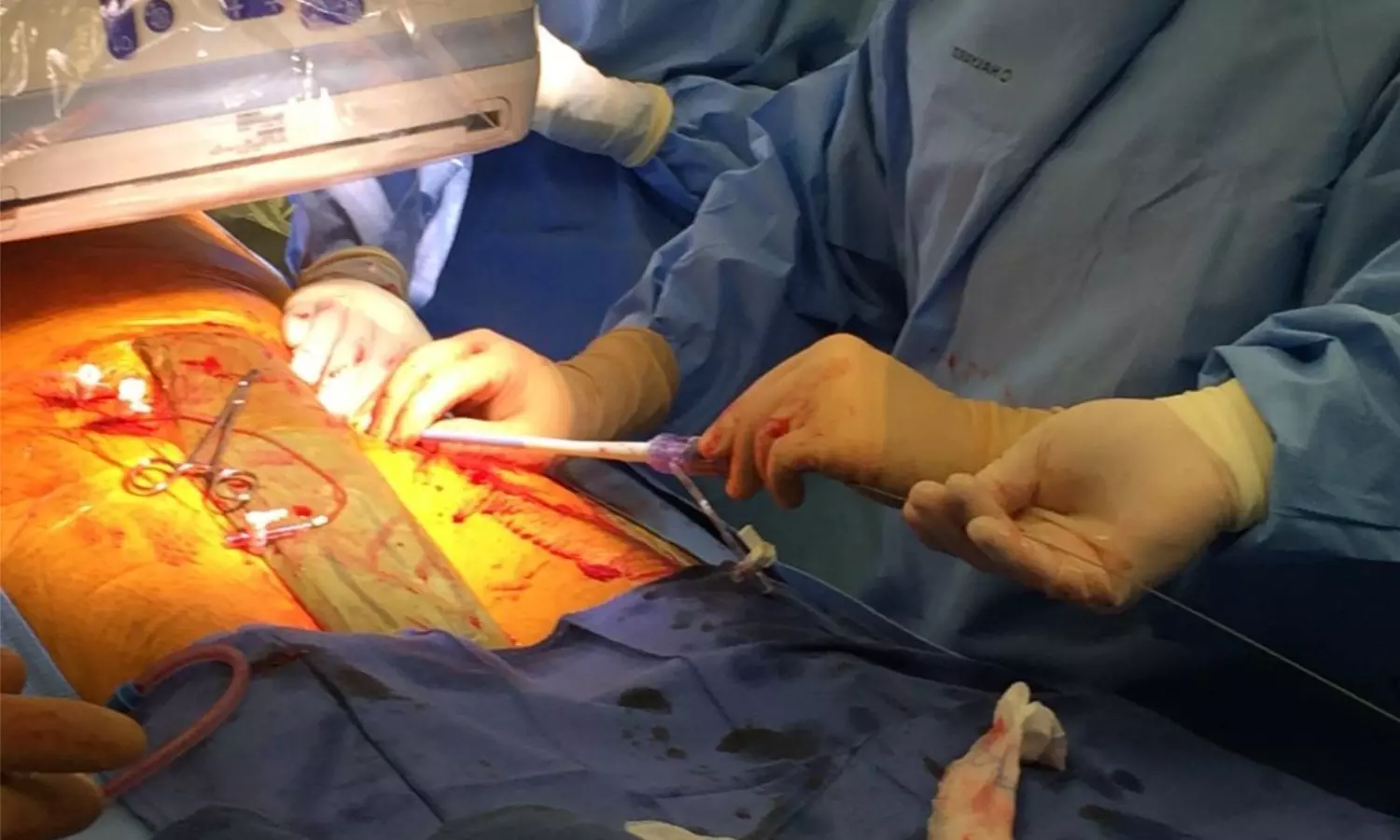


USA: Ten-year follow-up data from the PARTNER 2A trial showed that transcatheter aortic valve replacement (TAVR) with the second-generation Sapien XT valve was associated with higher mortality and a greater need for aortic valve reintervention than surgical aortic valve replacement in intermediate-risk patients.
In contrast, a separate observational analysis of the newer third-generation Sapien 3 valve did not show these unfavorable associations, suggesting that improvements in valve design may have enhanced long-term outcomes.
However, both studies were originally designed for only 5 years of follow-up, requiring patient re-consent and additional measures to determine long-term vital status. Overall, the findings raise concerns about the durability of older-generation TAVR devices while offering reassurance about the long-term performance of newer-generation valves.
The findings were published in the Journal of the American College of Cardiology (JACC) by Vinod H. Thourani and colleagues from the Piedmont Heart Institute.
TAVR has become a widely accepted alternative to surgical aortic valve replacement (SAVR) for patients with severe symptomatic aortic stenosis. While short- and mid-term outcomes have been extensively studied, robust long-term randomized data comparing the durability and effectiveness of TAVR and surgery have remained limited.
To address this gap, investigators analyzed 10-year outcomes from the PARTNER 2A randomized trial. Between 2011 and 2013, 1,910 intermediate-risk patients with severe symptomatic aortic stenosis were enrolled at 57 centers and assigned to either TAVR using the balloon-expandable Sapien XT valve or conventional surgery. The average age of participants was 81.6 years, and nearly half were women.
Among the 1,910 patients who received a valve, 974 underwent TAVR and 936 underwent surgery. Ten-year survival data were available for approximately 90% of patients in both groups after additional follow-up efforts were undertaken.
Key Findings:
- At 10 years, all-cause mortality was higher in patients who underwent TAVR than in those who received surgical aortic valve replacement (86.1% vs. 82.8%).
- Mortality rates were similar between transfemoral TAVR and surgery.
- Patients treated with transthoracic TAVR via transapical or transaortic access had significantly higher mortality than surgical patients.
- Aortic valve reintervention was more frequent after TAVR, with a cumulative 10-year incidence of 6.3% compared with 1.6% after surgery.
- Patients receiving the Sapien XT valve were significantly more likely to require repeat valve procedures than those undergoing surgery.
- Among patients with available echocardiographic follow-up at 10 years, valve gradients were comparable between the TAVR and surgical groups, indicating similar long-term hemodynamic performance.
The authors acknowledged limitations such as incomplete long-term follow-up, the requirement for patient re-consent after five years, and limited echocardiographic and quality-of-life data. Nevertheless, they concluded that the second-generation Sapien XT TAVR was associated with lower long-term survival and higher reintervention rates than surgery, particularly with transthoracic access. The findings highlight the need for ongoing long-term assessment of transcatheter valve technologies.
Reference: https://www.jacc.org/doi/10.1016/j.jacc.2026.03.169

Next Story