Achieving LDL-C Targets Lowers Neoatherosclerosis After DES: JAMA
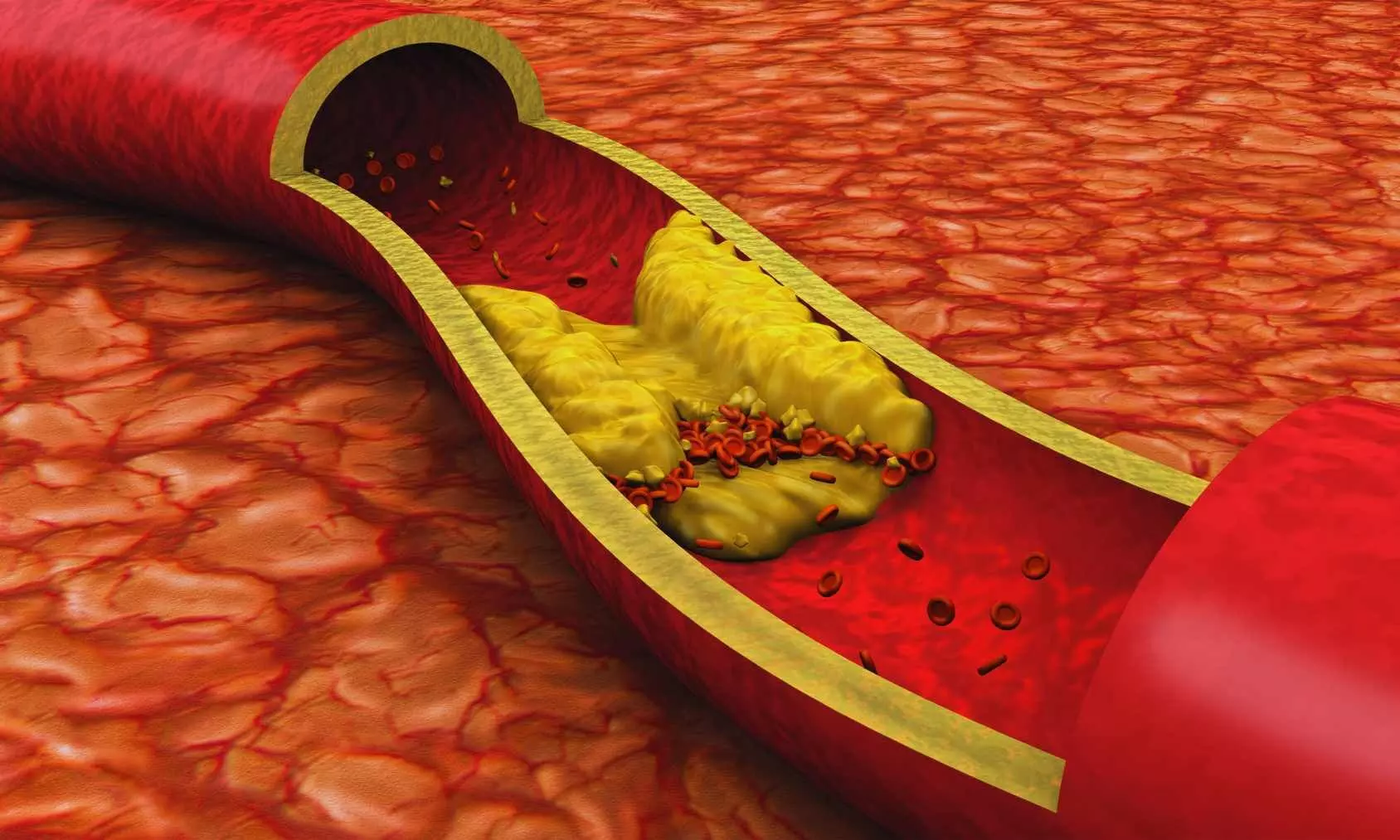


A new study supports strict adherence to guideline-recommended low-density lipoprotein cholesterol (LDL-C) targets following drug-eluting stent (DES) implantation in STEMI patients. Aggressive lowering of LDL-C is believed to delay the development of atherosclerosis in the coronary arteries. The study was published in JAMA Cardiology by Jonas D. and colleagues.
The purpose of this study was to investigate the hypothesis that the achievement of LDL-C target values according to the guidelines after DES implantation was related to a decreased risk of neo-atherosclerosis development.
This study was a post-hoc analysis of the CONNECT randomized clinical trial performed in 7 centers in Switzerland and Japan. The primary study included patients with STEMI undergoing primary percutaneous coronary intervention (PCI) with biodegradable-polymer or durable-polymer everolimus-eluting stents from June 2017 to June 2020. Optical coherence tomography (OCT) was employed to evaluate the incidence of neo-atherosclerosis in these patients 3 years following the initial PCIs. The analysis of the data was done from September 2024 to October 2025.
Of the originalRCT-based cohort, 178 patients actually underwent OCT imaging at 3 years. Mean age was 63.4 years (SD, 10.9 years); 15% of patients were female. All patients received DES in conjunction with primary PCI, and statin therapy was recommended according to country-specific guidelines. Patients were divided based upon achievement of guideline-recommended levels for LDL-C in follow-up.
The main endpoint was the prevalence of neoatherosclerosis identified by OCT at 3 years after DES implantation. Secondary analyses included the relationship between on-treatment levels of LDL-C and the development of neoatherosclerosis by multivariable logistic regression.
Key Findings
• A total of 98 (55%) of 178 patients achieved target levels of LDL-C, whereas 80 (45%) did not.
• The mean on-treatment values of LDL-C were 48 mg/dL (SD, 13) in those achieving targets and 87 mg/dL (SD, 37) in those not achieving targets.
• Neoatherosclerosis developed in 7% of those achieving LDL-C targets compared with 19% of those not achieving targe
• Patients not achieving target levels of LDL-C had a threefold risk of neoatherosclerosis (odds ratio, 3.00; 95% CI, 1.19-8.24; P = 0.02).
• Each 25-mg/dL rise in on-treatment values of LDL-C was independently related to the risk of neoatherosclerosis at 3 years (odds ratio, 1.46; 95% CI, 1.09-2.01; P = 0.01).
The attainment of target levels of LDL-C following DES implantation was independently related to a reduced prevalence of neoatherosclerosis at 3 years. The results support the central role of aggressive LDL-C lowering in a long-term approach to avert late stent thrombosis and optimize coronary outcomes in patients with STEMI.
Reference:
Häner JD, Kakizaki R, Taniwaki M, et al. Low-Density Lipoprotein Cholesterol Levels and Neoatherosclerosis After STEMI: A Secondary Analysis of the CONNECT Randomized Clinical Trial. JAMA Cardiol. Published online December 17, 2025. doi:10.1001/jamacardio.2025.4723