
Can GLP-1 medications improve health in people with Type 2 diabetes and PAD?
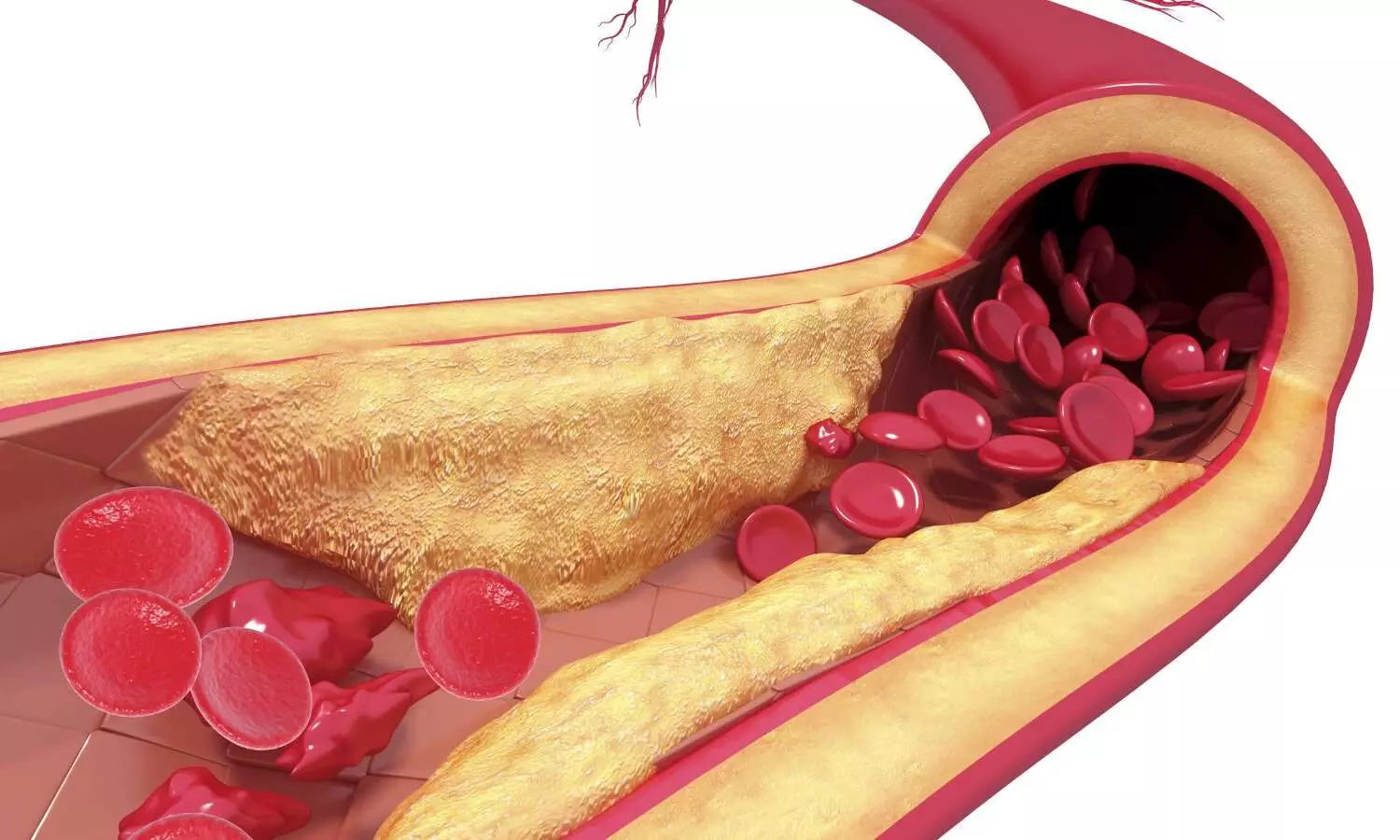


GLP-1 receptor agonists (GLP-1 RA) medications were shown to reduce the number of deaths, amputations and hospitalizations among people with Type 2 diabetes who also had narrowed leg arteries associated with PAD (peripheral artery disease), according to new, independent research published today in the Journal of the American Heart Association, an open-access, peer-reviewed journal of the American Heart Association.
“Because GLP-1 RAs show significant benefits, especially for high-risk patients with severe circulation problems in their legs, clinicians should consider prescribing GLP-1s because peripheral artery disease, also known as PAD, has limited treatment options,” said study author Aravinda Nanjundappa, M.D., an interventional cardiologist in the invasive & interventional cardiology section in the Robert and Suzanne Tomisich Department of Cardiovascular Medicine at the Cleveland Clinic in Cleveland. “Our findings indicate these medications may improve long-term health for people with PAD, in addition to managing blood sugar and weight loss.”
In this study, researchers reviewed the health records for more than 2,000 adults with Type 2 diabetes and PAD to explore the potential benefits of GLP-1 RA medications. They found that the positive impact of GLP-1 RAs on overall health surpassed that of metformin, the most widely prescribed medication for people with Type 2 diabetes, in most categories.
Compared with people taking metformin, among those taking GLP-1 RAs, the analysis found:
- a 26% reduction in all causes of death;
- a 13% reduction in hospitalizations;
- up to a 48% reduction in amputations; and
- about 36% reduction in the need for procedures to open clogged arteries.
- However, the rate of heart attack, stroke and serious kidney events were similar between both groups.
Researchers noted that the link between GLP1-RAs and medical benefits was strongest among participants with severe PAD, including chronic limb-threatening ischemia and those with a body mass index of 30 or higher, which is considered obesity.
“Obesity and PAD, including chronic limb-threatening ischemia, are linked to increased inflammation, poor blood vessel function, insulin resistance, oxidative stress and faster hardening of the arteries,” said study coauthor Akiva Rosenzveig, M.D., a cardiology fellow at the Cleveland Clinic. “These results indicate GLP1-RAs can help reduce inflammation, improve blood vessel function and manage blood sugar levels.”
The study’s strengths include analyzing a large group of people and examining both death rates and issues related to limbs. For the comparison group, participants had to have received at least 5 metformin prescriptions and no GLP-1 RA prescriptions during the study period. This approach strengthened the analysis results, according to Nanjundappa and colleagues.
“GLP1-RA medications may help people with PAD and Type 2 diabetes live longer. They might also help people reduce the risk of amputation and the number and length of hospitalizations. However, more research is needed to confirm these findings and understand the underlying mechanisms – is it due to reduced inflammation? It would also be important to know if GLP-1 RAs could be beneficial for people with PAD who do not have Type 2 diabetes,” said Joshua J. Joseph, M.D., M.P.H., FAHA, an American Heart Association volunteer expert and chair of the Diabetes Committee for the Association’s Council on Lifestyle and Cardiometabolic Health. Joseph, who was not involved in this study, is an associate professor of internal medicine and the endowed professor for research in internal medicine at The Ohio State University Wexner Medical Center in Columbus, Ohio.
According to the American Heart Association’s 2026 Heart Disease and Stroke Statistics, data from 2021 to 2023 indicate an estimated 29.5 million (10.6%) U.S. adults were diagnosed with Type 2 diabetes. PAD affects about 12.5 million people in the U.S. who are 40 years old or older.
Reference:
Akiva Rosenzveig, Leben Tefera, Long‐Term Outcomes of Glucagon‐Like Peptide‐1 Receptor Agonists in Patients With Peripheral Artery Disease and Type 2 Diabetes, Journal of the American Heart Association, https://doi.org/10.1161/JAHA.125.045664
