
CBD Shows Promise in Recurrent Pericarditis, Suggests Study
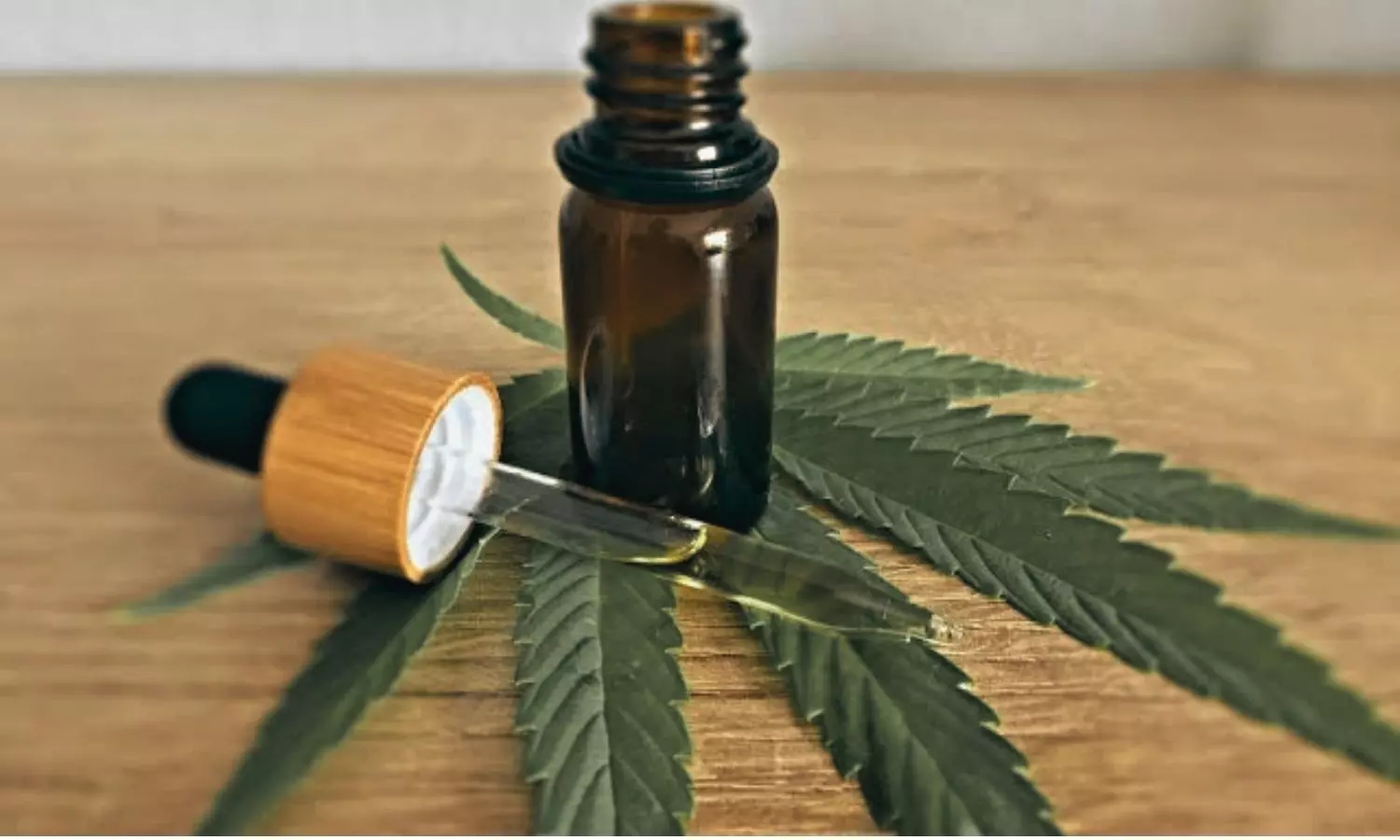


USA: Researchers have found in new research that a pharmaceutically manufactured, THC-free cannabidiol (CBD) product taken orally twice daily was associated with reduced chest pain and lower inflammatory markers in patients with recurrent pericarditis. The findings, published in the Journal of the American Heart Association, suggest CBD may have potential as an adjunctive treatment for recurrent pericarditis.
Recurrent pericarditis can involve repeated episodes of inflammation around the heart and may be driven in part by inappropriate activation of the NLRP3 inflammasome, an inflammatory signaling pathway. Pharmaceutically manufactured cannabidiol has been shown in preclinical research to inhibit NLRP3 inflammasome activation and reduce the development of pericarditis.
The Phase II, open-label, multicenter study was conducted by Sushil Allen Luis, MBBS, PhD, of the Department of Cardiovascular Medicine, Mayo Clinic, Rochester, Minnesota, and colleagues. The trial included 27 adults with symptomatic recurrent pericarditis, with 18 women and a mean age of 53 years. Participants had pericarditis-related chest pain of at least 4 on an 11-point numerical rating scale along with elevated C-reactive protein (CRP) or at least mild pericardial inflammation detected on cardiac magnetic resonance imaging.
At enrollment, patients were receiving stable treatment with nonsteroidal anti-inflammatory drugs, colchicine, corticosteroids, or combinations of these therapies. Cannabidiol was administered for 8 weeks, followed by an optional 18-week extension during which background pericarditis medications were gradually tapered and discontinued.
The trial revealed the following findings:
- Mean maximum pain score decreased from 5.8 at baseline to 2.1 at week 8, a reduction of 3.7 points.
- The median time to achieve a pain score of ≤2 was 5 days.
- Among the 10 patients with elevated CRP at baseline, 8 (80%) had normalized CRP levels by week 8.
- During the 18-week extension period, 24 patients continued cannabidiol while background pericarditis medications were tapered and discontinued.
- Seventeen of 24 patients (71%) remained free of recurrent pericarditis throughout the extension period.
- The annualized rate of pericarditis events declined from 5.8 events per year before the study to 0.9 events per year during treatment.
- Cannabidiol was generally well tolerated, with diarrhea and rash being the most common adverse effects and generally self-limited.
- One patient experienced a serious adverse event that led to discontinuation of cannabidiol.
The researchers noted that the findings should be interpreted cautiously because the study was small, open-label, and lacked a comparator group. Differences in baseline treatments and disease duration, limited demographic diversity, the relatively short extension period, and the absence of mandatory cardiac imaging and additional inflammatory biomarkers also restricted interpretation.
Larger Phase III randomized controlled trials with placebo comparison will be needed to establish the efficacy, safety, and appropriate treatment position of pharmaceutically manufactured cannabidiol in recurrent pericarditis.
Reference: https://doi.org/10.1161/JAHA.125.047605

Next Story