Digitally Enabled Strategies Modestly Improve Lipid Management in ASCVD: Study
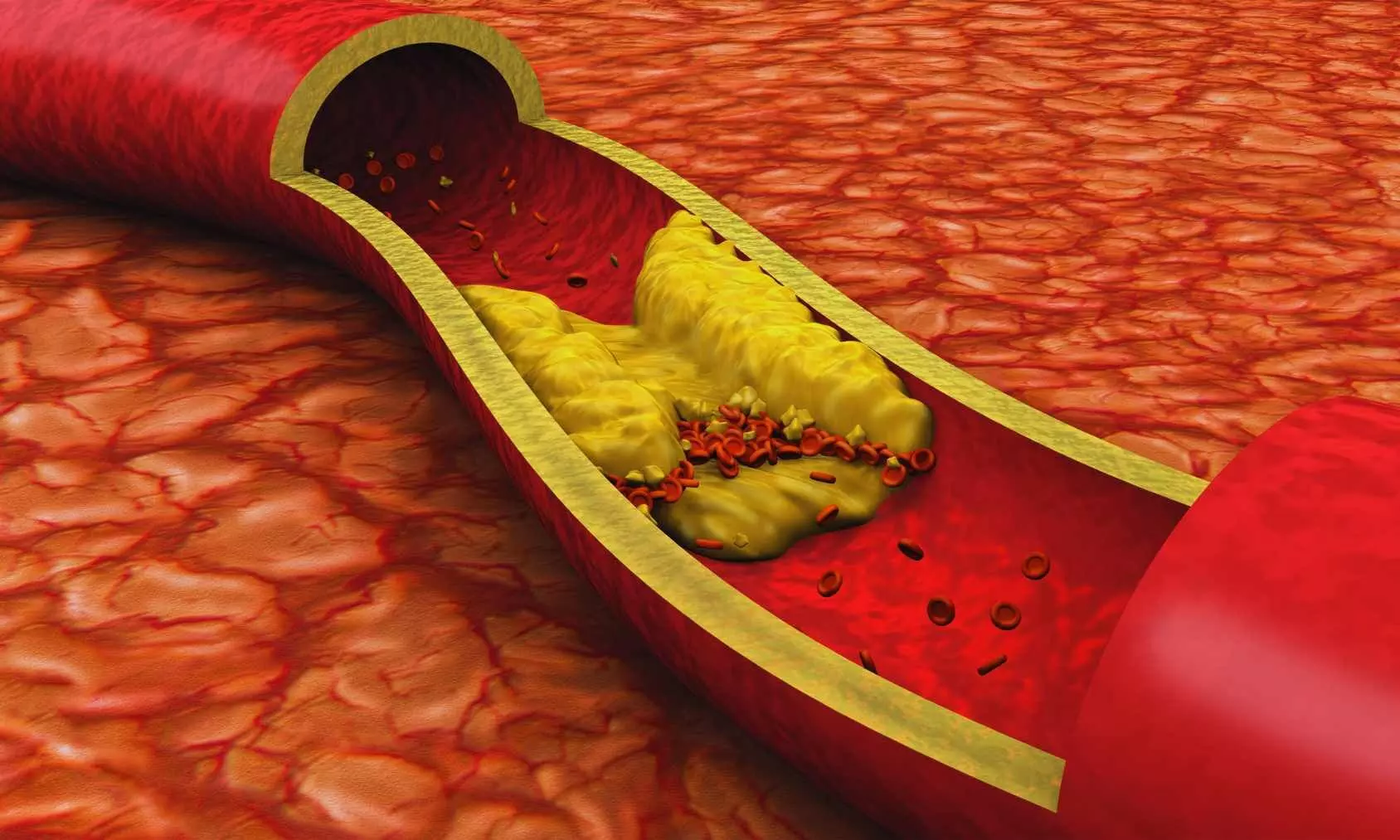


A new study published in the Journal of American Medical Association showed that patients with atherosclerotic cardiovascular disease (ASCVD) had a slight reduction in LDL-C levels and an increase in treatment intensification while using a digitally enabled, multidimensional quality-improvement strategy.
It is difficult to close the treatment gap for low-density lipoprotein cholesterol (LDL-C) in patients with established atherosclerotic cardiovascular disease. Patient care has not been successfully enhanced by several quality improvement (QI) initiatives. Thus, this study assessed how a multimodal, digitally enabled QI intervention affected the regulation of LDL-C levels in ASCVD patients.
A digitally enabled QI intervention or standard practice (control) was randomly assigned to 28 clusters (public or private outpatient clinics) in Brazil. Between November 2023 and December 2024, adult patients (≥18 years old) with established ASCVD were recruited, and they were monitored for six months.
To support lipid monitoring, treatment intensification, and adherence, the intervention included an organized, digitally enabled QI strategy that integrated previsit screening, electronic clinical decision support algorithms, audit and feedback mechanisms, and targeted clinician and patient engagement tools integrated into regular workflows.
The mean LDL-C level at six months was the main result. Relative LDL-C decrease, reaching LDL-C objectives (<50 mg/dL and ≥50% reduction; multiply by 0.0259 to translate to millimoles per liter), and the prescription of lipid-lowering medications were secondary outcomes. The intention-to-treat principle was followed in all analyses, and a generalized estimating equations model was used to account for the cluster design.
At six months, the mean (SD) LDL-C concentration of 1465 recruited patients was 76.3 (37.5) mg/dL in the intervention group and 85.6 (37.1) mg/dL in the control group.
6.62 mg/dL was the corrected mean difference.
Patients in the intervention group had a higher chance of achieving an LDL-C concentration of less than 50 mg/dL and a decrease of 50% or more.
In the intervention group, intensive and combination lipid-lowering treatment prescriptions were much more common.
There were no discernible variations in the main cardiovascular events.
Overall, in this clinical trial, a digitally enabled, multidimensional strategy resulted in a moderate LDL-C decrease and enhanced treatment intensification in ASCVD patients.
Source:
Machline-Carrion, M. J., Santo, K., Girotto, A. N., Raupp, P., Pereira, P. M., Monfardini, F., Nakagawa Santos, R. H., Pereira, M., Dos Santos Sampaio, B., Moia, D., de Oliveira Farias, G., Dall’Orto, F. T. C., Pavanello, R., Polanczyk, C. A., Silvestre, O. M., Assad, M. H. V., de Oliveira Paiva, M. S. M., Dos Santos, M. O. N., Okoshi, M. P., … SAPPHIRE-LDL Investigators. (2026). Digitally enabled quality improvement intervention and LDL-C control in atherosclerotic cardiovascular disease: The SAPPHIRE-LDL cluster randomized clinical trial: The SAPPHIRE-LDL cluster randomized clinical trial. JAMA Cardiology. https://doi.org/10.1001/jamacardio.2026.2510