
Empagliflozin May Relieve Angina Symptoms and Improve Endothelial Function in ANOCA: Study
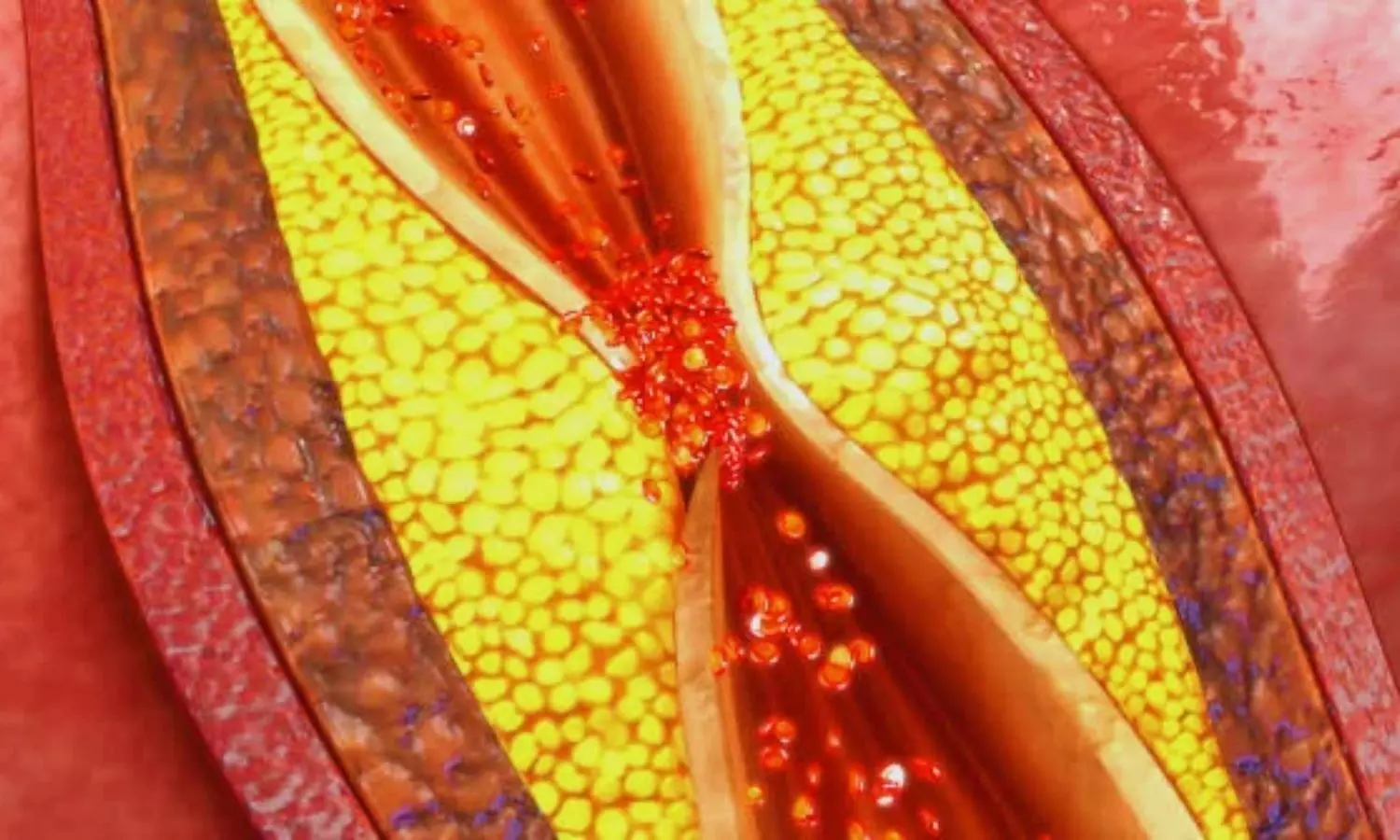


USA: An open-label pilot published in Arteriosclerosis, Thrombosis, and Vascular Biology found that empagliflozin (Jardiance), an SGLT2 inhibitor, may provide clinically meaningful symptom relief in patients with angina with nonobstructive coronary arteries (ANOCA) associated with microvascular and vasomotor dysfunction. The treatment also appeared to reverse several measures of endothelial dysfunction. These preliminary findings warrant confirmation in larger, controlled clinical trials.
The study was conducted by Danielle N. Tapp and colleagues at The Carl and Edyth Lindner Center for Research and Education, The Christ Hospital, Cincinnati, Ohio.
ANOCA refers to angina or chest pain occurring without significant obstruction in the major coronary arteries. In many patients, symptoms are linked to coronary microvascular dysfunction or abnormal blood vessel constriction. Endothelial dysfunction, which affects the ability of blood vessels to regulate their function, may contribute to these abnormalities. However, treatment options specifically targeting endothelial dysfunction in these patients remain limited.
To investigate whether sodium-glucose cotransporter-2 inhibitors could help address this problem, researchers conducted an open-label pilot trial involving 11 patients with ANOCA and coronary microvascular or vasomotor dysfunction confirmed through invasive coronary function testing. Participants received empagliflozin 10 mg daily for 90 days.
The researchers assessed angina symptoms using the Seattle Angina Questionnaire and measured circulating inflammatory and oxidative stress markers, along with endothelial microvesicles (eEVs), which can provide insights into vascular injury and repair. Blood samples collected before treatment and at 45 and 90 days were also used in laboratory experiments involving human coronary artery endothelial cells. Samples from six patients with ANOCA without coronary microvascular dysfunction served as controls.
The analysis revealed the following findings:
- Improved angina symptoms: The Seattle Angina Questionnaire summary score increased by 14 points after 90 days of treatment (95% confidence interval, 4.2–23.9; p less than 0.001), indicating a meaningful improvement in angina-related health status.
- Reduced inflammation and oxidative stress: Empagliflozin was associated with lower levels of inflammatory cytokines, oxidative stress biomarkers, and inflammatory eEVs. Anti-inflammatory cytokines, antioxidants, and repair-associated eEVs increased during treatment.
- Improved endothelial function: Laboratory experiments showed reductions in endothelial cell death, eEV release, vascular cell adhesion molecule-1 (VCAM-1) expression, and mitochondrial reactive oxygen species following treatment.
- Effects reversed after discontinuation: In a subset of five participants, several improvements in biomarkers and endothelial cell function diminished after empagliflozin was stopped.
The researchers noted that the findings suggest empagliflozin may influence vascular health through mechanisms extending beyond its established glucose-lowering effects. However, the study was small, open-label, and lacked a randomised control group, limiting the strength of the conclusions. The laboratory findings also require further validation in clinical settings.
The authors concluded that empagliflozin was associated with improved angina symptoms and favourable changes in multiple indicators of endothelial dysfunction in patients with ANOCA and coronary microvascular dysfunction. Larger, controlled clinical trials are needed to confirm these findings and determine whether the treatment could become a therapeutic option for this patient population.
Reference: https://doi.org/10.1161/ATVBAHA.126.324735

Next Story