
Energy drinks, stimulant products linked to cardiac arrest, heart attack in young adults,finds study
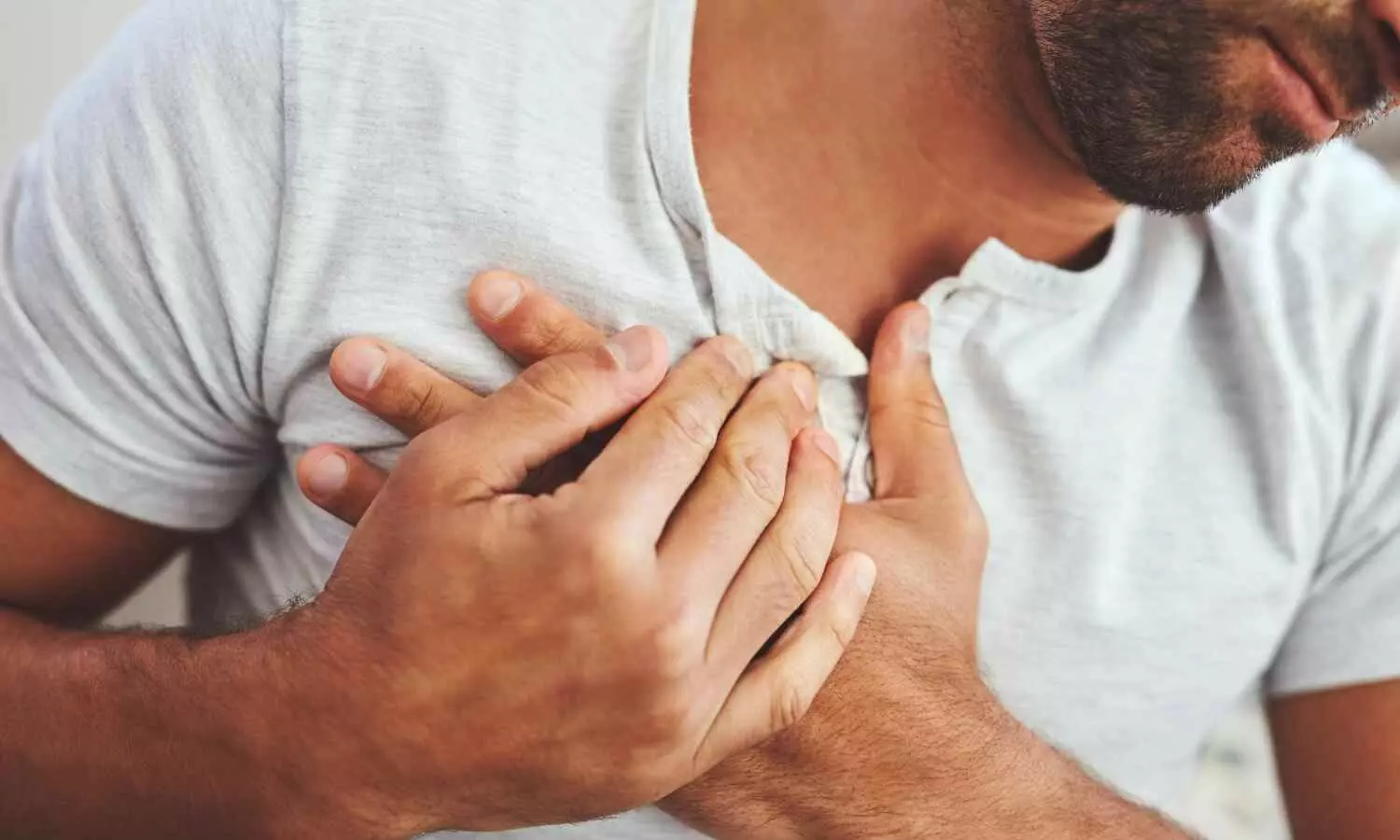


Caffeinated energy drinks and stimulant supplements appeared disproportionately more often in FDA reports of serious cardiovascular events, including cardiac arrest and heart attacks, especially among adults ages 18 to 34, according to new, independent, preliminary research to be presented at the American Heart Association’s Scientific Sessions 2026. The meeting, Nov. 6-9, in Chicago, is a premier global exchange of the latest scientific advancements, research and evidence-based clinical practice updates in cardiovascular science.
Sales of caffeinated energy drinks have more than doubled over the past decade, reaching over $20 billion in 2024. While research on energy drinks and other stimulant-containing supplements is limited, available evidence indicates that high doses of caffeine are associated with cardiovascular harm. Healthcare professionals have also described cases of arrhythmias (irregular heart rhythms) or sudden cardiac death in people who had consumed these products, many of them young adults with no known heart disease risks.
According to a 2026 American Heart Association Scientific Statement on caffeine and cardiovascular disease, consuming up to 400 mg of caffeine per day (the equivalent of up to 5, 8-ounce cups of regular black caffeinated coffee) is generally safe for most adults. Compared with brewed coffee, some energy drinks contain as much as 3 times more caffeine per fluid ounce, and some pre-workout supplements contain more than 12 times as much caffeine per fluid ounce. Since the U.S. Federal Drug Administration (FDA) regulates energy drinks and stimulant supplements as foods or dietary supplements rather than as medications, these products do not go through the same premarket safety testing required for medications.
“These products are marketed as everyday pick-me-ups and sold next to soda and bottled water, so most people assume they carry no real risk,” said study author Sai Samayamanthula, a fourth-year medical student at the University of Virginia School of Medicine in Charlottesville, Virginia. “For many healthy people, if these products are consumed occasionally, the risk is probably small. However, individuals who consume energy drinks or other stimulant-containing supplements regularly can quickly exceed the recommended daily limit for caffeine, so it’s important for people to know that there may be a risk of cardiovascular harm with these products.”
Researchers analyzed data from a government safety database to compare reports of adverse reactions related to products containing caffeine and other stimulants compared to FDA-regulated foods and dietary supplements such as soft drinks, meal replacement shakes, protein bars, smoothies and vitamins. The data included reports from people ages 13 or older between 2017 and 2025.
What are the key findings of the study’s analysis?
- Cardiac arrest was reported about 11 times more often in connection with caffeine- and stimulant-containing products vs. products without these ingredients.
- Reports involving energy drinks and supplements were about 4.5 times more likely to include heart attacks and four times more likely to include ventricular arrhythmias (abnormal rhythm in the heart’s lower pumping chambers) or heart palpitations.
- Similar patterns existed between consumption of caffeinated energy drinks and stimulant supplements and reports of other heart conditions, including elevated heart rate (nearly 3 times more often), chest pain (2.71 times more often) and fainting (about 2 times more often).
- About 45% of reports linking caffeine- and stimulant-containing products to cardiovascular events involved adults ages 18 to 34.
- Similar patterns were observed in reports involving both men and women.
“Our findings support the case for more systematic safety monitoring of caffeine- and stimulant-containing products. In addition, healthcare professionals should remember to ask their younger patients who have palpitations, chest pain or fainting spells if they recently or regularly consume these products,” Samayamanthula said.
Researchers don’t fully understand why the association between caffeine and stimulant products with heart events was so frequent among young adults. The pattern of reports among young adults may reflect how often they consume caffeine- and stimulant-containing products; when or how people tend to consume them (for example, consuming them before intense exercise or mixing them with alcohol or drugs); and/or if they may have an undiagnosed heart condition.
“This study raises concerns that products with very high amounts of caffeine may be harmful to the cardiovascular system,” said Gregory M. Marcus, M.D., M.A.S., FAHA, chair of the 2026 American Heart Association scientific statement on caffeine and cardiovascular disease. “Although there are biological reasons why that connection could be possible, the study does not prove that caffeine products cause these events, because other factors may have influenced the results found in this analysis. More research is needed to understand whether these stimulant products are truly responsible for the reported heart-related events.” Marcus, who was not involved in this study, is also a professor of medicine at the University of California, San Francisco School of Medicine and the associate chief of the Cardiology for Research program at the University of California, San Francisco Health.
Reference:
Energy drinks, stimulant products linked to cardiac arrest, heart attack in young adults, American Heart Association, Meeting: American Heart Association Scientific Sessions 2026
