
Enlicitide, an oral PCSK9 inhibitor, significantly lowers LDL cholesterol levels, claims research
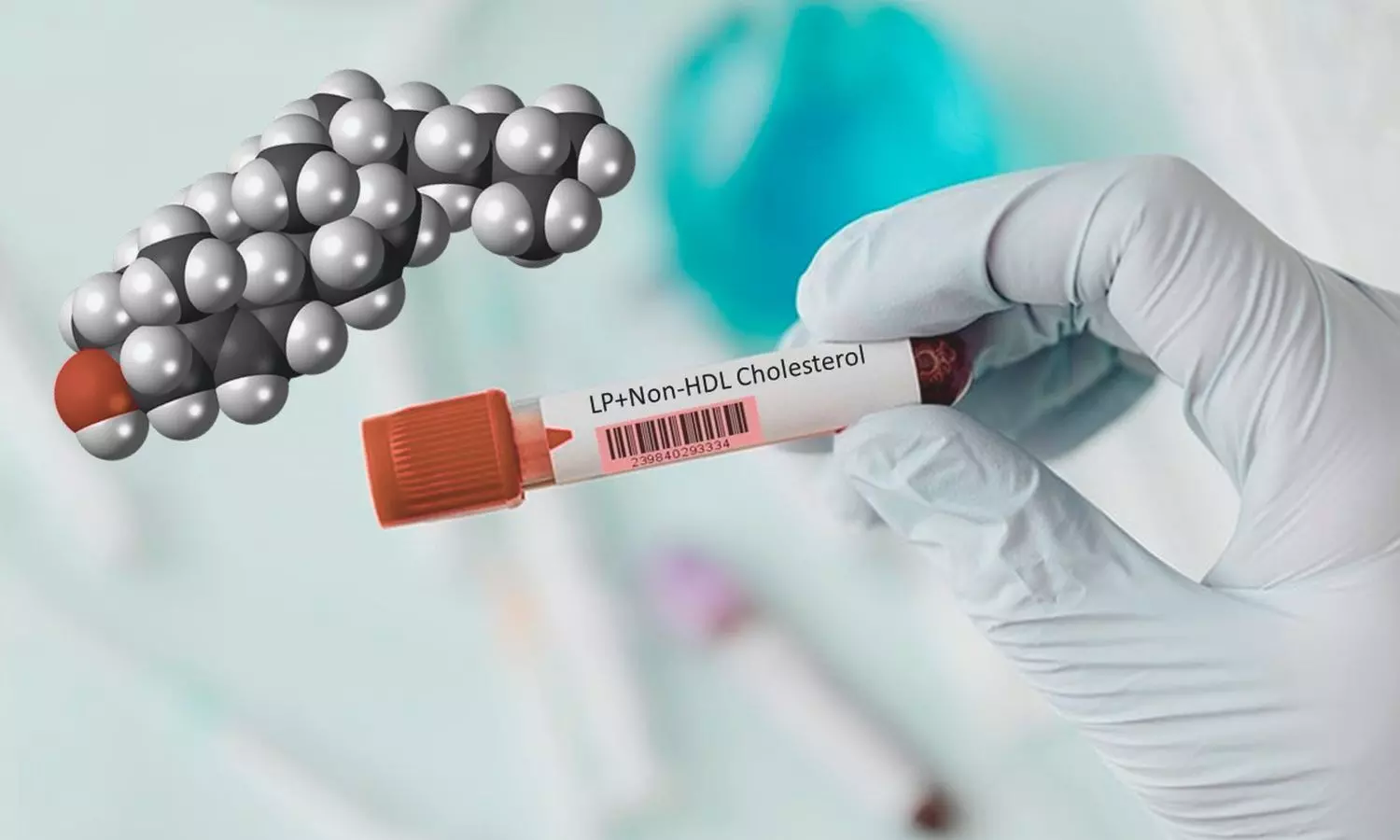


A new study published in The New England Journal of Medicine showed that at 24 weeks, therapy with the oral PCSK9 inhibitor enlicitide resulted in significantly lower LDL cholesterol levels than placebo among individuals who had a history of or were at risk for their first atherosclerotic cardiovascular disease event.
In a phase 2 experiment, the oral proprotein convertase subtilisin–kexin type 9 (PCSK9) inhibitor enlicitide decanoate was found to lower LDL cholesterol levels. Thus, this study evaluated the long-term effects of enlicitide decanoate on LDL.
Individuals with a history of a major atherosclerotic cardiovascular disease event with an LDL cholesterol level of 55 mg per deciliter or higher, as well as those at risk for a first atherosclerotic cardiovascular disease event with an LDL cholesterol level of 70 mg per deciliter or higher, were enrolled in this study.
For 52 weeks, participants were randomized in a 2:1 ratio to receive either a placebo or enlicitide at a daily dosage of 20 mg. The mean percent decrease in LDL cholesterol from baseline to week 24 was the main outcome. The mean percent change in LDL cholesterol at week 52, the mean percent change in non-HDL cholesterol and apolipoprotein B levels, and the percent change in lipoprotein (a) level at week 24 were important secondary end goals.
1935 of the 2909 individuals in the intention-to-treat group received enlicitide, while 969 received a placebo (5 did not get either). The participants' average age was 63 years, and 39.3% of them were female. At baseline, the mean (±SD) LDL cholesterol level was 96.1±38.9 mg/dL.
At week 24, the mean percent change in LDL cholesterol levels was −57.1% (95% CI, −61.8 to −52.5) for enlicitide and 3.0% (95% CI, 0.9 to 5.1) for placebo. This indicates an adjusted between-group difference of −55.8 percentage points (95% CI, −60.9 to −50.7; P<0.001).
Enlicitide considerably outperformed the placebo in terms of the mean percent change in LDL cholesterol levels at week 52, the mean percent changes in non-HDL cholesterol and apolipoprotein B levels at week 24, and the mean percent change in lipoprotein(a) levels at week 24 (P<0.001 for all comparisons).
There was no apparent difference in the frequency of adverse events between the groups. Overall, the oral PCSK9 inhibitor enlicitide decreased LDL cholesterol by 57% at 24 weeks in a placebo-controlled experiment. It also decreased lipoprotein, apolipoprotein B, and non-HDL cholesterol (a).
Reference:
Navar, A. M., Mikhailova, E., Catapano, A. L., Banka, P., Blom, D. J., Cadena, A., Kourpanidis, S., Lepor, N. E., Tsukamoto, K., Mendizabal, G., Nunez, J., Zhang, W., Zhu, P., Zhuo, M., & Ballantyne, C. M. (2026). A placebo-controlled trial of the oral PCSK9 inhibitor enlicitide. The New England Journal of Medicine, 394(6), 529–539. https://doi.org/10.1056/nejmoa2511002

