
EuroPCR 2026 – PCI Before TAVI Provides Limited Cardiovascular Benefit in CAD With Aortic Stenosis
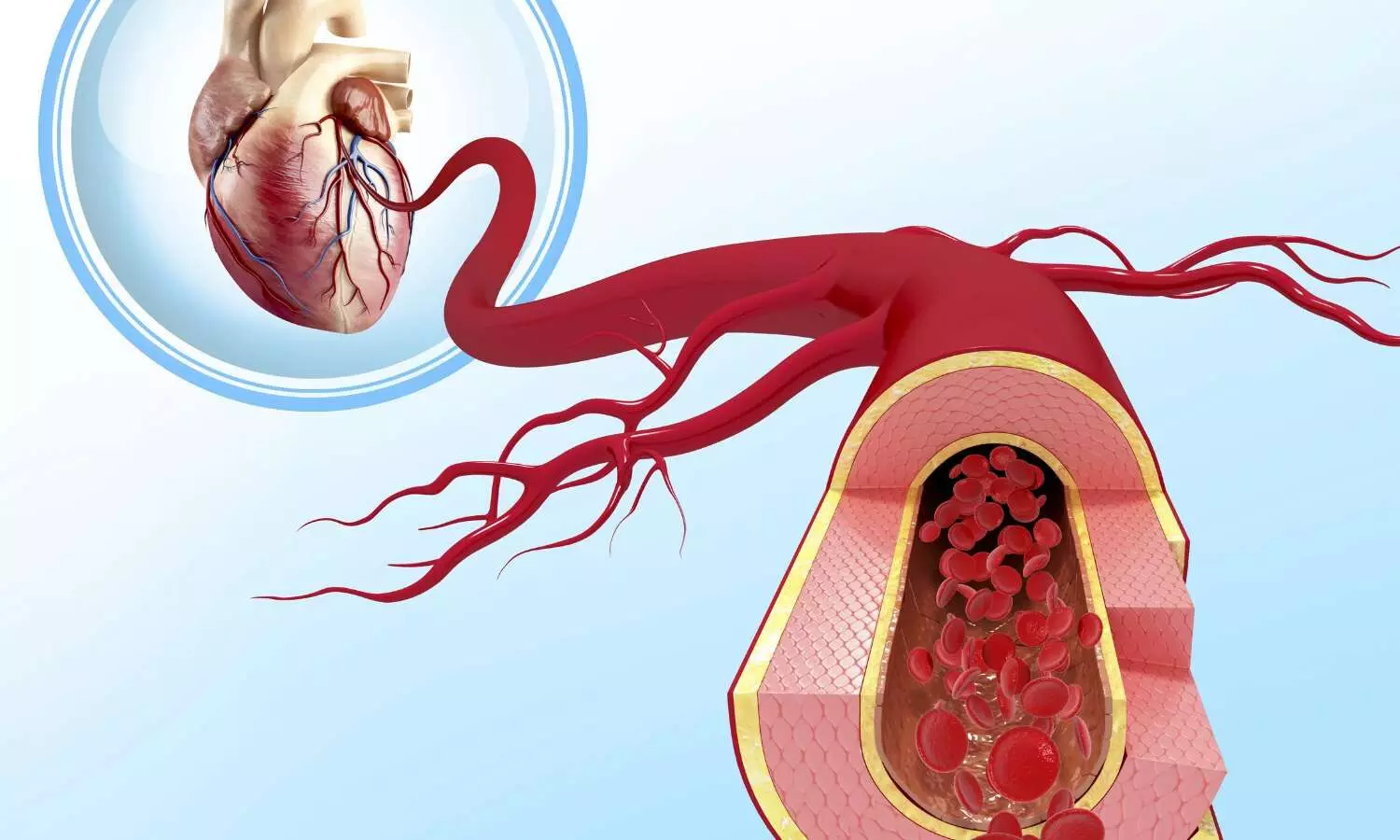


A patient-level meta-analysis presented at EuroPCR 2026 found that, in patients with coronary artery disease and aortic stenosis, performing percutaneous coronary intervention (PCI) before transcatheter aortic valve implantation (TAVI) resulted in only a small reduction in major adverse cardiovascular events.
Coronary artery disease (CAD) is frequently encountered in patients with severe aortic stenosis (AS) referred for transcatheter aortic valve implantation (TAVI). Despite this, the optimal role of revascularisation with percutaneous coronary intervention (PCI) in patients undergoing TAVI is not well established. Further uncertainty relates to the most appropriate strategy for coronary lesion assessment: angiography or physiology guidance based on fractional flow reserve (FFR).
Contemporary randomised controlled trials with distinct designs have investigated the role of PCI compared with optimal medical treatment (OMT) in patients with CAD undergoing TAVI. The NOTION-3 and FAITAVI trials suggested the potential benefits of physiology-guided PCI, while neutral results were observed in ACTIVATION and the TCW trial included a surgical comparator arm.
An individual participant data meta-analysis of these trials – the ARTICA (Advanced Research on TAVI and Ischemia-guided Coronary Assessment) meta-analysis – was presented by Roberto Scarsini.
The primary endpoint was major adverse cardiac events (MACE), which included all-cause death, myocardial infarction, any coronary revascularisation and stroke at 1 year. The co-primary endpoint was net adverse clinical events (NACE), defined as MACE plus major bleeding at 1 year.
Results
- The meta-analysis included data from 1,050 patients: 439 underwent FFR-guided PCI, 255 underwent angiography-guided PCI and 356 patients received OMT alone.
- Overall, PCI was associated with a 30% lower risk of MACE at 1 year compared with OMT (hazard ratio [HR] 0.70; 95% confidence interval [CI] 0.49–0.99), which was driven by a lower risk of any revascularisation (HR 0.34; 95% CI 0.14–0.80).
- The risk of NACE was similar with PCI and OMT.
- FFR-guided PCI demonstrated a lower risk of MACE (HR 0.58; 95% CI 0.37–0.91) and NACE (HR 0.68; 95% CI 0.51–0.90) compared with OMT.
- No differences in MACE or NACE were observed between angiography-guided PCI and OMT.
- Major bleeding occurred in 8.2% of patients with FFR-guided PCI, 13.7% with angiography-guided PCI and 12.6% with OMT.
Key learnings
- Routine PCI provides limited advantage compared with OMT. Physiology-guided PCI may improve the outcomes of patients with CAD undergoing TAVI.
Conclusions and PCR recommendations
This meta-analysis provides the most comprehensive patient-level analysis to date concerning the role of coronary revascularisation in patients with AS and CAD undergoing TAVI. The findings may indicate a benefit of a strategy of selective, physiology-informed PCI in patients with severe aortic stenosis and CAD undergoing TAVI.
Reference:
EuroPCR 2026 – Coronary revascularisation in patients undergoing TAVI, PCR, Meeting: EuroPCR 2026.
