Medical Dialogues
  • Dermatology
Login Register
This site is intended for healthcare professionals only
Login Register
  • MD Brand Connect
  • Webinars
  • Vaccine Hub
  • MDTV
    • Breaking News
    • Medical News Today
    • Health News Today
    • Latest
    • Journal Club
    • Medico Legal Update
    • Latest Webinars
    • MD Shorts
    • Health Dialogues
  • Fact Check
  • Health Dialogues
Medical Dialogues
  • Medical News & Guidelines
      • Anesthesiology
      • Cardiology and CTVS
      • Critical Care
      • Dentistry
      • Dermatology
      • Diabetes and Endocrinology
      • ENT
      • Gastroenterology
      • Medicine
      • Nephrology
      • Neurology
      • Obstretics-Gynaecology
      • Oncology
      • Ophthalmology
      • Orthopaedics
      • Pediatrics-Neonatology
      • Psychiatry
      • Pulmonology
      • Radiology
      • Surgery
      • Urology
      • Laboratory Medicine
      • Diet
      • Nursing
      • Paramedical
      • Physiotherapy
  • Health news
      • Doctor News
      • Government Policies
      • Hospital & Diagnostics
      • International Health News
      • Medical Organization News
      • Medico Legal News
      • NBE News
      • NMC News
  • Fact Check
      • Bone Health Fact Check
      • Brain Health Fact Check
      • Cancer Related Fact Check
      • Child Care Fact Check
      • Dental and oral health fact check
      • Diabetes and metabolic health fact check
      • Diet and Nutrition Fact Check
      • Eye and ENT Care Fact Check
      • Fitness fact check
      • Gut health fact check
      • Heart health fact check
      • Kidney health fact check
      • Medical education fact check
      • Men's health fact check
      • Respiratory fact check
      • Skin and hair care fact check
      • Vaccine and Immunization fact check
      • Women's health fact check
  • AYUSH
    • Ayurveda
    • Homeopathy
    • Siddha
    • Unani
    • Yoga
  • State News
      • Andaman and Nicobar Islands
      • Andhra Pradesh
      • Arunachal Pradesh
      • Assam
      • Bihar
      • Chandigarh
      • Chattisgarh
      • Dadra and Nagar Haveli
      • Daman and Diu
      • Delhi
      • Goa
      • Gujarat
      • Haryana
      • Himachal Pradesh
      • Jammu & Kashmir
      • Jharkhand
      • Karnataka
      • Kerala
      • Ladakh
      • Lakshadweep
      • Madhya Pradesh
      • Maharashtra
      • Manipur
      • Meghalaya
      • Mizoram
      • Nagaland
      • Odisha
      • Puducherry
      • Punjab
      • Rajasthan
      • Sikkim
      • Tamil Nadu
      • Telangana
      • Tripura
      • Uttar Pradesh
      • Uttrakhand
      • West Bengal
  • Medical Education
      • Ayush Education News
      • Dentistry Education News
      • Medical Admission News
      • Medical Colleges News
      • Medical Courses News
      • Medical Universities News
      • Nursing education News
      • Paramedical Education News
      • Study Abroad
  • Industry
      • Health Investment News
      • Health Startup News
      • Medical Devices News
      • Pharma News
      • Pharmacy Education News
      • AI and healthcare
      • Industry Perspective
  • MDTV
      • Health Dialogues MDTV
      • Health News today MDTV
      • Latest Videos MDTV
      • Latest Webinars MDTV
      • MD shorts MDTV
      • Medical News Today MDTV
      • Medico Legal Update MDTV
      • Top Videos MDTV
      • Health Perspectives MDTV
      • Journal Club MDTV
      • Medical Dialogues Show
This site is intended for healthcare professionals only
LoginRegister
Medical Dialogues
LoginRegister
  • Home
  • Medical news & Guidelines
    • Anesthesiology
    • Cardiology and CTVS
    • Critical Care
    • Dentistry
    • Dermatology
    • Diabetes and Endocrinology
    • ENT
    • Gastroenterology
    • Medicine
    • Nephrology
    • Neurology
    • Obstretics-Gynaecology
    • Oncology
    • Ophthalmology
    • Orthopaedics
    • Pediatrics-Neonatology
    • Psychiatry
    • Pulmonology
    • Radiology
    • Surgery
    • Urology
    • Laboratory Medicine
    • Diet
    • Nursing
    • Paramedical
    • Physiotherapy
  • Health news
    • Doctor News
    • Government Policies
    • Hospital & Diagnostics
    • International Health News
    • Medical Organization News
    • Medico Legal News
    • NBE News
    • NMC News
  • Fact Check
    • Bone Health Fact Check
    • Brain Health Fact Check
    • Cancer Related Fact Check
    • Child Care Fact Check
    • Dental and oral health fact check
    • Diabetes and metabolic health fact check
    • Diet and Nutrition Fact Check
    • Eye and ENT Care Fact Check
    • Fitness fact check
    • Gut health fact check
    • Heart health fact check
    • Kidney health fact check
    • Medical education fact check
    • Men's health fact check
    • Respiratory fact check
    • Skin and hair care fact check
    • Vaccine and Immunization fact check
    • Women's health fact check
  • AYUSH
    • Ayurveda
      • Ayurveda Giuidelines
      • Ayurveda News
      • Top Ayurveda News
    • Homeopathy
      • Homeopathy Guidelines
      • Homeopathy News
    • Siddha
      • Siddha Guidelines
      • Siddha News
    • Unani
      • Unani Guidelines
      • Unani News
    • Yoga
      • Yoga Guidelines
      • Yoga News
  • State News
    • Andaman and Nicobar Islands
    • Andhra Pradesh
    • Arunachal Pradesh
    • Assam
    • Bihar
    • Chandigarh
    • Chattisgarh
    • Dadra and Nagar Haveli
    • Daman and Diu
    • Delhi
    • Goa
    • Gujarat
    • Haryana
    • Himachal Pradesh
    • Jammu & Kashmir
    • Jharkhand
    • Karnataka
    • Kerala
    • Ladakh
    • Lakshadweep
    • Madhya Pradesh
    • Maharashtra
    • Manipur
    • Meghalaya
    • Mizoram
    • Nagaland
    • Odisha
    • Puducherry
    • Punjab
    • Rajasthan
    • Sikkim
    • Tamil Nadu
    • Telangana
    • Tripura
    • Uttar Pradesh
    • Uttrakhand
    • West Bengal
  • Medical Education
    • Ayush Education News
    • Dentistry Education News
    • Medical Admission News
    • Medical Colleges News
    • Medical Courses News
    • Medical Universities News
    • Nursing education News
    • Paramedical Education News
    • Study Abroad
  • Industry
    • Health Investment News
    • Health Startup News
    • Medical Devices News
    • Pharma News
      • CDSCO (Central Drugs Standard Control Organisation) News
    • Pharmacy Education News
    • AI and healthcare
    • Industry Perspective
  • Home
  • Cardiology-CTVS
  • Cardiology & CTVS News
  • Exercise doesn't just...

Exercise doesn't just strengthen your heart. It rewires it, suggests study
Written By : Dr. Kamal Kant Kohli Published On 2026-10-29T21:30:36+05:30  |  Updated On 29 Oct 2026 9:30 PM IST
Exercise doesnt just strengthen your heart. It rewires it, suggests study
  • facebook
  • twitter
  • linkedin
  • whatsapp
  • Telegram
  • Email

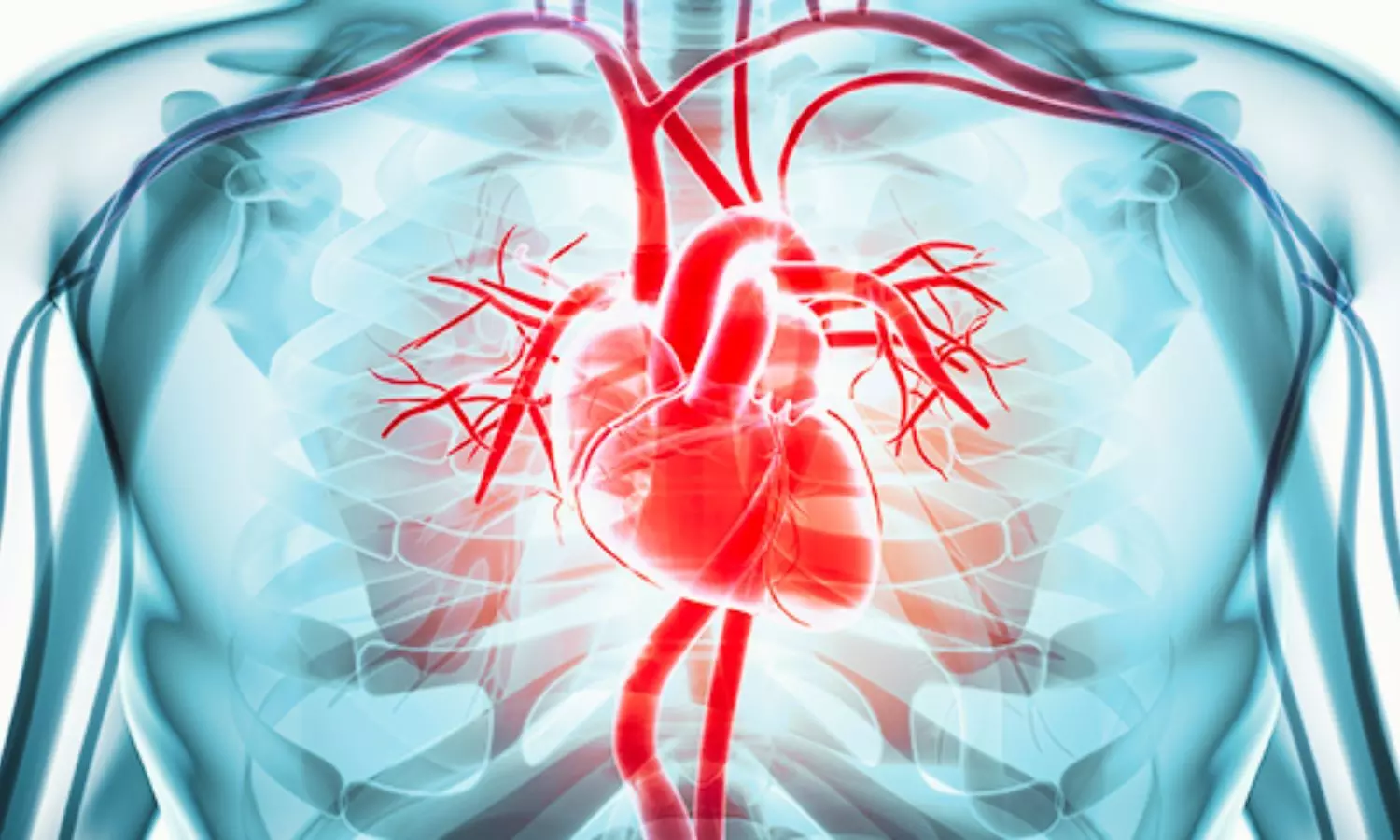
Exercise does more than make the heart stronger. New research suggests it also physically reshapes the nerves that control the heart, revealing an unexpected difference between the left and right sides of the body.

Scientists at the University of Bristol (UK) discovered that moderate aerobic exercise changes the structure of nerve cells involved in regulating heart activity. Even more surprisingly, the changes were dramatically different on the two sides of the body. The findings, published in Autonomic Neuroscience, could eventually help doctors develop more precise treatments for irregular heartbeats, chest pain, angina, and stress-induced 'broken-heart' syndrome.

The discovery was made in rats, so further research is needed to determine whether the same changes occur in humans. Nevertheless, it offers a new perspective on how physical activity influences the nervous system that keeps the heart functioning.

Exercise Changes the Heart's Hidden Control System

The heart is regulated partly by the autonomic nervous system, a network of nerves that automatically manages essential functions such as heartbeat, breathing, and digestion. One branch of this system helps the heart beat faster when the body needs more oxygen, such as during exercise or stressful situations.

Small clusters of nerve cells called stellate ganglia play an important role in this process. Located on both sides of the lower neck and upper chest, these nerve hubs send signals that influence heart rate and other aspects of heart function.

The new research suggests that regular exercise changes these nerve clusters in ways scientists had not previously recognized.

Study lead author Dr. Augusto Coppi, Senior Lecturer in Veterinary Anatomy at the University of Bristol, said: "The discovery points to a previously hidden left-right pattern in the body's 'autopilot' system that helps run the heart.

"These nerve clusters act like the heart's dimmer switch and we've shown that regular, moderate exercise remodels that switch in a side-specific way. This could help explain why some treatments work better on one side than the other and, in future, help doctors target therapies more precisely and effectively."

Just 10 Weeks of Exercise Produced Striking Nerve Changes

To investigate how exercise affects these nerve clusters, the researchers examined rats that underwent 10 weeks of moderate aerobic training. Aerobic exercise is physical activity that increases heart rate and breathing, such as brisk walking, swimming, or cycling.

The study involved researchers from University College London (UCL) in the UK, the University of São Paulo (USP), and the Federal University of São Paulo (UNIFESP) in Brazil.

The team used advanced three-dimensional analysis techniques known as stereology to examine the nerve cells. This approach allows scientists to estimate the number, size, and distribution of cells within tissues.

The results revealed an unusual imbalance between the two sides of the body. In the trained rats, the cardiovascular nerve cluster on the right contained roughly four times as many neurons as the cluster on the left, a striking difference from the pattern observed in untrained rats.

The nerve cells also changed in size, but in opposite directions. Neurons on the left nearly doubled in size, while those on the right became slightly smaller.

These findings suggest that exercise does not affect all the nerves controlling the heart equally. Instead, it produces distinct structural changes on each side, potentially providing clues about how the nervous system adapts to regular physical activity.

Could the Discovery Lead to Better Heart Treatments?

The findings may have important implications for treating conditions involving abnormal nerve activity around the heart.

Arrhythmias occur when the heart beats too quickly, too slowly, or irregularly. Angina is chest pain or discomfort typically caused by insufficient blood flow to the heart muscle. Another condition, commonly called 'broken-heart' syndrome, involves a sudden weakening of the heart muscle that is often triggered by intense emotional or physical stress.

In some patients, doctors treat these problems by reducing excessive nerve signals reaching the heart. Procedures such as stellate ganglion nerve blocks temporarily interrupt nerve activity, while denervation involves disrupting certain nerve pathways.

Understanding how the left and right nerve clusters differ could eventually help physicians determine which side should be targeted for the greatest benefit.

Dr. Coppi explained: "Irregular heart rhythms, known as arrhythmias, stress-induced 'broken-heart' syndrome, and certain types of chest pain are often treated by dialing down overactive stellate ganglia -- the paired small nerve hubs in the lower neck/upper chest area that send 'go faster' signals to the heart.

"By mapping how exercise changes these ganglia on each side, the study offers clues that could one day fine-tune procedures like nerve blocks or denervation to the side most likely to help. The findings are early-stage and in rats, so clinical studies would need to follow."

What's Next for Exercise and Heart Research?

Although the structural changes were substantial, scientists still need to establish exactly how they affect heart function.

The research team plans to investigate whether the differences between the left and right nerve clusters influence how the heart behaves during rest and physical activity. They also intend to look for similar patterns in other animal models and eventually in humans.

For human studies, the researchers hope to use noninvasive markers, which could provide information about nerve activity without requiring surgery or tissue removal.

If the same left-right differences are found in people, the discovery could help guide more personalized treatments for arrhythmias, difficult-to-treat angina, and stress-induced 'broken-heart' syndrome.

Dr. Coppi added: "Understanding these left-right differences could help us personalize treatments for heart rhythm disorders and angina. Our next step is to test how these structural changes map onto function and whether similar patterns appear in larger animals and humans."

Reference:

Fernando Vagner Lobo Ladd, Aliny Antunes Barbosa, Renato Albuquerque de Oliveira Cavalcanti, Larissa Freitas, Reinaldo Barreto Oriá, Ricardo Mario Arida, Mariana Pereira de Melo, Andrzej Loesch, A. Augusto Coppi. Asymmetric neuroplasticity in stellate ganglia: Unveiling side-specific adaptations to aerobic exercise. Autonomic Neuroscience, 2025; 262: 103338 DOI: 10.1016/j.autneu.2025.103338

Autonomic Neuroscienceexercisestresschest pain
Source : Autonomic Neuroscience

Medical Survey

Dr. Kamal Kant Kohli

Dr Kamal Kant Kohli-MBBS, DTCD- a chest specialist with more than 30 years of practice and a flair for writing clinical articles, Dr Kamal Kant Kohli joined Medical Dialogues as a Chief Editor of Medical News. Besides writing articles, as an editor, he proofreads and verifies all the medical content published on Medical Dialogues including those coming from journals, studies,medical conferences,guidelines etc. Email: drkohli@medicaldialogues.in. Contact no. 011-43720751

Print Article
Show Full Article
Next Story
Recommended For You
NO DATA FOUND

Editorial

NMC Introduces New Ethical Rules for Healthcare Advertising: Compliance and Enforcement Challenges for Hospitals in India

NMC Introduces New Ethical Rules for Healthcare Advertising: Compliance and Enforcement Challenges...

Metformin Effect on Biological Aging in Prediabetes: Latest 2026 Published Indian Research

Metformin Effect on Biological Aging in Prediabetes: Latest 2026 Published Indian Research

Resting Heart Rate and CV Outcomes in Hypertension: Revisiting the Accessible Clinical Marker

Resting Heart Rate and CV Outcomes in Hypertension: Revisiting the Accessible Clinical Marker

Clinical Perspectives of Fexofenadine and Pseudoephdrine in Indian Allergic Rhinitis Patients - Dr. Sanjay Sachdeva

Clinical Perspectives of Fexofenadine and Pseudoephdrine in Indian Allergic Rhinitis Patients - Dr....

The Case of the Ill-Fated Abandoned Neonate - Dr Pratibha Kane

The Case of the Ill-Fated Abandoned Neonate - Dr Pratibha Kane

View All

Journal Club Today

Scientists Uncover Link Between Low Vitamin B12 and Heart Disease, Question Benefits of Supplementation

Scientists Uncover Link Between Low Vitamin B12 and Heart Disease, Question Benefits of...

View All
© 2022 All Rights Reserved.
Powered By: Hocalwire
X
We use cookies for analytics, advertising and to improve our site. You agree to our use of cookies by continuing to use our site. To know more, see our Cookie Policy and Cookie Settings.Ok