FDA Approves first Oral PCSK9 Inhibitor Enlicitide to Lower LDL Cholesterol
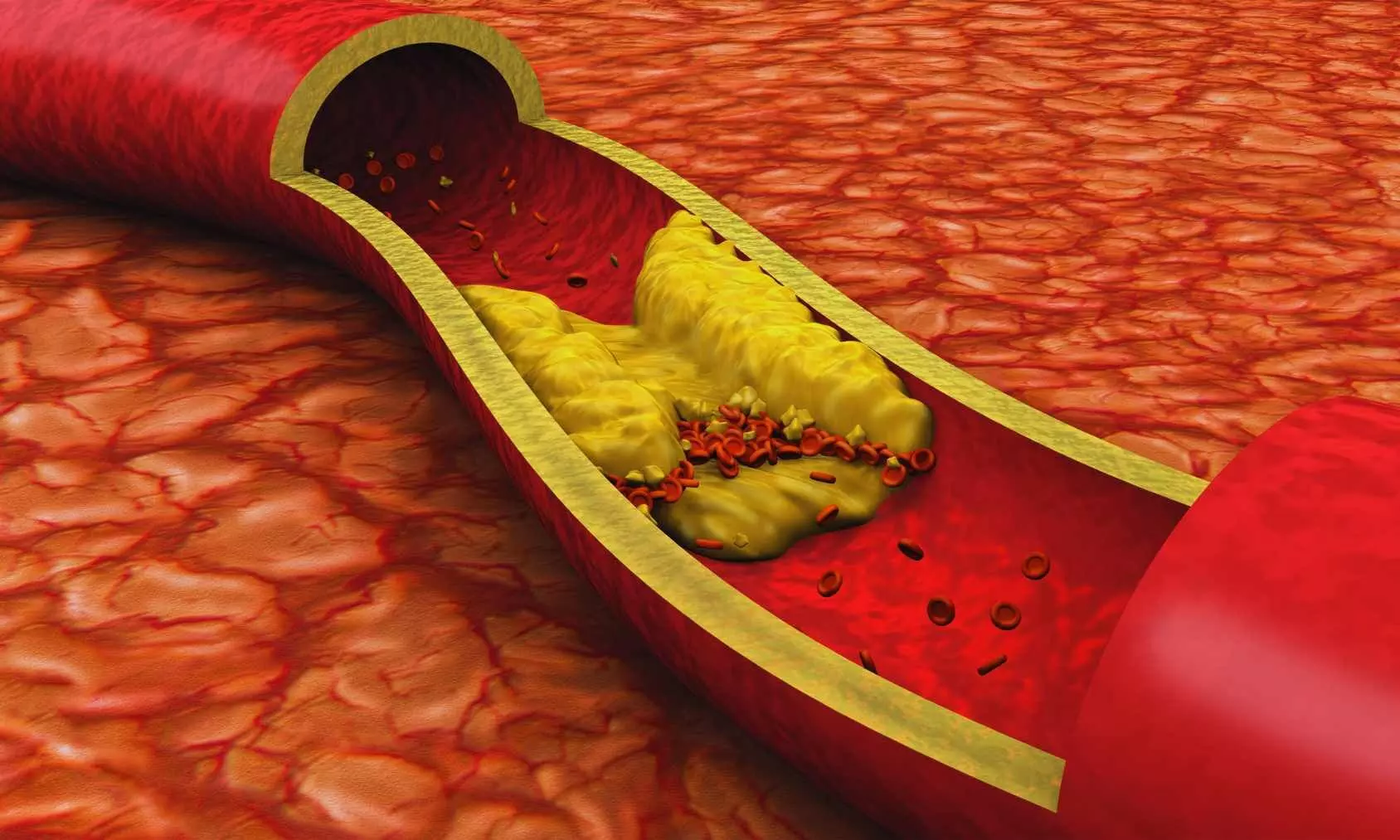


The U.S. FDA has approved Oral PCSK9 Inhibitor Enlicitide in combination with diet and exercise, to reduce low-density lipoprotein cholesterol (LDL-C) in adults with hypercholesterolemia, including those with heterozygous familial hypercholesterolemia (HeFH).
LIPFENDRA is a novel macrocyclic peptide and is the first FDA-approved oral PCSK9 inhibitor shown to lower LDL-C, also known as bad cholesterol.Lipfendra provides an alternative to injectable PCSK9 therapies for adults who need additional LDL-C lowering despite existing treatment. Its approval represents continued progress in developing convenient therapies for long-term cardiovascular disease management.
“By harnessing the innovative science of PCSK9 inhibitors and novel macrocyclic peptide technology, LIPFENDRA was designed to significantly lower LDL-C in the form of a convenient once-daily pill,” said Dr. Dean Y. Li, president, Merck Research Laboratories. “This is a pivotal moment as we bring the first U.S. FDA-approved oral PCSK9 inhibitor to adults with high LDL-C, offering patients an important new option. We’re proud of our work with regulators on this rigorous and efficient review process.”
The approval is based on two Phase 3 trials from the CORALreef clinical program: CORALreef Lipids and CORALreef HeFH. In CORALreef Lipids, LIPFENDRA reduced LDL-C by 56% compared to placebo at week 24. A 60% decrease from baseline in LDL-C was observed with LIPFENDRA when biologically impossible baseline LDL-C values were removed according to revised data handling rules (post-hoc). In CORALreef HeFH, LIPFENDRA reduced LDL-C by 59% at week 24 compared to placebo. Results from these Phase 3 trials showed treatment with LIPFENDRA resulted in reductions across other atherogenic lipoproteins associated with atherosclerotic cardiovascular disease (ASCVD) risk including non-high-density lipoprotein cholesterol (non-HDL-C) and apolipoprotein B (ApoB). The safety profile of LIPFENDRA in CORALreef Lipids was similar to placebo. In CORALreef HeFH, the most common adverse reactions in adults with HeFH treated with LIPFENDRA that occurred at higher frequencies compared to placebo were diarrhea (LIPFENDRA 7%, placebo 2%) and dizziness (LIPFENDRA 9%, placebo 4%). In both trials, similar proportions of LIPFENDRA-treated patients and placebo-treated patients discontinued treatment because of an adverse reaction. For additional information on results from the CORALreef trials, see “Clinical data supporting FDA approval” below.
“High LDL-C is a major risk factor for atherosclerotic cardiovascular disease, which is the leading cause of death globally,” said Dr. Ann Marie Navar, a lead author of the CORALreef Lipids study and associate professor of medicine in the Division of Cardiology at UT Southwestern Medical Center. “In two Phase 3 trials, LIPFENDRA led to impressive reductions in LDL-C. Now, for the first time, patients have an oral PCSK9 inhibitor for LDL lowering.”
An ongoing clinical trial is studying the effect of LIPFENDRA on cardiovascular morbidity and mortality. It is not yet known if LIPFENDRA can reduce the risk of cardiovascular morbidity and mortality.
“One of the greatest opportunities to help manage the risk of ASCVD lies in the timely identification and appropriate treatment of risk factors, such as LDL-C,” said Katherine Wilemon, CEO of the Family Heart Foundation. “We are encouraged by the approval of a new oral PCSK9 inhibitor option for adults who need additional LDL-C lowering.”
Clinical data supporting FDA approval
LIPFENDRA was approved based on results from two pivotal Phase 3 trials from the CORALreef clinical trial program:
• At week 24, in the CORALreef Lipids trial, treatment with LIPFENDRA resulted in:
• A statistically significant and clinically meaningful reduction in LDL-C of 56% compared to placebo at week 24 (95% CI: -61, -51; p<0.001), with a reduction from baseline (primary endpoint) in LDL-C of 57% for LIPFENDRA compared to an increase of 3% for placebo;
• When LDL-C values ≤0 were removed according to revised data handling rules (post-hoc), a statistically significant and clinically meaningful reduction in LDL-C of 60% for LIPFENDRA compared to an increase of 3% for placebo at week 24 (95% CI: -62, -57%).
• Statistically significant reductions in secondary endpoints from baseline to week 24 compared to an increase of 3% for placebo:
• 54% mean reduction in non-HDL-C for LIPFENDRA;
• 50% mean reduction in ApoB for LIPFENDRA.
• At week 24, in the CORALreef HeFH trial, treatment with LIPFENDRA resulted in:
• A statistically significant and clinically meaningful reduction in LDL-C of 59% compared to placebo (95% CI: -66, -53; p<0.001), with a reduction from baseline (primary endpoint) in LDL-C of 58% for LIPFENDRA compared to an increase of 3% for placebo;
• Statistically significant reductions in secondary endpoints from baseline to week 24 compared to an increase of 2% for placebo:
• 52% mean reduction in non-HDL-C for LIPFENDRA;
• 48% mean reduction in ApoB for LIPFENDRA.
In CORALreef Lipids, the frequencies of adverse reactions in adults with hypercholesterolemia were similar between those treated with LIPFENDRA and those receiving placebo. Similar proportions of LIPFENDRA-treated patients and placebo-treated patients discontinued treatment because of an adverse reaction. In CORALreef HeFH, the most common adverse reactions in adults with HeFH treated with LIPFENDRA that occurred at higher frequencies compared to placebo were diarrhea (LIPFENDRA 7%, placebo 2%) and dizziness (LIPFENDRA 9%, placebo 4%). Similar proportions of LIPFENDRA-treated patients and placebo-treated patients discontinued treatment because of an adverse reaction. The safety profile observed in adults with HeFH in CORALreef HeFH was otherwise generally consistent with that observed in adults with hypercholesterolemia in CORALreef Lipids.