
Incidental Coronary Calcium on Routine Chest CT May Predict Cardiovascular Risk: Study
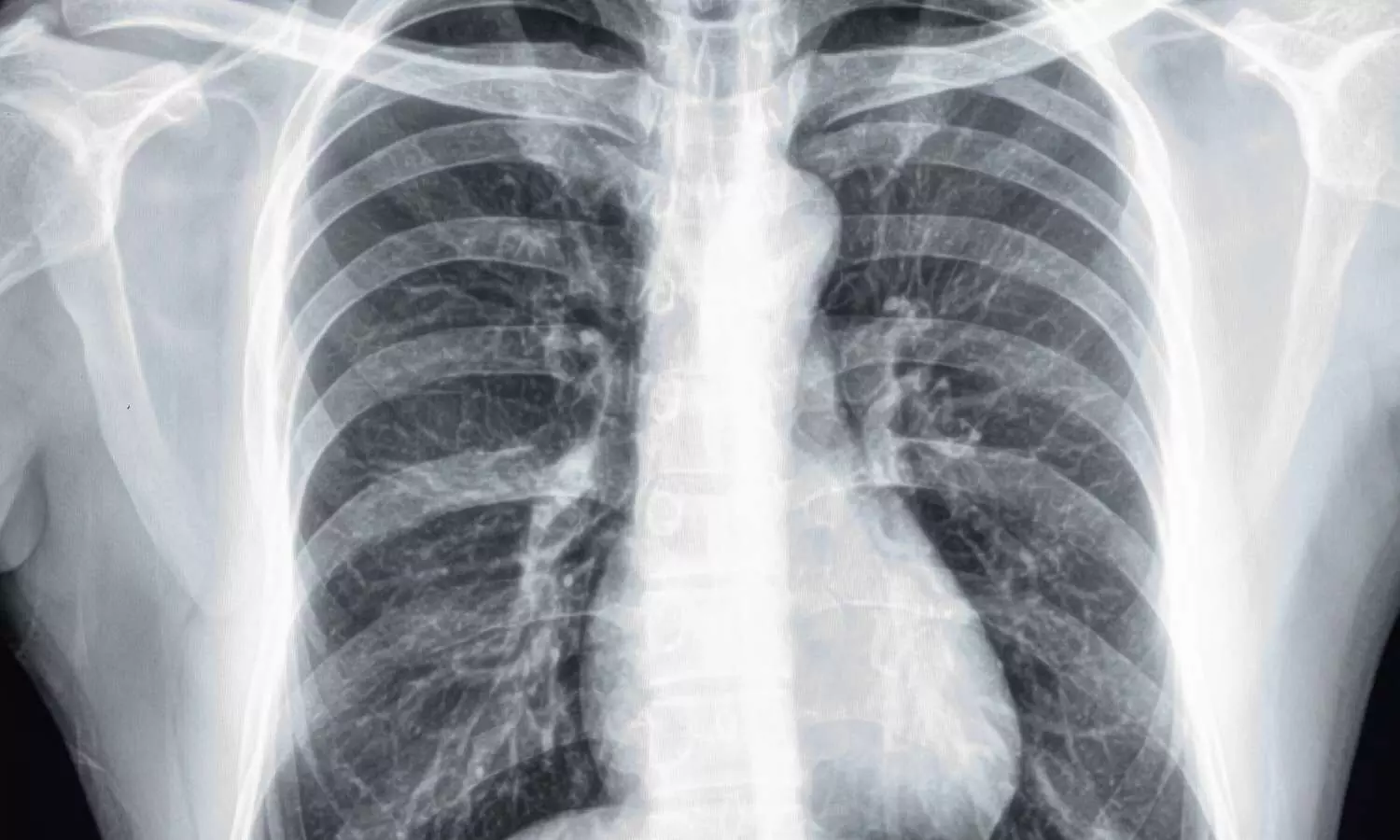


USA: A cohort study has found that coronary artery calcium (CAC) scores obtained incidentally from nongated chest CT scans accurately predict future cardiovascular risk. Patients with moderate or severe CAC had a significantly higher risk of cardiovascular disease and coronary heart disease than those with no detectable CAC. These findings, published in Circulation, highlight the value of routinely reporting incidental CAC on chest CT scans to improve cardiovascular risk assessment and guide preventive care.
Coronary artery calcium is a well-established marker of atherosclerotic cardiovascular disease risk and is traditionally measured using dedicated ECG-gated CT scans. However, millions of nongated chest CT scans are performed each year for non-cardiac indications, creating an opportunity to identify cardiovascular risk without additional imaging. To evaluate the prognostic value of incidental CAC detected on these scans, Dhiran Verghese from the Division of Cardiovascular Medicine, Massachusetts General Hospital, Boston, and colleagues analyzed data from the Multi-Ethnic Study of Atherosclerosis (MESA).
The researchers analyzed 2,472 participants who underwent same-day gated and nongated chest CT scans between April 2010 and December 2011. Individuals with a prior history of coronary heart disease or cardiovascular disease were excluded. All scans were independently interpreted at a core laboratory, and the investigators compared the ability of gated and nongated CAC scores to predict future coronary heart disease and cardiovascular events during long-term follow-up.
Key findings from the study include:
- The study included a multiethnic cohort comprising 53% women, with participants from White, Chinese, Black, and Hispanic/Latino populations.
- Compared with participants who had no detectable CAC, those with moderate (CAC score 101–299) or severe (≥300) incidental CAC on nongated CT scans had a significantly higher risk of coronary heart disease and cardiovascular disease.
- Nongated and gated CAC scores showed a very strong correlation (r=0.96), indicating close agreement between the two imaging methods.
- The predictive accuracy of nongated CAC was comparable to that of gated CAC, with similar discrimination, calibration, and overall model performance.
- The findings suggest that incidental CAC detected on routine chest CT scans can reliably identify individuals at increased long-term cardiovascular risk.
The researchers noted that residual confounding, survival bias, and disclosure of gated CAC results may have influenced the findings. They also cautioned that the results apply only to noncontrast CT scans, while motion artifacts and image acquisition differences on nongated scans could have affected CAC measurements.
Overall, the findings show that incidental CAC on nongated chest CT predicts future cardiovascular events as accurately as dedicated gated CT. Routine CAC reporting on nongated scans could improve cardiovascular risk stratification, enable earlier preventive treatment, and reduce unnecessary costs and radiation exposure, supporting its integration into the 2026 lipid management guidelines.
Reference: https://doi.org/10.1161/CIRCULATIONAHA.125.078431

Next Story