
LDL-C Oxidation Linked to Plaque Vulnerability in Diabetes: Study Shows
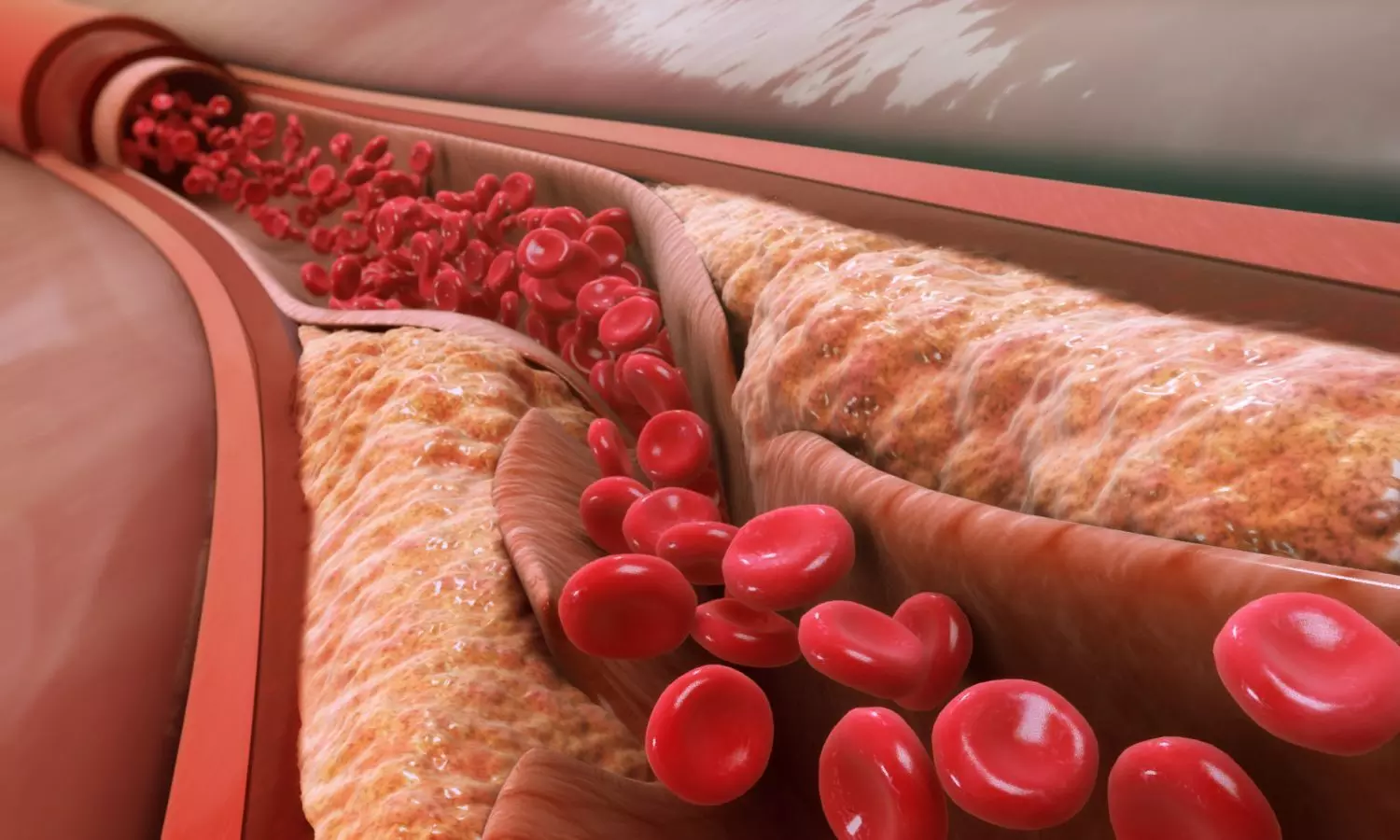


Japan: Researchers have found in a new study that higher levels of LDL-C oxidation are associated with increased plaque vulnerability, with the relationship being particularly pronounced in patients with diabetes mellitus.
Oxidative modification of low-density lipoprotein cholesterol (LDL-C) is widely recognized as a key driver of atherosclerotic plaque inflammation and instability. While oxidized LDL-C has long been implicated in the progression of coronary artery disease, its relationship with plaque characteristics in patients with diabetes mellitus has not been fully clarified.
To address this gap, investigators from Yamagata University School of Medicine, Japan, led by Jun Goto, examined how LDL-C oxidation relates to plaque morphology using high-resolution intracoronary imaging.
The study, published in American Heart Journal Plus: Cardiology Research and Practice, analyzed 138 patients with chronic coronary syndrome who underwent optical coherence tomography (OCT) during coronary evaluation. OCT is a powerful imaging modality that allows detailed visualization of plaque components, including lipid accumulation and inflammatory cell infiltration.
The researchers focused on malondialdehyde-modified LDL-C (MDA-LDL), a well-established marker of oxidized LDL-C, and assessed LDL-C oxidation using the MDA-LDL to LDL-C ratio.
Participants were stratified into three groups based on tertiles of LDL-C oxidation levels. The investigators then evaluated plaque morphology at target coronary lesions, with particular attention to lipid burden and macrophage presence—two hallmarks of vulnerable, high-risk plaques.
The study revealed the following findings:
- In patients with diabetes mellitus, higher LDL-C oxidation levels were strongly linked to increased plaque vulnerability.
- Lipid index rose progressively across low, moderate, and high LDL-C oxidation groups, indicating greater lipid accumulation within plaques.
- Macrophage grade also increased with higher LDL-C oxidation, reflecting enhanced inflammatory activity.
- These associations remained significant after adjustment for potential confounders.
- No significant association between LDL-C oxidation and plaque features was observed in patients without diabetes, indicating a diabetes-specific effect on plaque destabilization.
The findings highlight important biological differences in atherosclerotic processes between patients with and without diabetes. Diabetes is known to promote oxidative stress, chronic inflammation, and endothelial dysfunction, all of which may amplify the harmful effects of oxidized LDL-C on plaque composition. The study suggests that LDL-C oxidation may be a particularly relevant marker of plaque vulnerability in this high-risk population.
The study was limited by its cross-sectional, single-center design and inclusion of only Japanese patients. OCT was performed in a selected PCI subgroup, raising selection bias concerns. Only MDA-LDL was assessed; other oxidized LDL-C markers were not analyzed. The small sample size precluded outcome analysis, and OCT was limited to target vessels.
Despite these constraints, the study provides valuable evidence linking LDL-C oxidation to high-risk plaque features in patients with diabetes. The authors conclude that incorporating lipid peroxidation markers, such as the MDA-LDL/LDL-C ratio, into cardiovascular risk assessment may improve early identification of vulnerable patients with diabetes and support more personalized strategies to prevent plaque progression and adverse cardiac events.
Reference:
Goto, J., Kinoshita, D., Otaki, Y., Ra, S., Ono, H., Mito, T., Shikama, T., Tachibana, S., Kato, S., Watanabe, T., Jang, I., & Watanabe, M. (2025). Oxidized low-density lipoprotein cholesterol and plaque vulnerability. American Heart Journal Plus: Cardiology Research and Practice, 61, 100691. https://doi.org/10.1016/j.ahjo.2025.100691

Next Story