Non-HDL-C and Remnant Cholesterol Better Predict ASCVD Risk in CKD compared to LDL C: Study
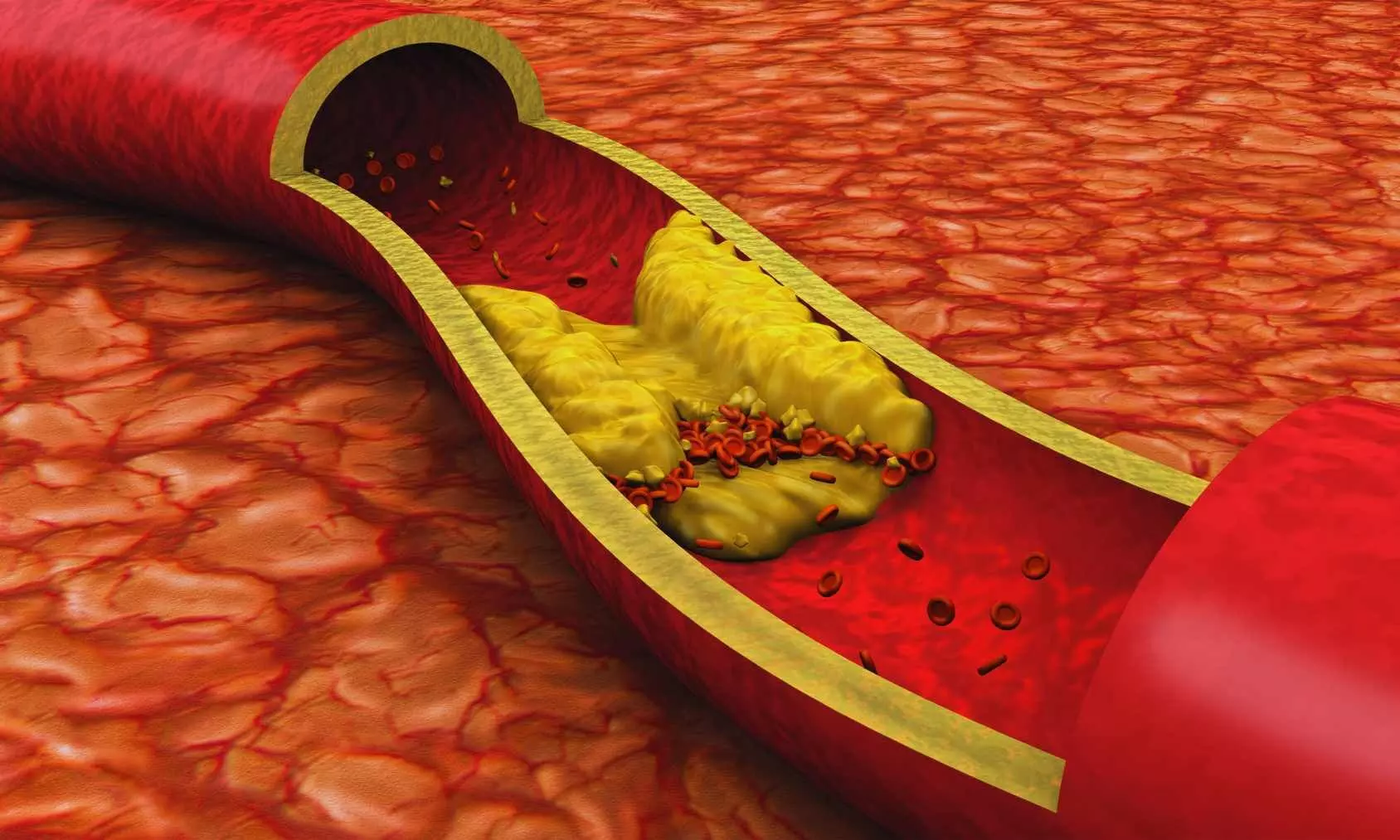


Researchers have found in a new study that among patients with chronic kidney disease, non-high-density lipoprotein cholesterol and remnant cholesterol were more consistently associated with atherosclerotic cardiovascular disease risk than low-density lipoprotein cholesterol, suggesting these lipid measures may enhance residual risk stratification beyond traditional low-density lipoprotein cholesterol–based assessment.
Low-density lipoprotein cholesterol is the primary therapeutic target for lipid lowering, yet it may incompletely reflect atherosclerotic cardiovascular disease risk in patients with chronic kidney disease. Non–high-density lipoprotein cholesterol and remnant cholesterol capture cholesterol carried by a broader spectrum of atherogenic lipoproteins and may provide complementary information for risk stratification in this population.
This study aimed to compare the associations of low-density lipoprotein cholesterol, non–high-density lipoprotein cholesterol, and remnant cholesterol with atherosclerotic cardiovascular disease risk and to evaluate their performance in discordant lipid profiles among patients with chronic kidney disease. A total of 27,978 patients with chronic kidney disease from the Kailuan cohort were included, with a median follow-up of 13.81 years. Associations of low-density lipoprotein cholesterol, non–high-density lipoprotein cholesterol, and remnant cholesterol with incident atherosclerotic cardiovascular disease were assessed using Cox proportional hazards models and restricted cubic spline analyses. Discordance analyses were conducted using clinically relevant lipid cutoffs.
Results: Higher levels of low-density lipoprotein cholesterol, non–high-density lipoprotein cholesterol, and remnant cholesterol were all associated with an increased risk of atherosclerotic cardiovascular disease. However, the associations of non–high-density lipoprotein cholesterol and remnant cholesterol with atherosclerotic cardiovascular disease risk were more consistent across subgroups, whereas those for low-density lipoprotein cholesterol were more heterogeneous. Compared with participants with concordantly low lipid levels, those with elevated non–high-density lipoprotein cholesterol or remnant cholesterol but normal low-density lipoprotein cholesterol had significantly higher atherosclerotic cardiovascular disease risk.
In patients with chronic kidney disease, non–high-density lipoprotein cholesterol and remnant cholesterol were more consistently associated with atherosclerotic cardiovascular disease risk than low-density lipoprotein cholesterol. Discordance analyses suggest that these lipid parameters may improve residual atherosclerotic cardiovascular disease risk stratification beyond low-density lipoprotein cholesterol–based assessment.
Reference:
Non–HDL cholesterol and remnant cholesterol are better indicators of atherosclerotic cardiovascular disease risk than LDL cholesterol in patients with chronic kidney disease Li, Man et al. Atherosclerosis, Volume 415, 120665