Novel Autonomic CV Response to Standing Linked to Falls Risk: Study
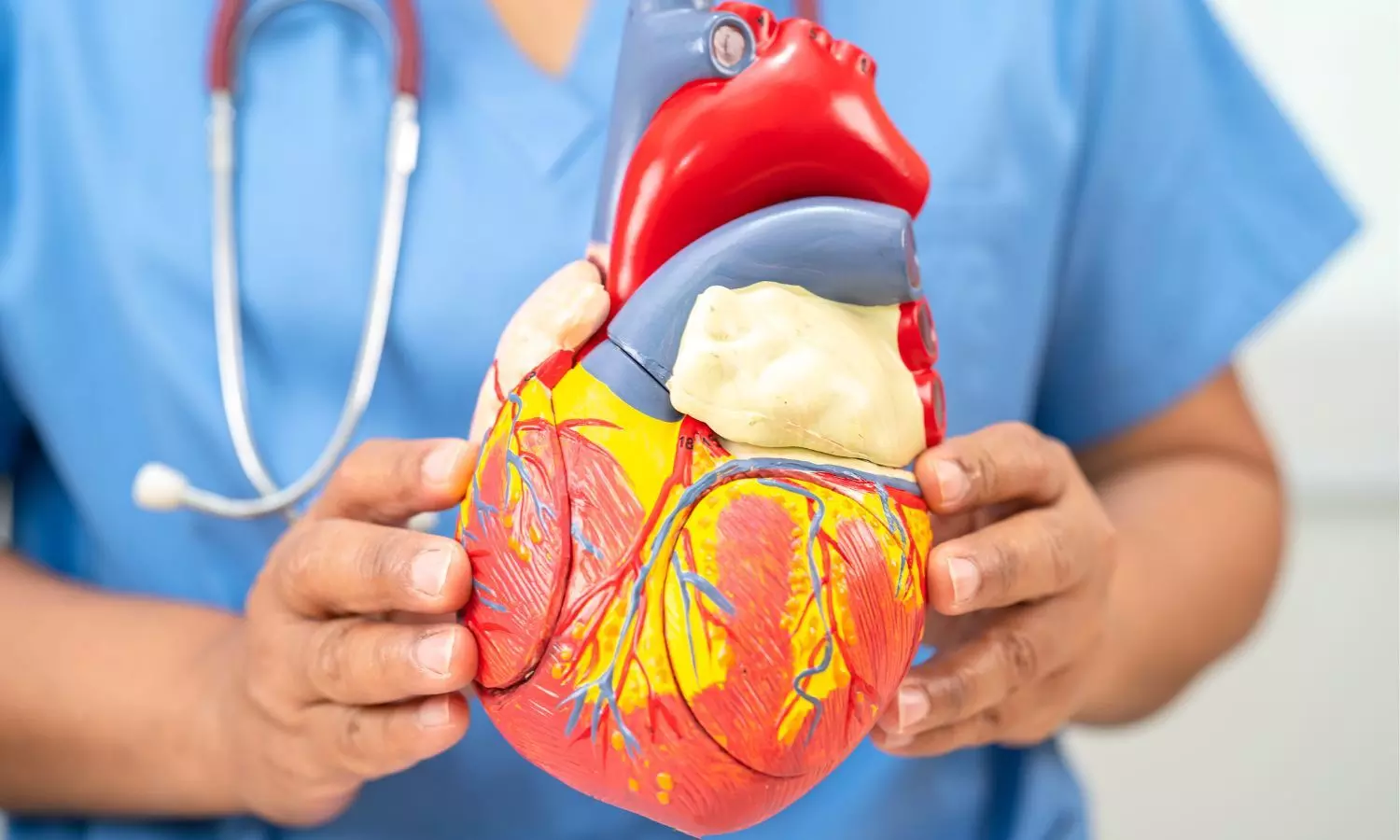


A newly described autonomic cardiovascular response to standing was associated with impaired peripheral sympathetic function and an increased risk of falls, according to a study in the European Heart Journal. The study was conducted by L. Xie and colleagues.
Standing leads to a rapid pooling of blood in the lower half of the body, making venous return and cardiac output difficult. Conventionally, the concern has been with orthostatic hypotension based on a reduction in blood pressure. Blood pressure does not completely reflect cerebral perfusion, which is also very sensitive to cardiac output. An understanding of cardiac output in response to standing may, therefore, help in better recognizing persons at risk of dizziness, falls, frailty, and cognitive impairment, even when blood pressure changes are relatively normal.
This prospective study evaluated actual haemodynamic reactions to active standing in two large groups of participants:
• 3,074 young individuals from Melbourne
• 3,025 older individuals from Ireland
In the young group, five pre-specified subgroups were employed to investigate:
• Reproducibility of cardiac output pattern (same-day and two-week retests)
• Effects of vasodilation induced by sublingual glyceryl trinitrate (GTN)
• Effects of sympathetic activation by handgrip exercise with phenylephrine
• Relationships with urinary electrolyte excretion
In the older group, cardiac output reaction pattern was investigated in relation to clinical characteristics, physical function, cognitive function, and adverse outcomes.
Key findings
Across both cohorts, investigators identified a reproducible dichotomy in initial orthostatic cardiac output responses:
Cardiac output rise (COR):
• 66% of young adults
• 78% of older adults
Cardiac output fall (COF):
• 34% of young adults
• 22% of older adults
• COF was linked to frailty, slower gait, and poorer cognition (all P < .001)
• Among participants taking negatively chronotropic drugs (n = 487), falls were more frequent in COF
• COF was associated with a 1.82-fold higher odds of falls
• Odds ratio: 1.82
• 95% confidence interval: 1.18–2.80
This large prospective study has uncovered a new autonomic response to standing, with a reduction in cardiac output, in about one in five elderly individuals. This phenotype is independently associated with frailty, slow walking speed, cognitive impairment, and an increased risk of falls, emphasizing its clinical relevance. These results draw attention away from blood pressure and focus on cardiac output as an important determinant of functional status with age.
Reference:
L Xie, M A Shirsath, K J Scurrah, B Hernandez, S Knight, A M Allen, R McCarty, J B Zhang, J Ziogas, J E Bourke, R A Kenny, S B Harrap, Peripheral autonomic dysregulation in response to standing: a new form associated with cardiovascular disease, mobility reduction, and cognitive alterations, European Heart Journal, 2026;, ehaf1120, https://doi.org/10.1093/eurheartj/ehaf1120