Recombinant Factor VIIa Limits Hematoma Expansion but Increases Thromboembolic Risk in ICH: Study
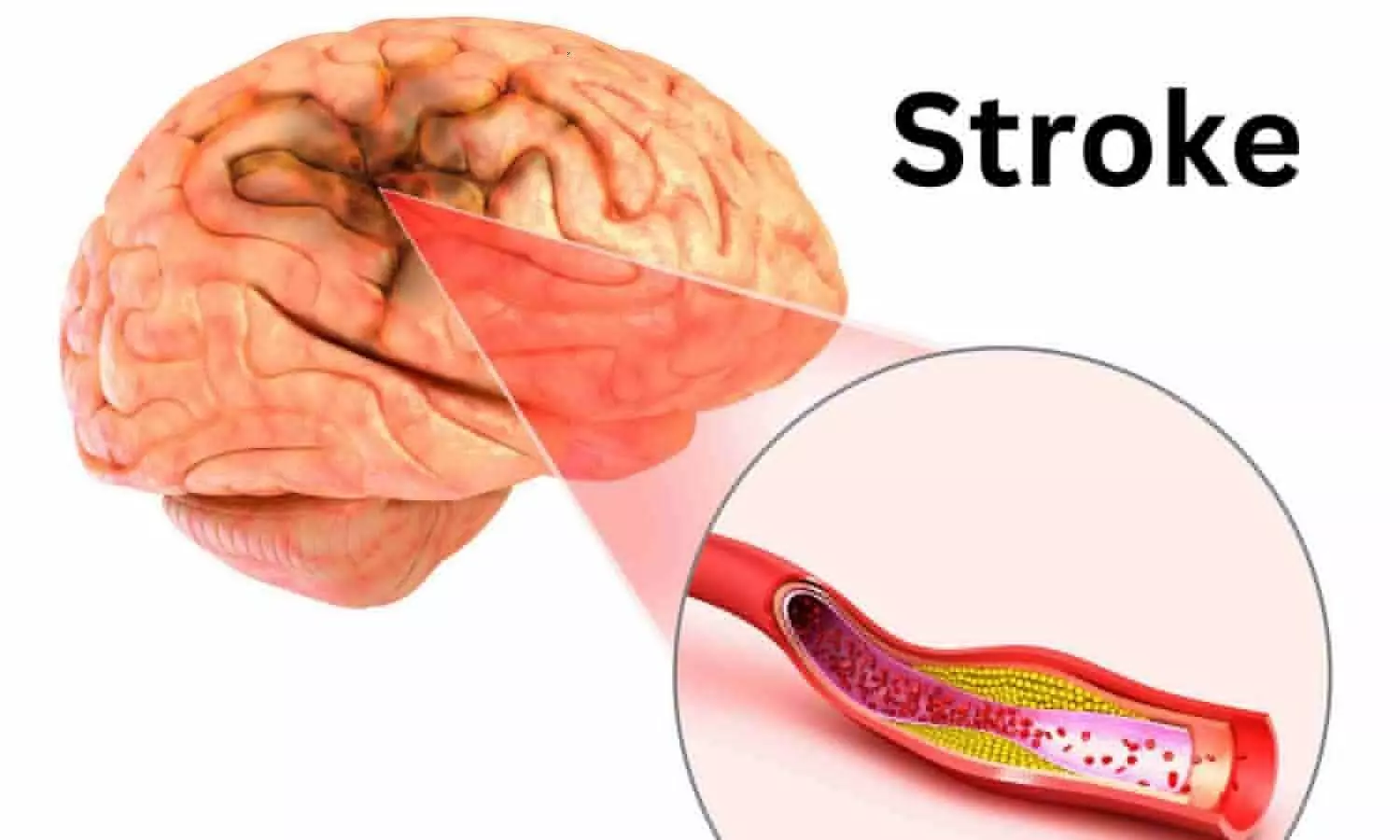


Findings from the FASTEST trial, presented at the International Stroke Conference, show that recombinant factor VIIa, when given within 2 hours of spontaneous intracerebral hemorrhage onset, reduced hematoma growth but significantly increased the risk of life-threatening thromboembolic events and did not improve functional outcomes. The study was published in The Lancet journal by Joseph P. and fellow researchers.
Intracerebral haemorrhage (ICH) is still among the most harmful types of stroke, leading to a lot of deaths and long-lasting disabilities. The main factor contributing to early haematoma expansion is the addition of recombinant factor VIIa, which has, in the past, been shown to prevent bleeding from worsening. However, it has been unclear whether stopping haematoma growth would lead to better survival or functional recovery; there was a need for carefully planned trials in well-chosen patients.
FASTEST was a multicentre, prospective, double-blind, randomised, placebo-controlled, adaptive phase 3 trial conducted at 93 sites across the USA, Japan, Canada, Spain, Germany, and the UK. Adults aged 18 to 80 years with spontaneous ICH volumes between 2 and 60 mL, limited intraventricular haemorrhage, a Glasgow Coma Scale score of at least 8, and no recent ischaemic stroke, myocardial infarction, anticoagulant use, or secondary causes of ICH were eligible. Importantly, treatment had to be administered within 2 hours of stroke onset or last known well.
Participants were randomly assigned in a 1:1 ratio to recombinant factor VIIa (80 μg/kg) or placebo, identical in appearance to the active drug, administered intravenously over 2 minutes. Participants and investigators were all blinded to treatment assignment. The primary efficacy outcome was functional status at 180 days as measured by the modified Rankin Scale. The primary safety outcome was the number of life-threatening thromboembolic events within the first 4 days of dosing. Secondary outcomes were the change in ICH volume and the combined ICH plus intraventricular haemorrhage volume at 24 hours.
Key findings
• A total of 3,288 patients were screened between December 3, 2021, and October 1, 2025; 626 were randomly assigned and included in the intention-to-treat analysis.
• Of those, 328 participants (52%) received recombinant factor VIIa and 298 (48%) received a placebo.
• The mean age of participants was 61 years with a standard deviation of 12 years, 65% were male, and 35% were female, and the mean time from stroke onset to drug administration was 100 minutes with a standard deviation of 22 minutes.
• This trial met prespecified stopping criteria for futility at the second interim analysis.
• There was no significant difference in functional outcomes at 180 days between the recombinant factor VIIa and placebo groups, as demonstrated by an adjusted common odds ratio of 1.09 for improvement in modified Rankin Scale scores, with a 95% confidence interval of 0.79 to 1.51 and a p value of 0.61, indicating no clinical benefit.
• Life-threatening thromboembolic events within the first 4 days occurred in 15 participants (<5%) in the recombinant factor VIIa group compared with 4 participants (1%) in the placebo group.
• This corresponded to a relative risk of 3.41, with a 95% confidence interval of 1.14 to 10.15 and a p-value of 0.020.
• However, despite the absence of functional benefit, recombinant factor VIIa significantly reduced bleeding progression.
• Compared with placebo, treatment was associated with a reduction in ICH growth of 3·7 mL and a reduction in combined ICH plus intraventricular haemorrhage growth of 5·2 mL at 24 hours after treatment.
In this large international phase 3 trial, recombinant factor VIIa given within 2 hours of the start of intracerebral haemorrhage slowed haematoma growth. However, it did not improve functional outcomes at 180 days and increased the risk of serious thromboembolic events. These findings show the challenges of treating acute ICH and emphasize that just reducing bleeding may not be enough to improve outcomes for patients.
Reference:
Broderick, J. P., Naidech, A. M., Elm, J. J., Toyoda, K., Dowlatshahi, D., Demchuk, A. M., Khatri, P., Steiner, T., Bath, P. M., Audebert, H. J., Vagal, A., Yoshimura, S., Mayer, S. A., Wang, L. L., Sabagha, N., Mocco, J. D., Molina, C., Aviv, R., Stinson, E., … Purroy, F. (2026). Recombinant factor VIIa versus placebo for spontaneous intracerebral haemorrhage within 2 h of symptom onset (FASTEST): a multicentre, double-blind, randomised, placebo-controlled, phase 3 trial. Lancet. https://doi.org/10.1016/s0140-6736(26)00097-8