
Right atrial Linear Ablation Feasible and Safe for persistent atrial fibrillation: Study
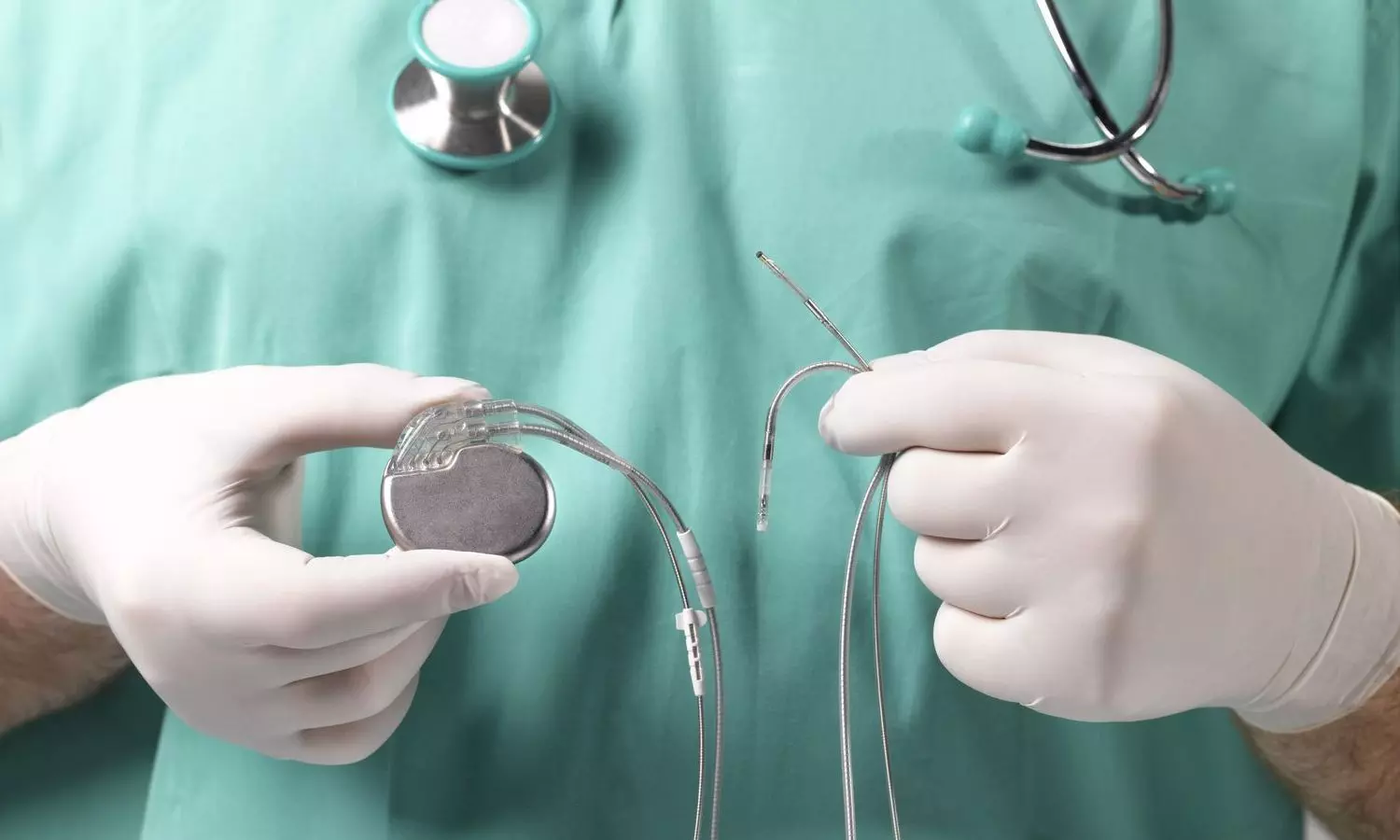


A new study published in the journal of Heart Rhythm O2 showed that performing right atrial (RA) linear ablation with a verified bidirectional conduction block was achievable and seemed secure, with no need for a permanent pacemaker insertion within a month.
Pulmonary vein isolation (PVI) is still considered the main approach in catheter ablation for atrial fibrillation (AF), although its effectiveness is less in persistent AF when compared to paroxysmal AF. Different strategies to modify the left atrial substrate have been studied but with varying results. Surgical ablation of both atria can effectively manage AF in the long term but carries a higher risk of sinus node issues and needing a permanent pacemaker.
Recent findings suggest that the right atrium (RA) also experiences changes in structure and electrical activity and may have crucial arrhythmogenic areas. Modern three-dimensional mapping technology allows for accurate delivery of lesions in the RA and confirmation of complete blockage. Therefore, linear ablation in the RA, such as isolating the superior vena cava, cavotricuspid isthmus, and intercaval area, could be a viable addition to PVI for persistent AF while minimizing sinus node damage.
Between 2022 and 2023, a prospective study was carried out at a single center. Patients eligible for the study had continuous AF and were set to undergo their first catheter ablation procedure. In addition to isolating the pulmonary veins, the procedure included RA linear ablation, which involved isolating the superior vena cava, performing intercaval linear ablation, and ablating the cavotricuspid isthmus. The main goal was to successfully complete the RA linear ablation, while the primary safety concern was the need for a pacemaker due to sick sinus syndrome within a month post-procedure.
97 individuals (with a middle age of 63.0 [IQR: 55.0, 70.0 years]; 17 women [17.5%]) went through RA linear ablation. A total of 91 patients (94%) achieved complete RA linear ablation with bidirectional block. The lower 97.5% confidence limit on one side was 87%, surpassing the previously set target of 70% (p <0.001). None of the patients needed a permanent pacemaker, which was notably under the target of 7% (p <0.001).
The freedom from atrial tachyarrhythmia after one year was 82.4%. Overall, performing RA linear ablation with thorough confirmation of bidirectional block was possible and did not result in the need for a permanent pacemaker within a month in individuals having catheter ablation for persistent AF.
Source:
Lee, J. M., Cho, M. S., Cha, M.-J., Park, Y.-S., Oh, H. J., Yang, S. Y., Park, J., Kim, S.-H., Nam, G.-B., Choi, K.-J., & Kim, J. (2026). Biatrial catheter ablation for persistent atrial fibrillation: Prospective registry-based observational study. Heart Rhythm O2. https://doi.org/10.1016/j.hroo.2026.09.010

