
Study links traffic noise to higher cholesterol and lipid levels in blood
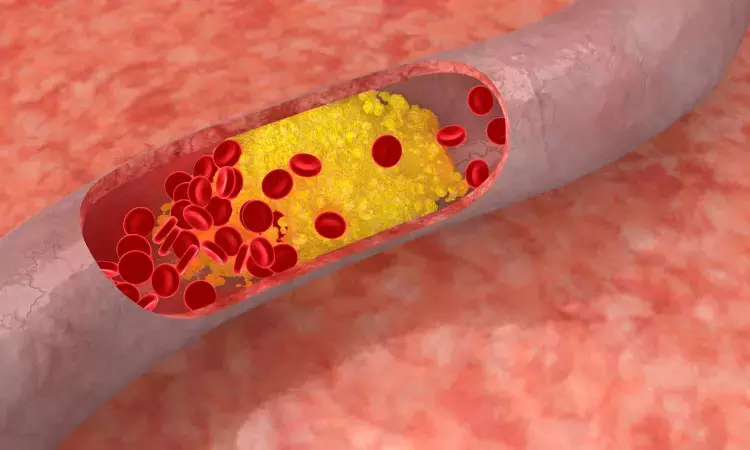


A new study from the University of Oulu has found that nighttime noise exposure is associated with changes in blood cholesterol and lipid-related metabolites in adults, which are known risk factors for cardiometabolic diseases.
The LongITools study, published in Environmental Research, is one of the largest studies so far to investigate how long-term exposure to traffic noise may influence biological processes in the body.
Researchers found that people exposed to night-time traffic noise levels of around 50 decibels (dB) and above showed measurable changes in blood lipids, including cholesterol-related markers. These effects became more pronounced at higher noise levels.
Road traffic noise is a widespread but often overlooked environmental exposure. Across Europe, millions of people are exposed to traffic noise at levels considered harmful to health, particularly at night.
Previous studies have linked traffic noise to cardiovascular disease and diabetes, but how noise “gets under the skin” biologically has remained unclear. This study helps fill that gap by showing that noise exposure is linked to changes in metabolic pathways long before disease develops.
The researchers analysed data from 272,229 adults aged 31 years and older from three large European population-based cohorts: the UK Biobank, the Rotterdam Study, and the Northern Finland Birth Cohort 1966.
Nighttime road traffic noise was modelled at individuals’ residential addresses using national noise maps. Noise exposure focused on nighttime levels, when people are most likely to be at home and vulnerable to sleep disturbance.
Blood samples were analysed using an advanced nuclear magnetic resonance (NMR) metabolomics platform to quantify 155 metabolic biomarkers.
This approach enabled the researchers to link long-term night-time noise exposure with detailed metabolic changes in the blood.
The study found that exposure to nighttime road traffic noise >55 decibels (dB) was associated with higher levels of total cholesterol, LDL (“bad”) cholesterol, esterified cholesterol-rich lipoproteins, fatty acids and membrane-related lipids — all of which play an important role in cardiometabolic health. For most biomarkers, the researchers observed a clear exposure-response pattern, with metabolic changes becoming visible from 50 dB onwards.
“Our findings suggest that night-time traffic noise may subtly but consistently affect metabolic health,” says Yiyan He, lead author of the study and doctoral researcher at the University of Oulu.
“While the changes in cholesterol and lipid levels for any one individual are small, traffic noise affects a very large number of people, which means the potential public health impact could be substantial.”
The senior author, Professor Sylvain Sebert at the University of Oulu, adds: “This study provides biological evidence supporting earlier links between traffic noise and cardiometabolic diseases. It reinforces the idea that environmental noise is not just a nuisance, but a real health issue.”
Yiyan He suggests: ‘Reducing nighttime traffic noise exposure could help mitigate potential metabolic health impacts. Our findings support policy and actions, including urban planning strategies that reduce residential exposure to road traffic noise and building designs that prioritise quieter sleeping environments.’
This study adds to growing evidence that protecting people from excessive noise exposure, especially at night, could help support long-term cardiometabolic health.
Reference:
Yiyan He, Bigina N.R. Ginos, Jules Kerckhoffs, Trudy Voortman, Mohsen Ghanbari, Rozenn Nedelec, Sibo Lucas Cheng, Justiina Ronkainen, Marko Kantomaa, Maryam Kavousi, Anna Pulakka, Gerard Hoek, Sylvain Sebert, Metabolic profiles of nighttime road traffic noise exposure: A multi-cohort study in the European LongITools project, Environmental Research, https://doi.org/10.1016/j.envres.2026.123887.
