VERVE-102 Gene-Editing Therapy Shows Promise in LDL Reduction: NEJM
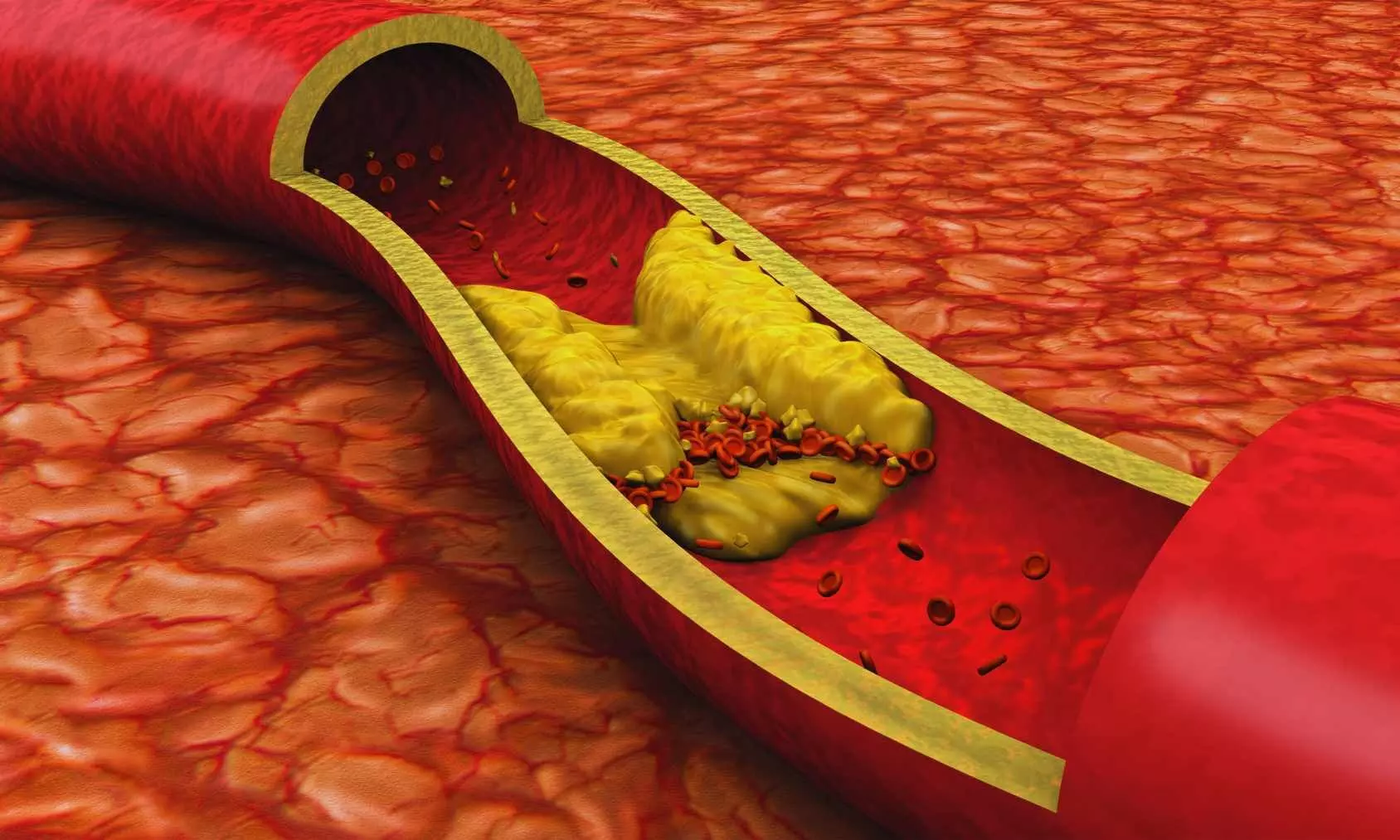


VERVE-102 is an investigational gene-editing treatment designed to permanently disable the PCSK9 gene in the liver, thereby lowering LDL cholesterol levels. Researchers have found in an interim phase Ib study involving patients with heterozygous familial hypercholesterolemia and premature coronary artery disease that a single infusion significantly reduced both PCSK9 and LDL cholesterol levels. The therapy’s lipid nanoparticle delivery system was specifically engineered to improve safety and minimize acute adverse events observed with earlier predecessor therapies. The study was published in The New England Journal of Medicine by Scott B. and colleagues.
The innovative use of genetic technology was tested through an open-label, single ascending dose, phase 1 clinical trial conducted at multiple specialized medical facilities. The study included adults with diagnoses of either heterozygous familial hypercholesterolemia or existing premature coronary artery disease, representing two risk categories that do not reach healthy lipid levels despite conventional treatment options. Six unique dose groups of subjects were enrolled to receive a single infusion of VERVE-102 at different doses, each consisting of 0.3 to 1.0 mg of total RNA/kg of body weight.
The design of the drug under examination involves sophisticated base editing technology, acting as a fine molecular pencil that edits only one genetic letter without breaking down the whole DNA chain. In particular, the drug includes a messenger RNA encoding the adenine base editor protein in combination with a guide RNA sequence targeting the PCSK9 hepatic gene. All genetic material required for the therapy is carefully packaged into a lipid nanoparticle including N-acetylgalactosamine for targeted delivery.
Key findings:
- In total, 35 subjects within the six single ascending dose cohorts managed to receive the VERVE-102 treatment while also completing at least 28 days of safety follow-up.
- There were no cases of dose-limiting toxicities reported during this clinical trial, with adverse events consisting of only mild or moderate infusion related reactions and transient increase in the activity of liver enzymes.
- It was shown that there is a direct link between the amount of doses administered and the decrease in the levels of PCSK9 within blood samples, going from 51% at the lowest dose of 0.3 mg per kilogram to 88% at the highest dose of 1.0 mg per kilogram.
- The corresponding decline in levels of LDL cholesterol in blood ranged from 9% at the lowest 0.3-mg-per-kilogram dose to 62% at the highest 1.0-mg-per-kilogram dose.
- The greatest absolute decline in the levels of LDL cholesterol among those in the highest dose group averaged to 78 mg/dL.
- All metabolic improvements remained constant and persisted for up to one year in 15 patients.
To conclude, a single injection of VERVE-102 resulted in dose-dependent decreases in PCSK9 and LDL cholesterol levels. This extremely promising research shows that the use of base editing technology is an efficient way to deal with cardiovascular problems associated with genetics. It becomes clear that by showing that a single injection can achieve what several daily pills have achieved during the entire year, we have made a giant step in human genetic treatment.
Reference:
Vafai, S. B., Täubel, J., Ashdown, T., Patel, R. S., Diamondali, S., Cegla, J., Soran, H., Bashir, B., Abitbol, A., Gaudet, D., Lauzière, A., Brunham, L. R., Newby, D. E., Nicholls, S. J., Scott, R. S., Kerr, J., Tardif, J.-C., Lunken, C., Humphries, S. E., … Kathiresan, S. (2026). In vivo base editing of PCSK9 with VERVE-102 for hypercholesterolemia. The New England Journal of Medicine, NEJMoa2601283. https://doi.org/10.1056/NEJMoa2601283