
AI Boosts Accuracy of Radiographic Dental Age Estimation, Review Finds
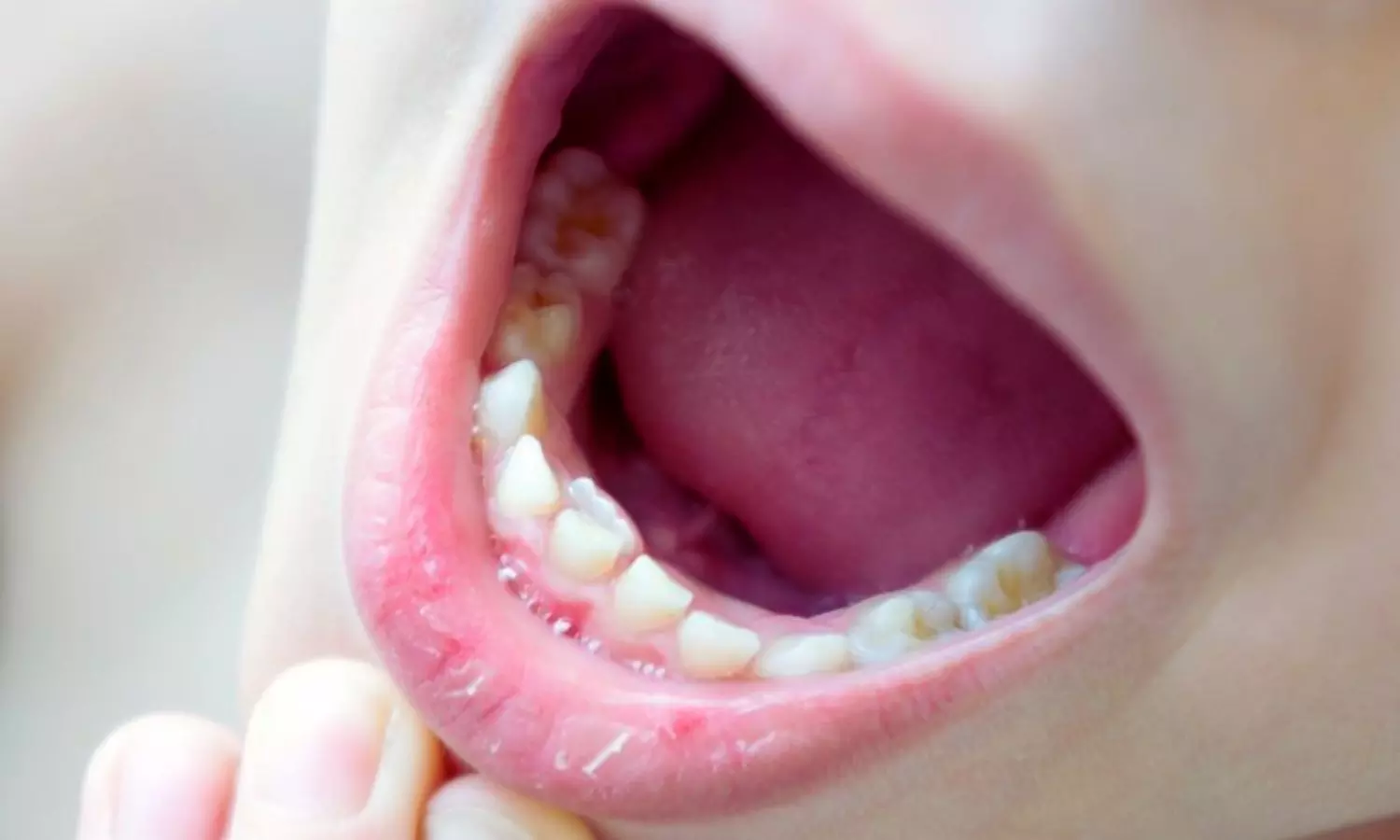


A recent narrative review published in the Indian Journal of Dental Sciences in May 2026 reveals that artificial intelligence is revolutionizing forensic biological profiling. By evaluating radiographic tooth maturation, cutting-edge deep learning models now achieve up to 95% accuracy, dramatically outperforming traditional manual methods to deliver highly precise and clinically reliable dental age estimations.
Traditional dental age estimation methods, such as the Demirjian and Cameriere techniques, rely heavily on subjective examiner experience and are less effective for older populations. To address this clinical gap and the need for standardized automation, Devi and Sehrawat evaluated the accuracy, reliability, and clinical utility of integrating machine learning (ML) and deep learning (DL) algorithms into radiographic dental age assessments.
Therefore, the narrative review of 17 studies (2022–2024) compared the accuracy of artificial intelligence against traditional manual methods for radiographic dental age estimation. Primarily, it evaluated the precision and error rates of machine learning and deep learning models in predicting chronological age. Secondarily, the review assessed the practical applicability of these AI tools in real-world forensic and medico-legal identification scenarios.
Key Clinical Findings of the review include:
Deep Learning Superiority: The review highlighted that deep learning architectures, particularly convolutional neural networks (CNNs), consistently outperformed machine learning algorithms, achieving exceptional precision rates up to 94.7% in age classifications.
Accelerated Processing: Researchers noted that incorporating artificial intelligence with computer vision (CV) slashed radiographic orthopantomogram (OPG) signal processing time by an impressive 96% compared to traditional manual evaluations.
Enhanced Machine Learning Accuracy: The study revealed that supervised machine learning tools, such as Support Vector Machines (SVM), achieved a robust accuracy of 0.918 when determining if an individual had reached crucial legal age thresholds like 14 or 18 years.
Diminished Human Error: The review found that deep learning networks significantly mitigated subjective examiner inconsistencies, obtaining mean absolute errors (MAE) as low as 0.04 years when utilizing specialized U-Net topological algorithms.
The results suggest that the integration of artificial intelligence into forensic dentistry fundamentally upgrades chronological age predictions, with deep neural networks routinely delivering classification accuracies exceeding 83.7% across diverse age groups. These automated systems successfully resolve the persistent challenges of manual morphoscopic analyses, offering highly reliable, objective biometric data that conserves significant time during complex judicial investigations.
Thus, the review concludes for clinical and forensic practitioners that these technological advancements provide an objective, streamlined workflow to quickly interpret radiographs, gently facilitating more confident, evidence-based decision-making during biological profiling without entirely replacing the need for expert clinical oversight.
While the current algorithms occasionally face data acquisition challenges and require rigorous navigation of privacy ethics, future multi-center research utilizing larger, more diverse population datasets will naturally refine these models to ensure universal applicability in real-world forensic casework.
Reference
Devi, T. S., & Sehrawat, J. S. (2026). Artificial intelligence in radiographic dental age estimations: A narrative review. Indian Journal of Dental Sciences, 18, 102-113.
