
Dietary and Lifestyle Factors Strongly Influence Periodontal Health, suggests BMC study


A new study published in the journal of BMC Oral Health found higher intake of alpha-carotene, beta-cryptoxanthin, and fluoride to reduce periodontal pockets and bleeding, whereas greater sodium and vitamin K intake correlated with increased calculus formation. The findings highlight that sociodemographic factors, habits, and diet significantly affect periodontal health.
Periodontal disease includes symptoms like bleeding gums, deep periodontal pockets, and long-term tissue loss and has long been linked to poor oral hygiene and lifestyle factors. However, a growing body of research has proposed that micronutrient deficiencies could contribute to its severity. Until now, evidence has been inconsistent and often inconclusive. The new study, conducted in Rafsanjan, Iran, adds substantial clarity to this debate.
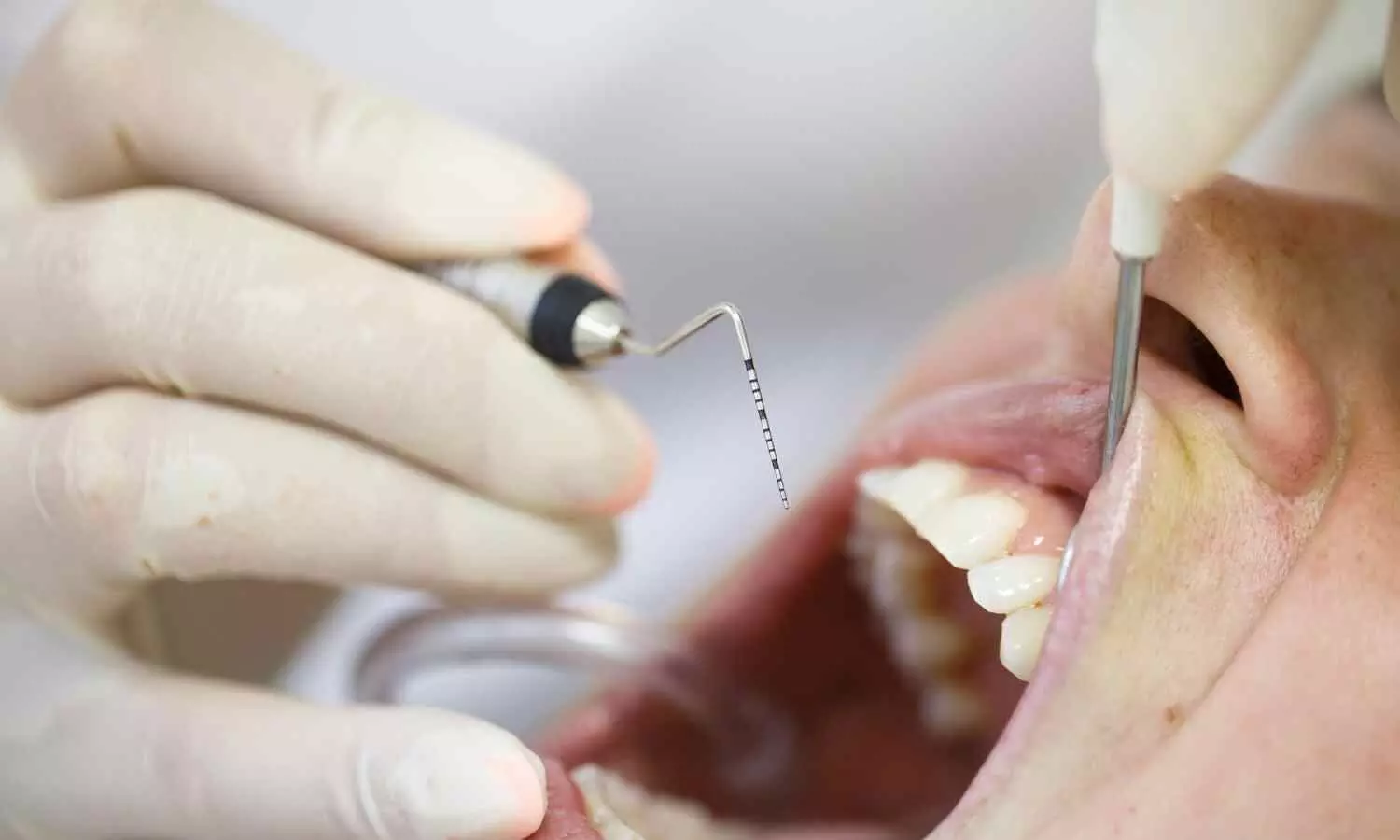
This researchers examined dietary habits using a validated food frequency questionnaire to measure participants’ intake of vitamins and minerals. Clinical oral assessments evaluated key periodontal indicators, including bleeding on probing (BOP), clinical attachment loss (CAL), periodontal probing depth (PPD), and dental calculus levels. Additional data on age, gender, lifestyle habits, medical history, and sociodemographic characteristics were also included to control for confounding influences.
Logistic regression models were used to analyze relationships between micronutrient intake and periodontal outcomes. This method evaluated how increases or decreases in specific nutrients were associated with the likelihood of periodontal disease.
Among the 3013 adults participating (with an average age of 48.62 years and approximately 63% male), several micronutrients showed significant associations with better periodontal health. Higher dietary intake of alpha-carotene and beta-cryptoxanthin (commonly found in orange and yellow fruits and vegetables) was linked to fewer periodontal pockets and reduced bleeding on probing.
The odds ratio for periodontal pocket reduction associated with alpha-carotene intake was 0.77, meaning individuals with higher intake were 23% less likely to experience destructive gum pockets. Similarly, beta-cryptoxanthin demonstrated a protective effect with an odds ratio of 0.80.
Fluoride intake also appeared beneficial, further supporting its role in strengthening teeth and preventing decay-induced periodontal irritation. On the other hand, higher consumption of sodium and vitamin K was strongly correlated with an increase in dental calculus buildup that can accelerate gum disease if not professionally removed.
Overall, this study concludes that diet, along with lifestyle and socioeconomic conditions, plays a crucial role in periodontal health. Foods rich in protective micronutrients could help reduce inflammation and slow disease progression. Also, the diets with excessively high sodium or vitamin K may worsen calculus accumulation.
Source:
Rezvaninejad, R., Behzadi, S., Jamali, Z., Khalili, P., Soleimani Sardou, S., & Rezvaninejad, R. (2025). Association between micronutrient intake and periodontal health: a cross-sectional analysis of the Rafsanjan cohort study. BMC Oral Health, 25(1), 1761. https://doi.org/10.1186/s12903-025-06574-2

