Full Pulpotomy Superior to selective caries removal for Extremely Deep Carious Lesions: Study
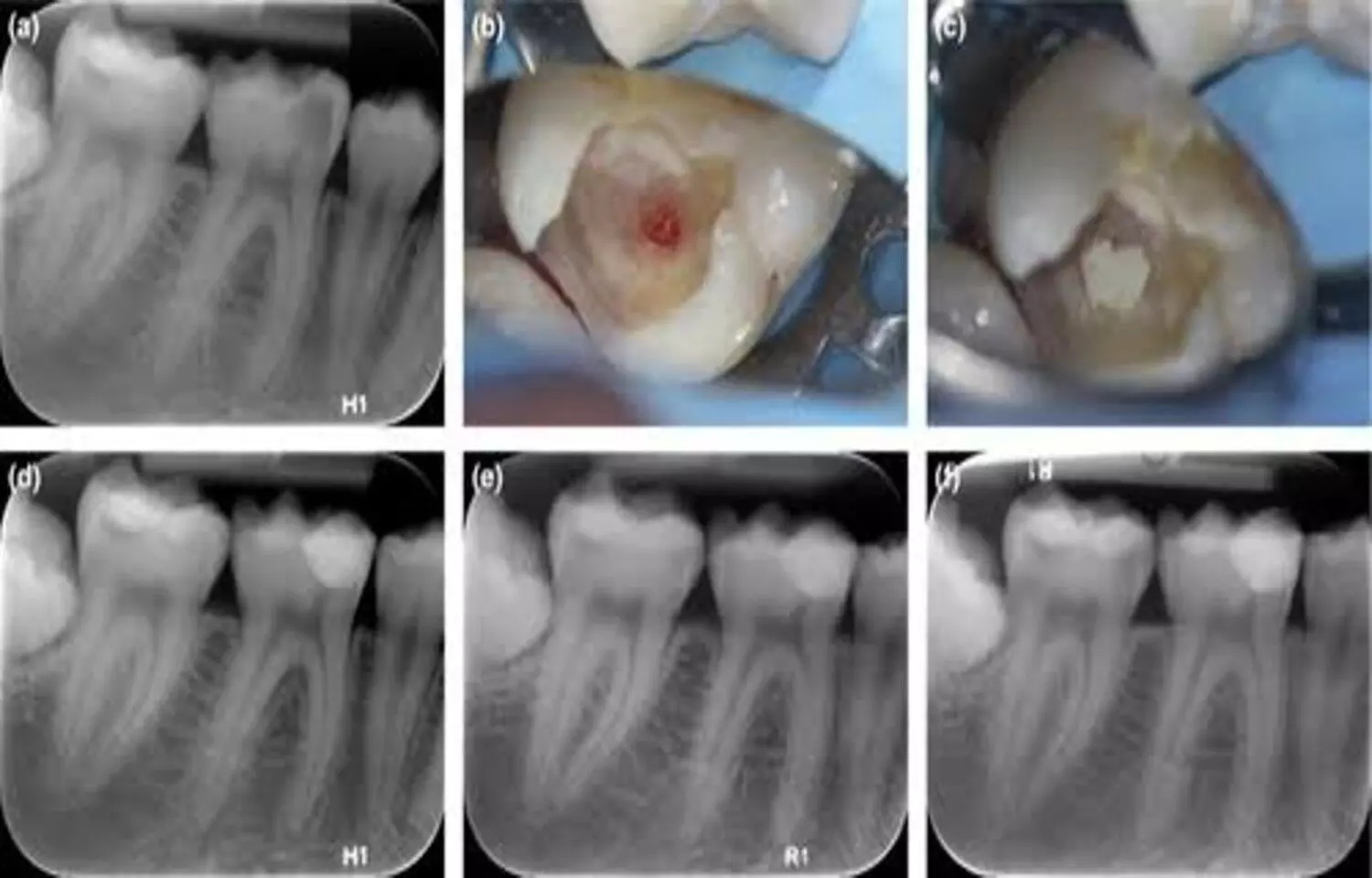


Researchers have discovered in a new research that full pulpotomy appears to provide better outcomes than selective caries removal (SCR) for extremely deep carious lesions, whereas both approaches show comparable effectiveness in deep lesions. However, the high proportion of extremely deep lesions included in the analysis may have influenced the overall findings.
The aim of the study was to compare selective caries removal (SCR) with full pulpotomy for managing deeply carious vital permanent teeth. The primary objective was to evaluate pulp survival and the need for further intervention over a 3-year period, and to assess the cost-effectiveness of both interventions.
This was an exploratory, two-arm, randomized clinical trial conducted on mature permanent teeth with deep or extremely deep carious lesions. A total of 120 vital teeth with no signs of symptomatic irreversible pulpitis or apical pathology were selected from 101 patients. They were randomly assigned to receive either SCR or a full pulpotomy. Clinical and radiographic evaluations were performed at 6 months, 1 year, and 3 years. Survival analysis was performed using Kaplan-Meier plots, while Cox proportional hazards regression was used to evaluate the effect of treatment on survival over time. Economic evaluation was also conducted from both healthcare and societal perspectives.
At the 3-year follow-up, 44/58 teeth in the SCR group and 37/55 teeth in the pulpotomy group were available for analysis. At the end of the study period, overall, 79% of treated teeth did not require further intervention. Failures were higher in the SCR group than in the pulpotomy group (29.5% vs 10.8%; p = 0.039), and survival rates were lower in the SCR group (74.1% vs 89.1%; p = 0.041 adjusted rates). Time-to-event analysis suggested a higher hazard of failure with SCR, although this was not statistically significant (adjusted HR = 2.58; 95% CI 0.80–8.30). Full pulpotomy, despite higher initial costs, was more cost-effective, becoming favorable at willingness-to-pay thresholds of approximately US$917 and US$928 per RCT/extraction avoided, from healthcare and societal perspectives, respectively.
Full pulpotomy appears more effective than SCR in extremely deep lesions, while outcomes in deep lesions remain comparable. However, a large proportion of lesions were extremely deep, which may have influenced these findings.
Reference:
Gugnani, N., Gugnani, S. Selective caries removal or pulpotomy: which approach is better for ‘deep’ carious lesions?. Evid Based Dent (2026). https://doi.org/10.1038/s41432-026-01235-x
Keywords:
Full, Pulpotomy, Superior, selective caries, removal, Extremely, Deep Carious Lesions, Study, Gugnani, N., Gugnani, S, Evidence-Based Dentistry