Herbal and Chlorhexidine Mouthwashes May Improve Oral Oxidative Balance: Study
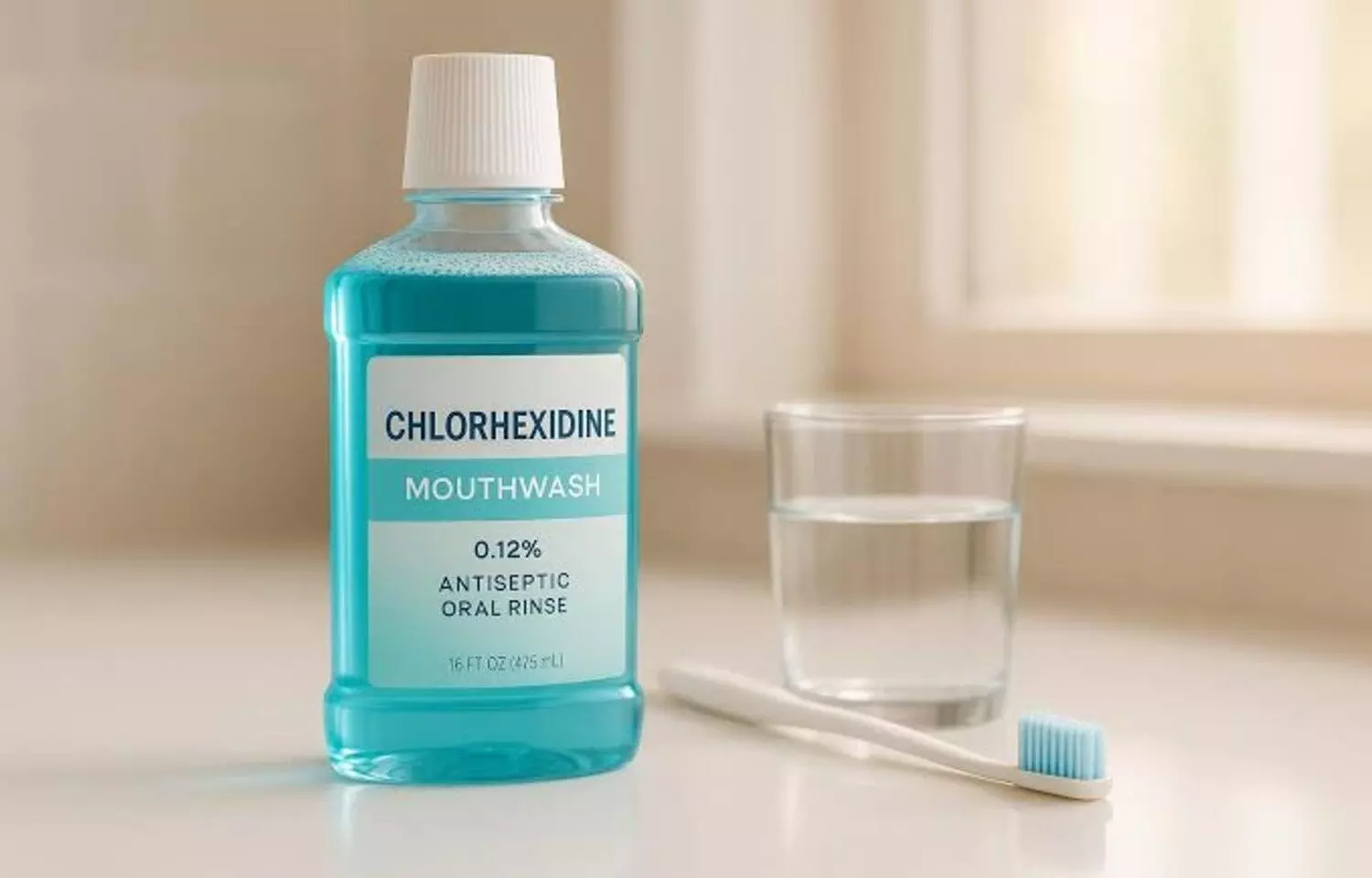


According to a new study, herbal and chlorhexidine mouthwashes were associated with changes in salivary uric acid levels, suggesting improved oxidative balance in the oral cavity. They were also associated with improvements in clinical oral parameters, supporting further research into their potential role in managing oxidative stress-related oral conditions.
The study compared the effects of herbal mouthwash and 0.2% Chlorhexidine mouthwash on salivary uric acid, a primary endogenous salivary antioxidant biomarker, along with plaque index and gingival index. To the best of our knowledge, very few in vivo studies have examined the association between Chlorhexidine use and salivary antioxidant marker changes, highlighting the exploratory nature of the present study.
This double blinded clinical trial was performed over a period of 10 days on 28 participants with mild to moderate gingivitis. They were randomly allocated into two groups (n = 14 each). Group A received herbal mouthwash and Group B received 0.2% Chlorhexidine mouthwash. Unstimulated saliva was collected at baseline and after 10 days of mouthwash use for the estimation of salivary uric acid levels. Plaque and gingival conditions were assessed using the Silness and Loe plaque index, Loe and Silness gingival index respectively.
A significant increase in salivary uric acid levels was observed in both groups following the use of mouthwash for 10 days (p < 0.001). However, the variation in uric acid changes between two groups was not statistically significant (p = 0.414). Both mouthwashes demonstrated similar effectiveness in reducing plaque and gingival inflammation, with no statistically significant differences observed between the groups.
The findings suggest a potential association between the use of herbal and Chlorhexidine mouthwashes and changes in salivary uric acid levels, which reflect improved oxidative balance in the oral cavity, along with improvements in clinical oral parameters. This supports further exploration of their clinical relevance in managing oxidative stress–related oral conditions.
Reference:
S. P. S, M. R. Khairnar, K. M. Palandurkar, et al., “ Effect of Herbal Mouthwash and 0.2% Chlorhexidine Mouthwash on Salivary Uric Acid and Oral Health—A Randomized Controlled Trial,” International Journal of Dental Hygiene (2026): 1–7, https://doi.org/10.1111/idh.70150.
Keywords:
Herbal, Chlorhexidine, Mouthwashes, Improve, Oral, Oxidative, Balance, Study, S. P. S, M. R. Khairnar, K. M. Palandurkar