
- Home
- Medical news & Guidelines
- Anesthesiology
- Cardiology and CTVS
- Critical Care
- Dentistry
- Dermatology
- Diabetes and Endocrinology
- ENT
- Gastroenterology
- Medicine
- Nephrology
- Neurology
- Obstretics-Gynaecology
- Oncology
- Ophthalmology
- Orthopaedics
- Pediatrics-Neonatology
- Psychiatry
- Pulmonology
- Radiology
- Surgery
- Urology
- Laboratory Medicine
- Diet
- Nursing
- Paramedical
- Physiotherapy
- Health news
- Fact Check
- Bone Health Fact Check
- Brain Health Fact Check
- Cancer Related Fact Check
- Child Care Fact Check
- Dental and oral health fact check
- Diabetes and metabolic health fact check
- Diet and Nutrition Fact Check
- Eye and ENT Care Fact Check
- Fitness fact check
- Gut health fact check
- Heart health fact check
- Kidney health fact check
- Medical education fact check
- Men's health fact check
- Respiratory fact check
- Skin and hair care fact check
- Vaccine and Immunization fact check
- Women's health fact check
- AYUSH
- State News
- Andaman and Nicobar Islands
- Andhra Pradesh
- Arunachal Pradesh
- Assam
- Bihar
- Chandigarh
- Chattisgarh
- Dadra and Nagar Haveli
- Daman and Diu
- Delhi
- Goa
- Gujarat
- Haryana
- Himachal Pradesh
- Jammu & Kashmir
- Jharkhand
- Karnataka
- Kerala
- Ladakh
- Lakshadweep
- Madhya Pradesh
- Maharashtra
- Manipur
- Meghalaya
- Mizoram
- Nagaland
- Odisha
- Puducherry
- Punjab
- Rajasthan
- Sikkim
- Tamil Nadu
- Telangana
- Tripura
- Uttar Pradesh
- Uttrakhand
- West Bengal
- Medical Education
- Industry
Mepivacaine Provides Greater Short-Term Relief Than Dry Needling and Local Lidocaine for Myofascial Pain: Study
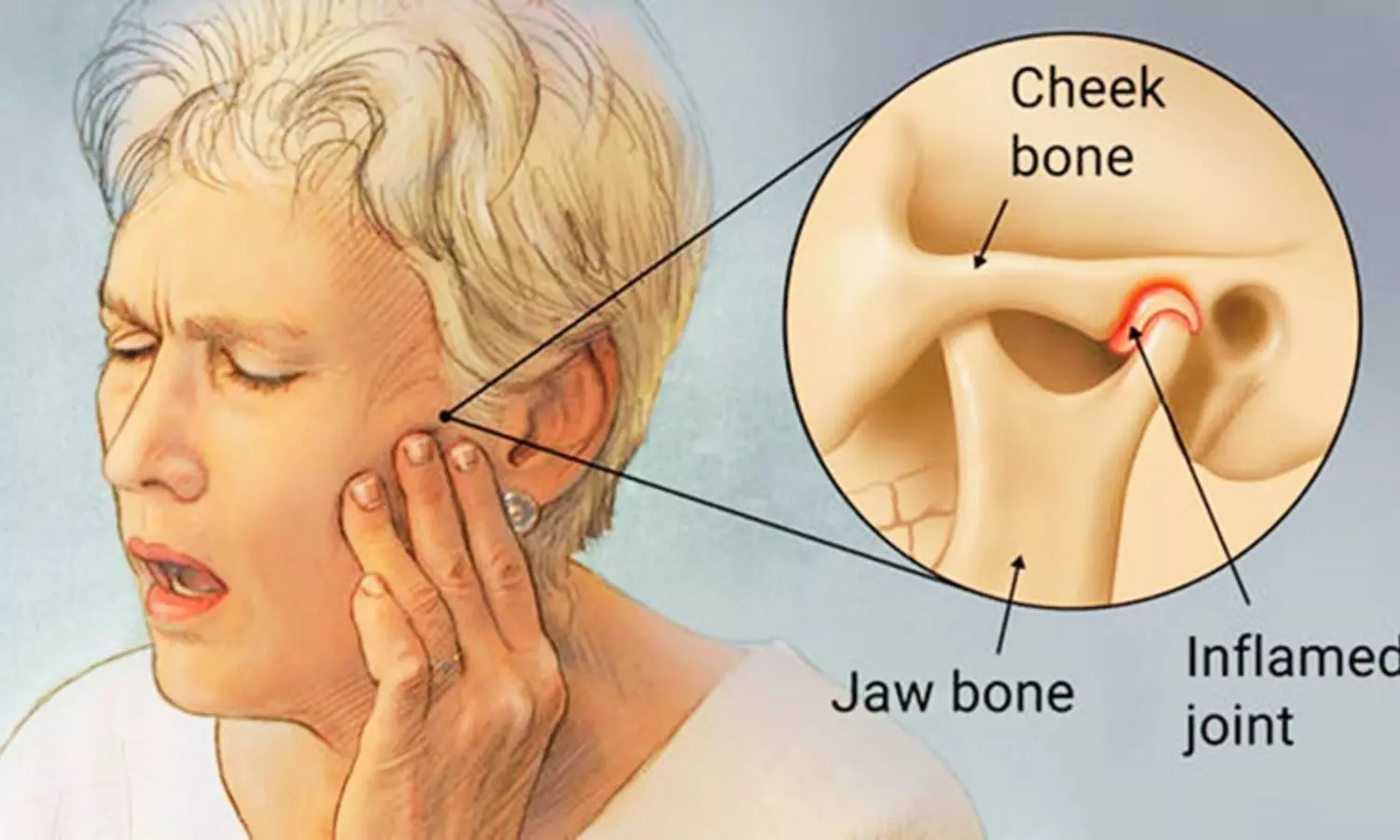
Turkey: A study comparing dry needling and local anesthetic injections for myofascial pain found that all three treatment modalities significantly reduced pain and improved psychological well-being during the one-week follow-up period. Among the treatments, mepivacaine produced greater short-term pain relief than dry needling.
The findings suggest that both lidocaine and mepivacaine injections are effective options for the short-term management of myofascial pain. However, longer-term studies are needed to determine the durability of these benefits and to better understand the comparative advantages of each treatment approach. The study was published in BMC Oral Health by Sümer Münevveroğlu and colleagues from the Department of Oral and Maxillofacial Surgery, Faculty of Dentistry, Istanbul Medipol University, Turkey.
- All three treatment modalities significantly reduced pain, depressive symptoms, and temporomandibular disorder (TMD) symptoms.
- Pain intensity improved significantly over time, with treatment type influencing the degree of pain reduction.
- Mepivacaine produced the greatest reduction in pain scores, with a mean decrease of 5.36 points.
- Pain relief with mepivacaine was significantly greater than that achieved with dry needling.
- Lidocaine also significantly reduced pain, but its effect was not significantly different from that of dry needling.
- The findings suggest that mepivacaine may provide superior short-term pain relief compared with dry needling.
- No significant differences were observed among the three treatment groups in improvements in depressive symptoms.
- No significant differences were found among the groups in reductions in self-reported TMD symptom severity.
- All three interventions were similarly effective in improving the psychological and functional aspects of myofascial pain during the short-term follow-up period.

MSc. Biotechnology
Medha Baranwal holds a Bachelor’s degree in Biomedical Sciences from the University of Delhi and a Master’s degree in Biotechnology from Amity University. Since May 2018, she has been contributing to Medical Dialogues, writing and editing medical news articles that translate complex research into clear, accessible information for healthcare professionals.
Dr Kamal Kant Kohli-MBBS, DTCD- a chest specialist with more than 30 years of practice and a flair for writing clinical articles, Dr Kamal Kant Kohli joined Medical Dialogues as a Chief Editor of Medical News. Besides writing articles, as an editor, he proofreads and verifies all the medical content published on Medical Dialogues including those coming from journals, studies,medical conferences,guidelines etc. Email: drkohli@medicaldialogues.in. Contact no. 011-43720751

