Metronidazole and amoxycillin most Effective Antibiotic Regimens for Peri-Implantitis, suggests study
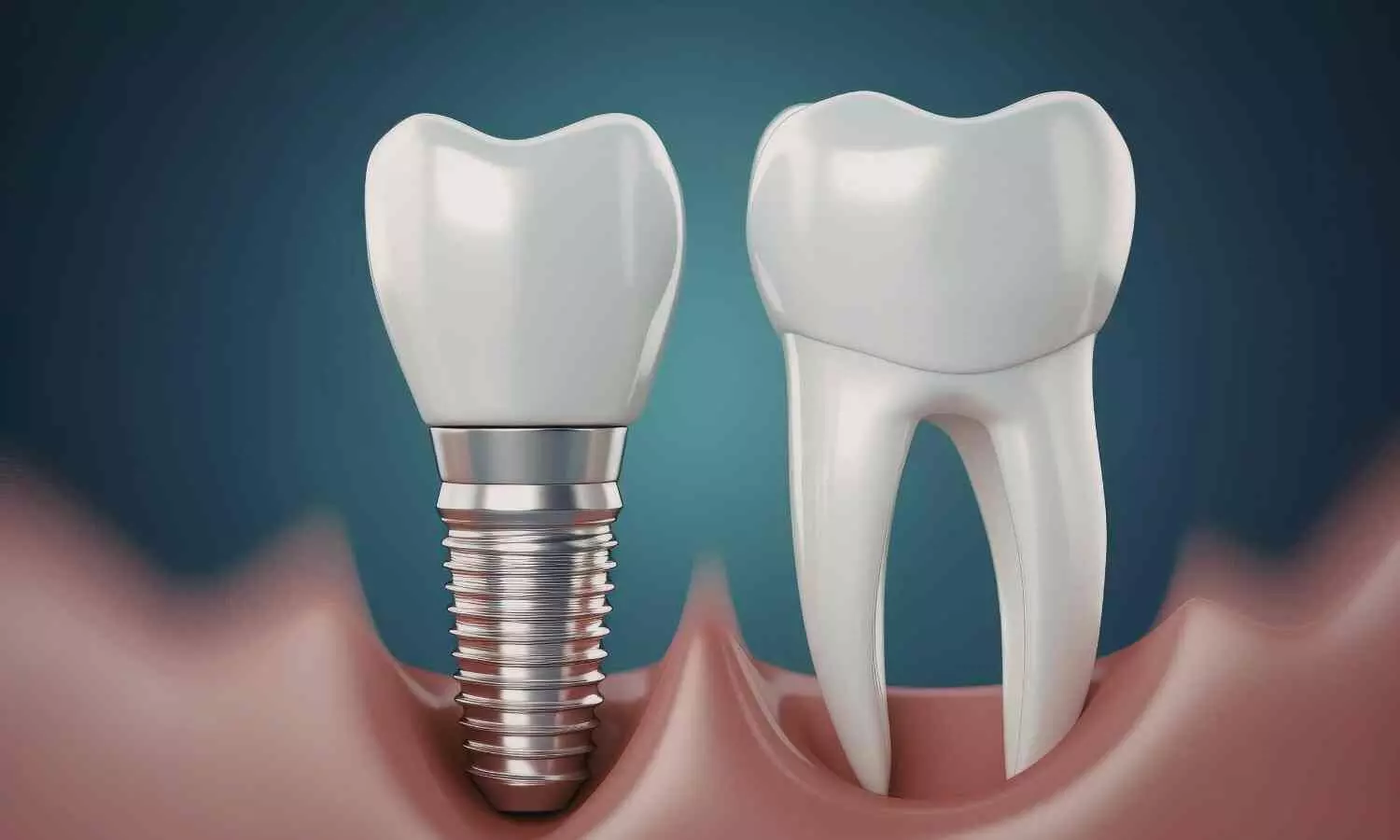


Metronidazole as an adjunct to non-surgical therapy, and its combination with amoxicillin alongside open flap debridement, emerged as the most effective treatment strategies for peri-implantitis. Although local antibiotic applications improve clinical parameters, they are generally less effective than systemic therapies. Further well-structured clinical trials with standardized protocols and microbiological focus are needed to optimize management approaches. The study was published in the Periodontology 2000 journal by Jamil A. and colleagues.
In order to determine the effectiveness of these treatments, an exhaustive literature review was performed in five major databases, along with the gray literature, concluding in early 2026. In the current study, data from 21 clinical studies using 1,718 participants who had dental implants were considered. In order to compare a wide range of antibiotics, whether used systemically or locally, using mechanical debridement (MD) as an independent variable in relation to each other, a random effects model was applied for both pairwise and network meta-analysis. Five key factors related to the clinical outcomes were taken into account, which included Probing Pocket Depth (PPD), Clinical Attachment Level (CAL), Bleeding on Probing (BoP), Plaque Index (PLI), and Marginal Bone Loss (MBL).
Key findings:
- The significant results from the meta-analysis in question can be defined by precise numerical benefits of the use of each antibiotic in question among 1,718 total implants.
- The systemic metronidazole along with amoxicillin has shown to be the most beneficial when decreasing PPD and MBL during surgery.
- In cases outside of surgeries, metronidazole performed as the best choice in terms of improving CAL and MBL.
- However, while there were positive effects in regard to clinical parameters of using antibiotics, there was no uniformity in the results for microbiological effects, which implies that the form of administering the antibiotics as well as the type of procedure affects its ability to reduce polymicrobial flora.
The use of systemic antibiotics in treating peri-implantitis cases shows a definite advantage in improving the stability of failing dental implants. Based on the research results, metronidazole has been established as the best adjunct in non-surgical approaches while the association of metronidazole and amoxicillin has been identified as good option in open flap surgery procedures. Local antibiotics in microsphere form are still valid treatment choices but are not as effective as systemic antibiotics according to the findings from the meta-analysis presented here.
Reference:
Shibli JA, Moraschini V, Cotrim KC, et al. Systemic and local antibiotics in the management of peri-implantitis: A systematic review and network meta-analysis. Periodontology 2000. 2026;00:1-21. doi:10.1111/prd.70029