
Needling vs Non-Needling Therapies: New Meta-Analysis Reveals Most Effective Treatment for TMD Pain
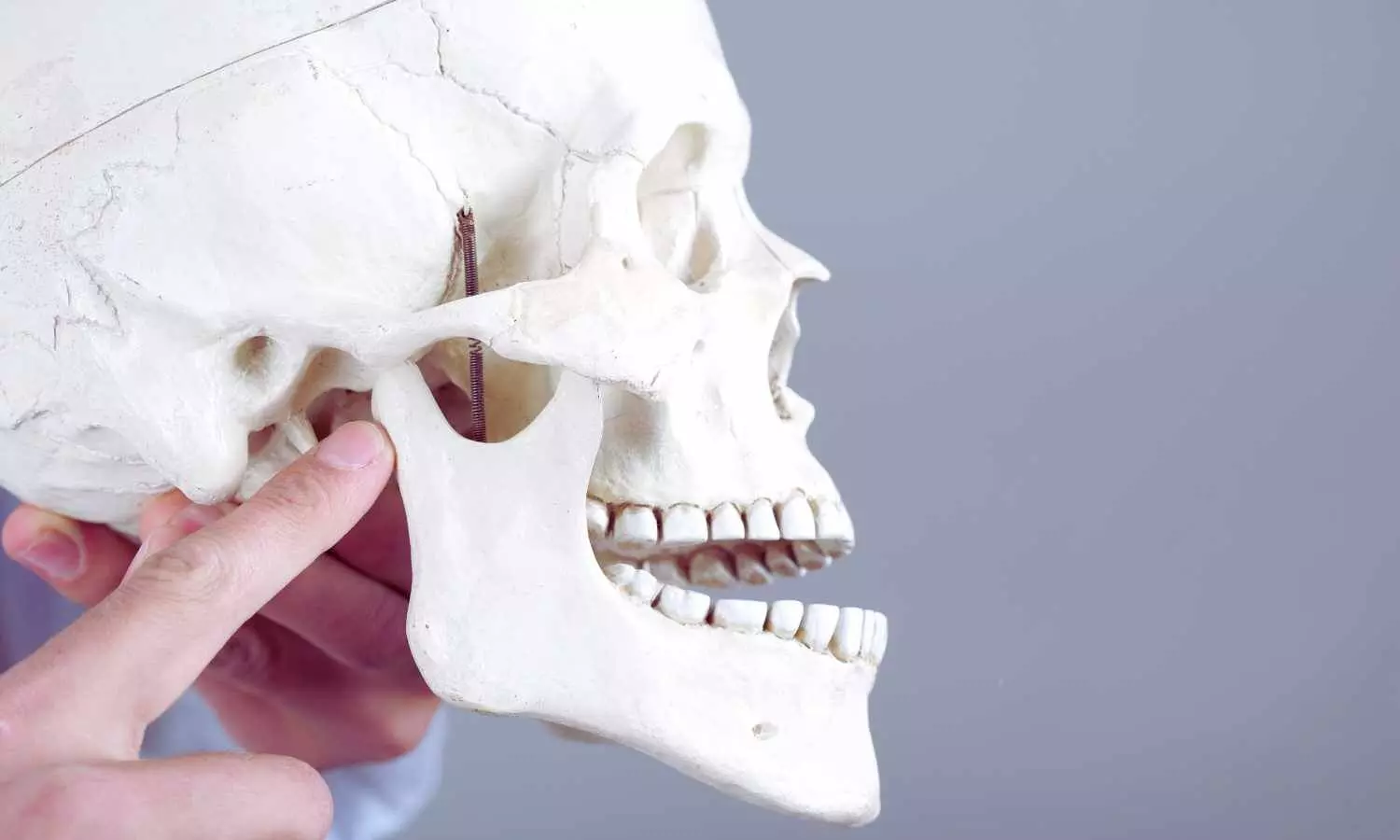


China: Researchers from Wuhan University have conducted a comprehensive Bayesian network meta-analysis comparing needling and non-needling therapies for temporomandibular disorders (TMD), offering new insights into which interventions deliver the most meaningful pain relief and functional improvement.
The study, published in the Journal of Pain Research, evaluated the performance of dry needling therapy (DNT), traditional acupuncture (TAT), acupuncture-based combined therapy (ACT), and several other conservative treatments commonly used for TMD.
The team systematically examined randomized controlled trials up to July 2025, focusing on adult patients receiving seven distinct conservative therapies. Along with needling-based techniques, the analysis incorporated cognitive behavioral therapy, comprehensive physiotherapy, and pharmacologic injection therapy, with comparisons anchored primarily to control interventions. Pain intensity, functional disability indices, maximal mouth opening, and overall treatment effectiveness served as key measurable outcomes.
The study revealed the following findings:
- A total of 37 randomized controlled trials with 2,581 participants were included in the analysis.
- Dry needling therapy (DNT) emerged as the most effective treatment for reducing pain, showing the greatest decrease in VAS pain scores with a mean difference of –1.61 compared to controls.
- The analgesic effect of DNT was stronger than that of traditional acupuncture and pharmacologic injection therapy.
- Both DNT and acupuncture-based combined therapy (ACT) achieved pain reduction levels that surpassed the minimal clinically important difference for TMD, indicating meaningful clinical benefit.
- ACT, which combines acupuncture with additional therapeutic modalities, showed the best overall functional improvement among all interventions.
- ACT reduced pain indices more effectively than traditional acupuncture and demonstrated the highest treatment efficacy rate, nearly doubling the improvement seen in control groups.
- ACT provided slight improvements in disability measures compared to traditional acupuncture, though the difference was minimal.
- None of the therapies evaluated—including DNT, ACT, and TAT—produced significant improvements in maximal mouth opening.
Cumulative ranking probabilities (SUCRA) reinforced these findings, placing DNT at the top for pain reduction and ACT as the preferred option for enhancing functional outcomes. Together, the results suggest that these two therapies may serve as complementary components within a multimodal, evidence-informed management strategy for TMD.
However, the authors advise caution. Most trials offered only short-term data, many were China-based, and variations in TMD types and treatment protocols introduced heterogeneity. Inconsistent blinding and limited adverse-event reporting also prevented a full safety assessment.
Despite these constraints, the study provides one of the most comprehensive comparative evaluations of TMD therapies to date. The consistency of findings across multiple outcomes and the application of a robust Bayesian framework enhance the reliability of the conclusions.
The authors call for larger, geographically diverse trials with standardized methodologies and extended follow-up to validate these promising results.
"Overall, the analysis highlights dry needling and acupuncture-based combined therapy as leading options for pain relief and functional enhancement in TMD, supporting their use as part of a holistic clinical management plan," they concluded.
Reference:
Ding X, Liao S, Li T, Qu W, Nie M. Comparative Efficacy of Needling and Non-Needling Therapies for Temporomandibular Disorders: A Bayesian Network Meta-Analysis. J Pain Res. 2025;18:6225-6242. https://doi.org/10.2147/JPR.S557353

Next Story