Patients with X-linked hypophosphatemia more prone to spontaneous dental abscesses and periodontal disease: Study
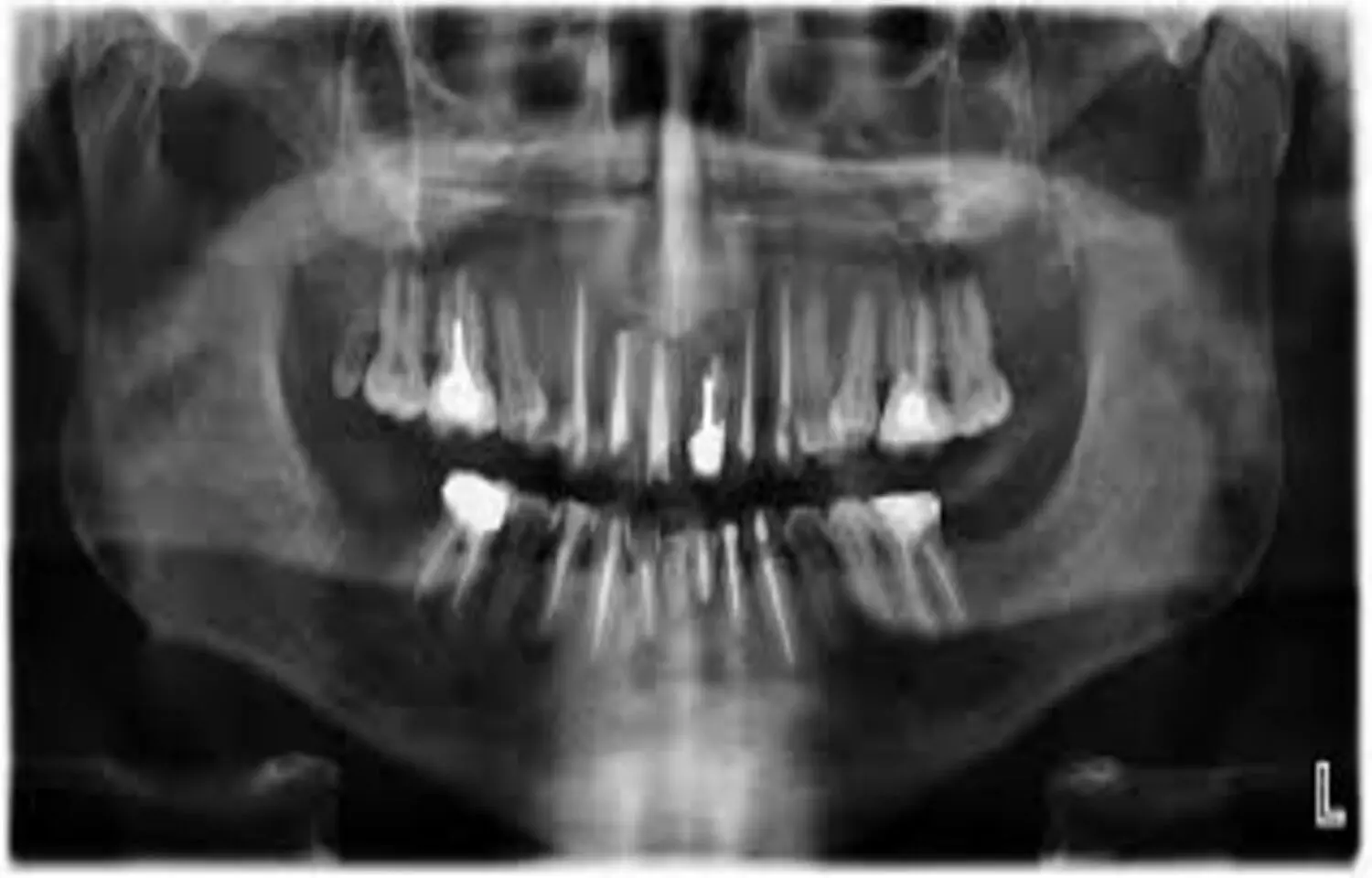


Researchers have found in a new research that patients with X-linked hypophosphatemia (XLH) are prone to spontaneous dental abscesses and periodontal disease, even in the absence of caries or trauma.
Recognizing key radiographic features-such as enlarged pulp chambers, taurodontism, open apexes, and thin dentin—-s essential to avoid misdiagnosis and unnecessary interventions. Early diagnosis, along with individualized preventive care and regular dental monitoring, plays a crucial role in minimizing complications and preventing premature tooth loss.
X-linked hypophosphatemic rickets (XLH) is a hereditary disorder caused by PHEX sequence variations, leading to excess fibroblast growth factor 23, chronic hypophosphatemia, and impaired mineralization of skeletal and dental tissues. Patients frequently have spontaneous periapical abscesses, taurodontism, periodontal disease, and delayed tooth eruption.
In this cross-sectional study, the authors evaluated the oral health of 17 participants aged 4 through 61 years with clinically and genetically confirmed X-linked hypophosphatemia. Standardized clinical examinations and radiographic assessments documented dental findings, periodontal status, and decayed, missing, and filled teeth index scores (calculated as the sum of decayed, missing, and filled permanent teeth). Spontaneous dental abscesses were reported in 12 participants (70.6%).
Periodontitis was diagnosed in 10 participants (77%), taurodontism was diagnosed in 5 participants (29%), and root fusion was diagnosed in 2 participants (18%). Adults had at least 1 tooth with enlarged pulp chambers, prominent pulp horns, thin enamel and dentin, or open apexes. The mean decayed, missing, and filled teeth index score among adults was 14, exceeding the national mean in Brazil.
Patients with X-linked hypophosphatemia exhibit a high prevalence of dental complications, particularly spontaneous abscesses and periodontal disease. These findings underscore the importance of early diagnosis and continuous follow-up to effectively monitor and preserve oral health. Patients with X-linked hypophosphatemia often develop spontaneous dental abscesses and periodontal disease, even in teeth without caries or trauma. Early recognition of radiographic features such as enlarged pulp chambers, taurodontism, open apexes, and thin dentin helps clinicians avoid misdiagnosis and unnecessary treatments. Dentists should implement tailored preventive strategies and schedule frequent monitoring to reduce complications and prevent early tooth loss.
Reference:
Buzato J, De Castro Santos V, Botelho Pires de Campos M. Oral assessment of patients with X-linked hypophosphatemic rickets. The Journal of the American Dental Association, 2026; 0