
Smartphone-Based Teledentistry Shows Promise for Caries Screening in Schoolchildren: Study
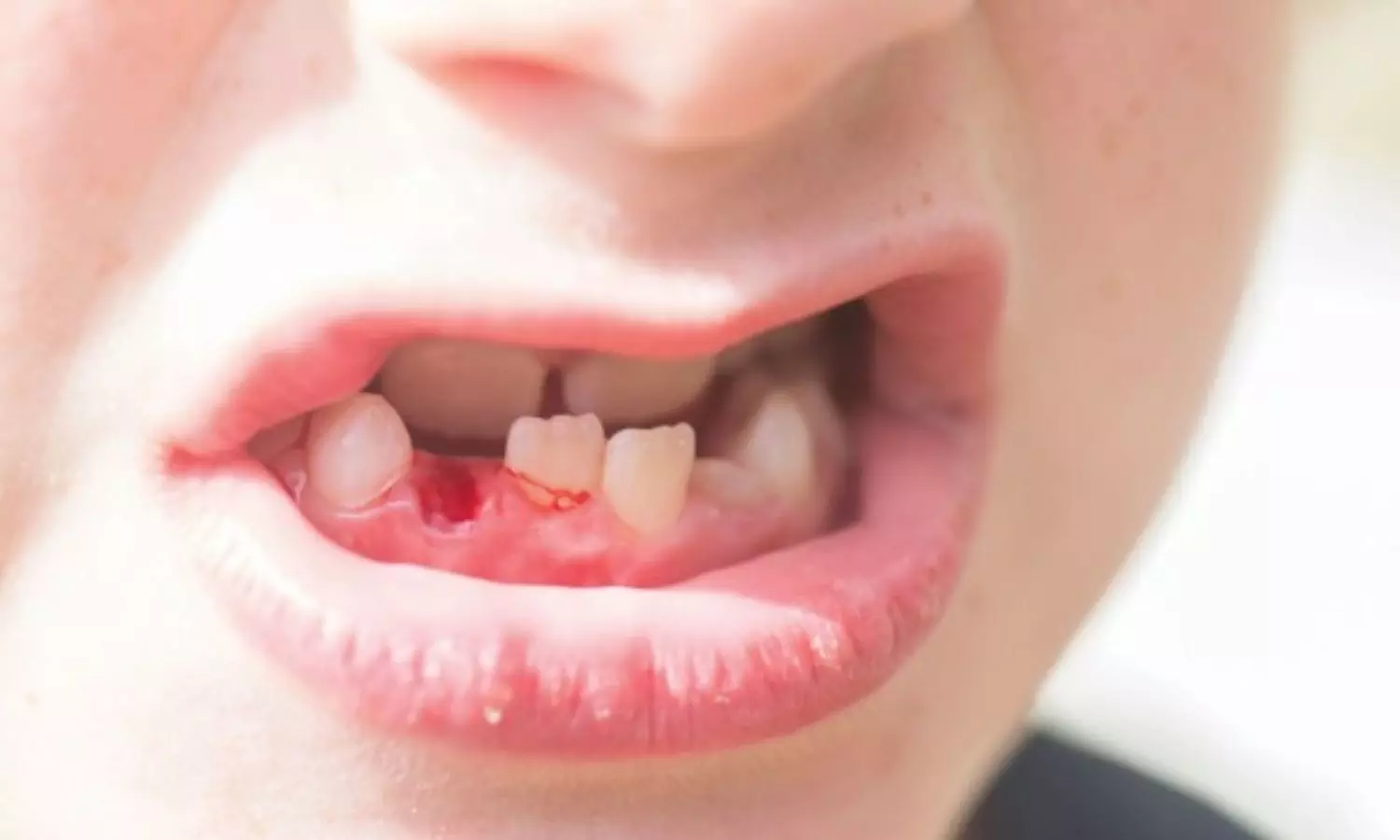


A new study published in the journal of BMC Oral Health showed that teledentistry using smartphones showed a high level of specificity and satisfactory diagnostic accuracy in identifying dental decay in intermediate schoolchildren with a combination of baby and permanent teeth.
Timely identification of dental decays is crucial to halt the advancement of the disease and lessen the load of treatment. Educational institutions frequently have restricted availability of traditional dental examinations, underscoring the necessity for efficient methods to aid in early detection and recommendation. The primary objective of this research was to assess the precision of smartphone-utilized teledentistry in diagnosing dental cavities in students attending schools in Makkah, Saudi Arabia.
A study on diagnostic precision was carried out with 12-13-year-old students from ten middle schools. 336 students participated in both an in-person dental examination and a remote evaluation of intraoral images taken during the same appointment following a set procedure. Tooth decay was evaluated using the International Caries Detection and Assessment System (ICDAS) and examined per tooth to determine the most severe score. Various diagnostic accuracy metrics like sensitivity, specificity, positive predictive value (PPV), negative predictive value (NPV), overall accuracy, and Cohen’s kappa were computed. Additionally, a Receiver Operating Characteristic (ROC) analysis was conducted, and the average number of decayed, missing, and filled teeth (DMFT/dmft) was compared between the two methods using paired t-tests.
The remote evaluation showed a sensitivity of 77.4% and specificity of 96.6%, resulting in an overall accuracy of 93.4% and substantial agreement with the clinical assessment (kappa = 0.76). The ROC curve had an area under it of 0.774. The average DMFT for adult teeth was slightly lower in the remote assessment compared to the clinical evaluation (3.47 ± 2.71 vs. 3.80 ± 2.61; p < 0.001), while there was no significant variance observed for dmft in baby teeth.
Overall, dental decay continues to be a common public health issue in Saudi Arabia among schoolchildren, impacting both baby and adult teeth with a moderate to high level of disease. The use of teledentistry via smartphones showed reliable results similar to in-person clinical exams and satisfactory diagnostic accuracy when compared to the standard clinical examination. These results suggest that smartphone-based teledentistry could be beneficial as a tool for screening and prioritizing in oral health programs in schools for populations similar to those studied.
Reference:
Qari, A. H., Almashhadani, S., Nassar, A. A., Bamaga, I. K., Aboalshamat, K., Alsamman, R. M., Sheiko, O., Dahlawi, A., Alandanusi, B., Almobarak, O., Albadah, A., Elmalik, R., Bugis, A. A., Patel, J., & Estai, M. (2026). Accuracy of teledentistry in detecting dental caries among school children in Makkah City: a diagnostic comparative study. BMC Oral Health, 26(1). https://doi.org/10.1186/s12903-026-09613-8

