
Painful Genital Ulcers May Signal Rare Leprosy Complication, Case Report
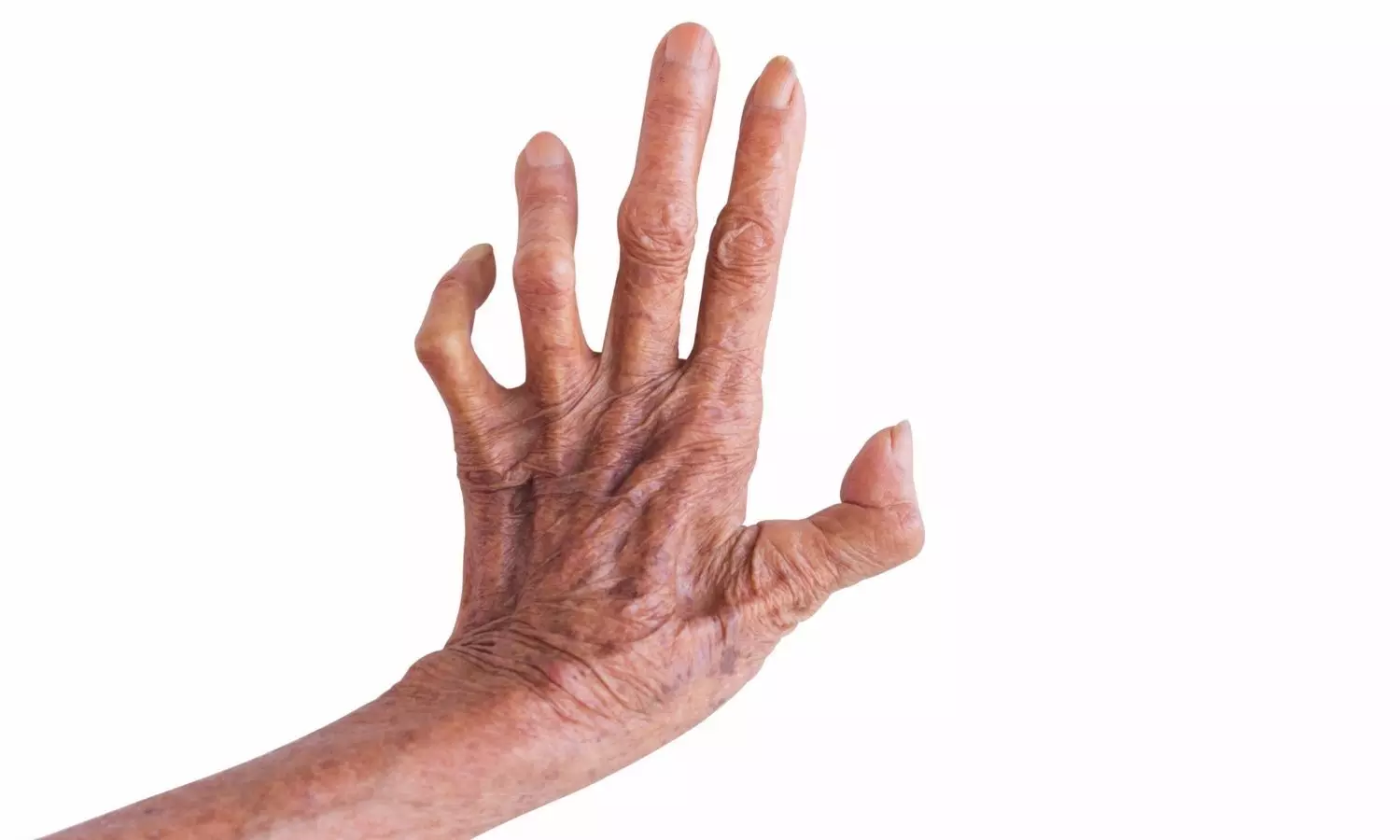


A recent case report shows that painful genital ulcers can actually be a rare complication of leprosy, rather than a common sexually transmitted infection. This unusual symptom serves as a vital warning for doctors to look carefully and avoid making the wrong diagnosis.
These findings of the case report are published in the Indian Journal of Leprosy in February 2026 by Dr. Sushantika and colleagues at the All India Institute of Medical Sciences.
The documented instance holds profound significance for daily clinical practice because it alerts healthcare providers to the deceptive nature of such lesions. Misidentifying these ulcers as common venereal diseases frequently causes severe diagnostic delays and subsequently leads to inappropriate therapeutic interventions. Consequently, dermatologists and general practitioners must maintain a high index of suspicion when evaluating genital sores, especially for patients residing in leprosy-endemic geographical regions.
A twenty-five-year-old male with a history of joint pain initially presented with recurrent tender erythematous nodules and a necrotic penile blister, prompting clinicians to perform extensive investigations, including a slit-skin smear and a Fite-stained punch biopsy that ultimately revealed numerous lepra bacilli within dense lymphohistiocytic infiltrates. Following the definitive diagnosis of lepromatous leprosy complicated by a type 2 lepra reaction, the medical team successfully treated the patient using multibacillary-multidrug therapy (MB-MDT) alongside systemic prednisolone, which facilitated complete ulcer healing without scarring and allowed for stable ongoing monthly follow-ups.
The underlying pathophysiology of this specific reaction involves a complex type III hypersensitivity cascade, where an influx of neutrophils, immune complex deposition, and a Th1-skewed cytokine profile drive intense systemic inflammation across the body. Although the exact mechanism for isolated genital involvement remains partially obscured, medical experts hypothesize that the pronounced vascularity of penile tissues significantly increases their inherent susceptibility to immune-complex deposition and subsequent vasculitic injury during these severe inflammatory episodes.
The remarkable case fundamentally expands our current medical understanding by definitively demonstrating that Hansen’s disease can bypass typical cutaneous boundaries to involve highly atypical anatomical sites, demanding broader diagnostic perspectives. To ensure optimal patient care and guide future clinical research, healthcare practitioners must strictly expand their differential diagnoses for venereal-appearing ulcers and incorporate detailed histopathological screenings to prevent unnecessary secondary infections, permanent scarring, and long-term functional impairment.
Reference
Sushantika, Saini K, Phulware RH et al (2026). Genital Ulceration due to Erythema Nodosum Leprosum in a Young Male: A Case Report. Indian J Lepr. 98: 201-205.
