
Precision Diagnostics Guide Cure of Rare Nocardia Foot Infection, Case Report
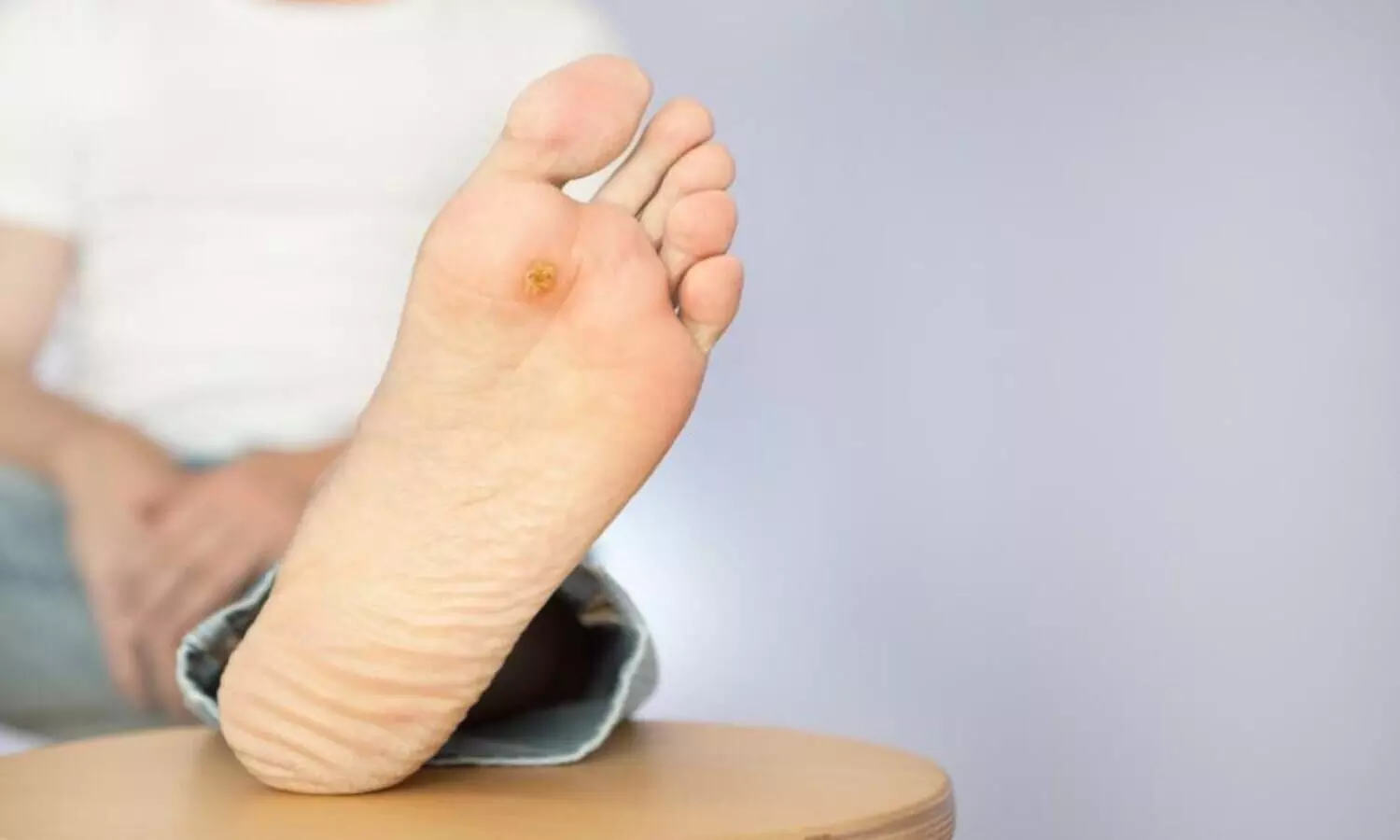


A recent case report shows the successful diagnosis and treatment of a rare foot actinomycetoma caused by Nocardia otitidiscaviarum in an immunocompetent patient.
The findings of the case report are published in the Indian Journal of Dermatology by Bhanu Kanwar and a multidisciplinary team of medical specialists from Himachal Pradesh, India.
An immunocompetent 41-year-old female farmer presented with an eight-month history of a painful, swollen right foot with multiple discharging sinuses. While ultrasound and histopathology showed subcutaneous abscesses and non-specific inflammation, direct microscopy of the purulent discharge revealed gram-positive, partially acid-fast filamentous bacilli, pointing to actinomycetoma and ruling out clinical mimics.
Following MALDI-TOF identification of Nocardia otitidiscaviarum, susceptibility-guided treatment with the combination Welsh regimen was initiated. This targeted antibiotic therapy achieved a complete microbiological cure within five cycles.
Implications for Clinicians
Nocardia otitidiscaviarum is a rare cause of primary cutaneous nocardiosis, accounting for only 1.37% to 1.9% of Indian cases. Because different Nocardia species exhibit variable resistance patterns, particularly to beta-lactams, rapid and precise species identification using tools like MALDI-TOF MS is crucial. Implementing targeted combination antimicrobial therapy based on susceptibility profiles ensures rapid clinical clearance and prevents disease progression.
Reference
Kanwar, B., Neha, G., Vibha, T., Vipin, K., Mudita, G., Sarma, M., & Kumar, S. (2026). Isolation of nocardia Otitidiscaviarum from a case of cutaneous nocardiosis: A rare case report. Indian Journal of Dermatology, 71, 333
