Adalimumab Shown Effective and Safe in Pyoderma Gangrenosum in real world study
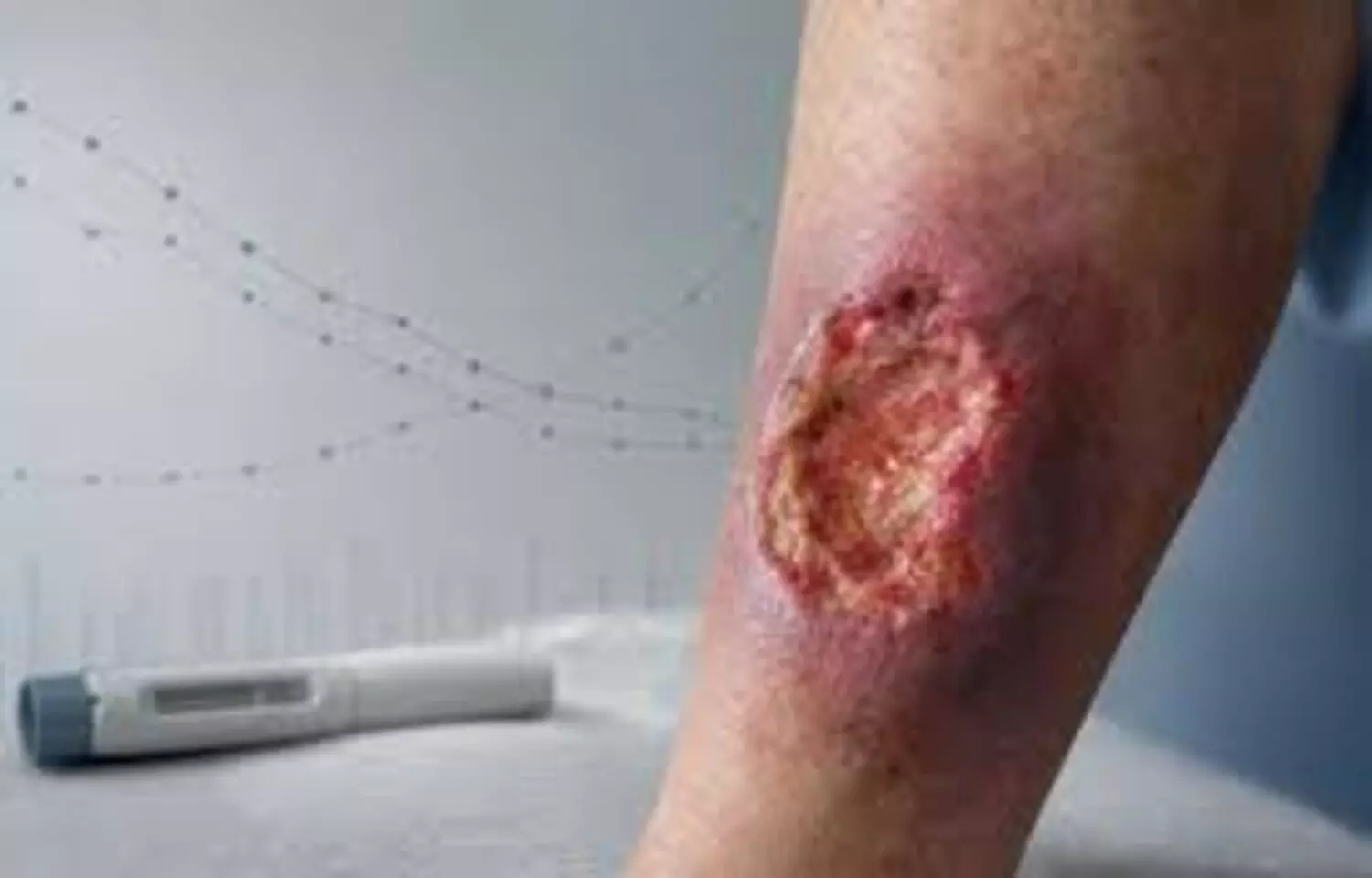


Researchers have found in a real-world study that adalimumab had no new safety concerns and was effective in treating a diverse population of patients with pyoderma gangrenosum (PG). The treatment also provided significant pain relief and remained beneficial even in patients receiving concurrent systemic steroid therapy. These findings support adalimumab as a standard treatment option for pyoderma gangrenosum.
Pyoderma gangrenosum (PG) is a rare, autoinflammatory skin disorder characterized by painful ulcers, with scarce treatment options. Adalimumab is a recently approved tumor necrosis factor-alpha inhibitor for pyoderma gangrenosum, for which real-world data remain limited. This study evaluated the long-term safety and effectiveness of adalimumab in patients with pyoderma gangrenosum.
This multicenter, prospective, open-label, single-arm, postmarketing observational study enrolled patients with pyoderma gangrenosum who were prescribed adalimumab and were monitored for 52 weeks. The primary outcome was safety, assessed as the incidence proportion of infections reported as adverse drug reactions (ADRs). Secondary outcomes included other safety measures and effectiveness, estimated using the Physician Global Assessment (PGA), Investigator Inflammation Assessment, and Verbal Rating Scale (VRS) for pain. Relapse rates after remission and changes in pyoderma gangrenosum subtype during the observation period were also examined.
Sixty-seven patients with pyoderma gangrenosum were enrolled in the study. The mean age was 61.9 years, and 77.6% of the patients had comorbidities, including diabetes mellitus (19.4%), ulcerative colitis (16.4%), and hypertension (14.9%); 59.7% were concomitantly receiving systemic steroids. The PG subtypes among the enrolled patients were ulcerative (n = 62), pustular (n = 2), vegetative (n = 2), and bullous (n = 1). The incidence proportions of infections reported as ADRs and serious ADRs were 14.9% and 9.0%, respectively. The proportions of patients with a PGA score (total lesions) of 0/1 at weeks 12, 26, and 52 were 36.0%, 46.2%, and 57.7%, respectively, and with a VRS score of 0 at weeks 26 and 52 were 45.7% and 52.4%, respectively. No relapses occurred among patients who discontinued treatment due to symptom improvement.
This real-world study demonstrated no new safety concerns with adalimumab and demonstrated its effectiveness, including pain relief, across a heterogeneous pyoderma gangrenosum population. These findings support its use as a standard treatment for pyoderma gangrenosum, including in patients receiving concomitant systemic steroid therapy.
Reference:
Yamamoto, T., Tanizaki, H., Yamasaki, K. et al. Safety and Effectiveness of Adalimumab for the Treatment of Pyoderma Gangrenosum: A 52-Week Real-World Prospective Observational Study. Dermatol Ther (Heidelb) (2026). https://doi.org/10.1007/s13555-026-01772-4
Keywords:
Safety, Effectiveness, Adalimumab, Treatment, Pyoderma, Gangrenosum, 52-Week, Real-World, Prospective Observational, Study, Yamamoto, T., Tanizaki, H., Yamasaki, K.