
Advances in Understanding Cutaneous Lupus Erythematosus Drive New Treatment Options, reveals research
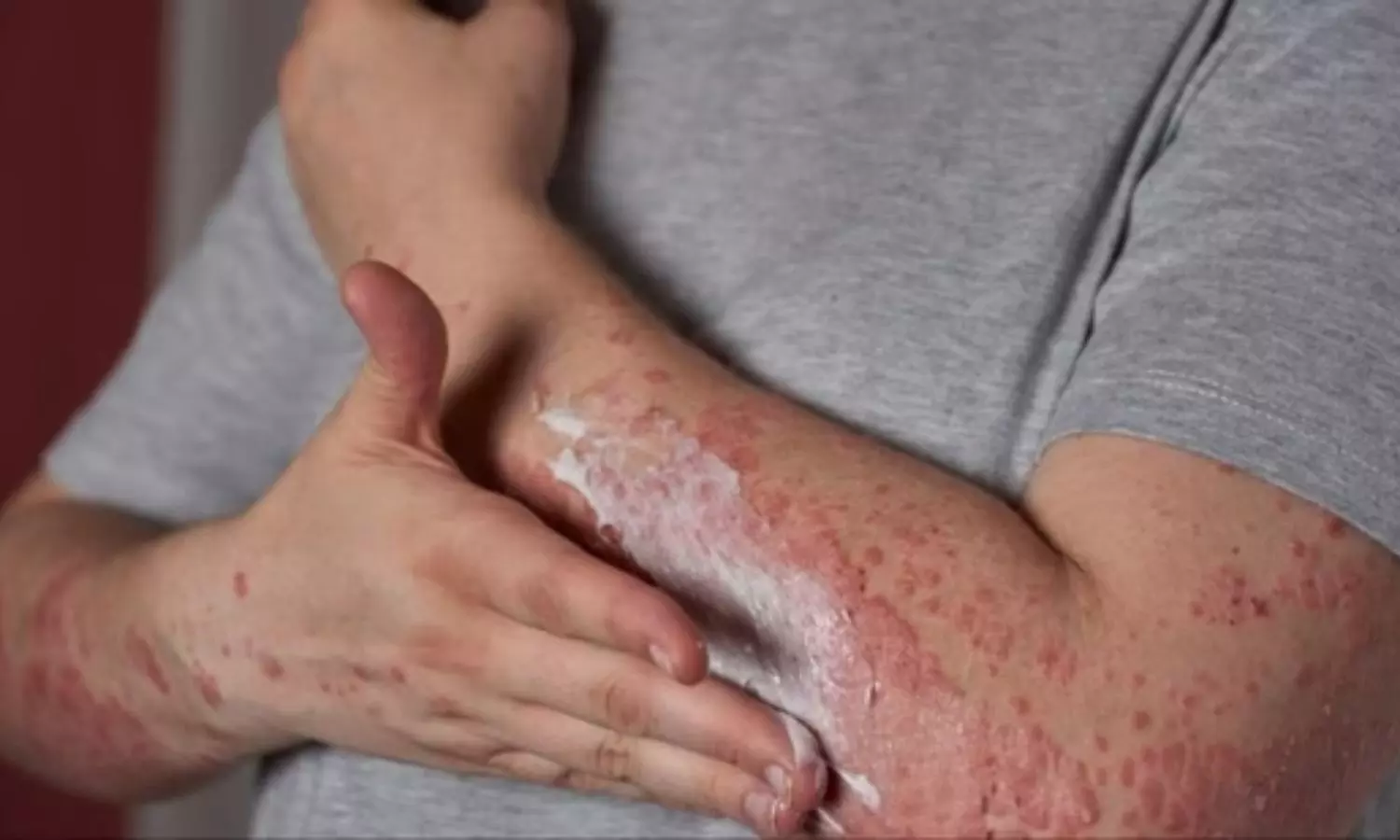


A new study published in the journal of Current Opinion in Rheumatology showed that numerous potential novel treatments have been developed as a result of improved understanding of the pathophysiology of cutaneous lupus erythematosus (CLE).
A strong type I interferon (IFN) signature is the primary cause of CLE, a persistent and frequently deforming autoimmune skin condition. Keratinocyte destruction, local autoantibody formation, and the strong migration of inflammatory cells into the skin are all facilitated by overexpression of type I IFNs, especially IFN-alpha and IFN-kappa. Traditionally, broad immunosuppressants and antimalarials have been used to treat resistant CLE. Unfortunately, these traditional medicines have serious systemic toxicities and frequently provide insufficient responses. Recent therapeutic developments, however, have effectively changed the paradigm of treatment to focus on highly specific biologic medicines that directly block the type I IFN inflammatory cascade.
Anifrolumab, a fully human monoclonal antibody that binds to the type I IFN receptor subunit 1 (IFNAR1) and totally blocks the signaling of all type I IFNs, is the most important development in this therapeutic area. Recent clinical studies and real-world data show its remarkable effectiveness in refractory CLE, often generating fast and prolonged cutaneous clearance, despite its initial approval for SLE. Additionally, new treatments are focusing more and more on the cellular source of these cytokines. In order to stop IFN production at its source, novel biologics like litifilimab (BIIB059) selectively target plasmacytoid dendritic cells (pDCs). When combined, these focused approaches signify a revolutionary age of precision medicine for the treatment of severe cutaneous lupus.
For the treatment of refractory CLE, recent research highlights the potential of new interferon (IFN)-targeted treatments and broadens the use of biologics. Therapeutic possibilities are being expanded by treatments that target B cells, plasmacytoid dendritic cells, the type I IFN receptor, and downstream pathways such as JAK, TYK2, TLR7/8, and IRAK4 inhibitors.
Crucially, the study of cutaneous responses within larger SLE programs has been aided by the inclusion of skin-specific outcome measures in SLE clinical trials. This has increased the use of more recent SLE medications for CLE. Future FDA approval processes for medications targeted at isolated CLE, an area now lacking authorized therapeutics, may be made easier by this change in trial design. Overall, numerous potential novel therapies for CLE have been made possible by a growing understanding of the disease's etiology.
Reference:
Velez, K., Osborne, G. A., & Billi, A. C. (2026). New approaches to the management of cutaneous lupus. Current Opinion in Rheumatology. https://doi.org/10.1097/BOR.0000000000001175

