
Air Pollution May Increase Risk of Alopecia Areata, suggests study
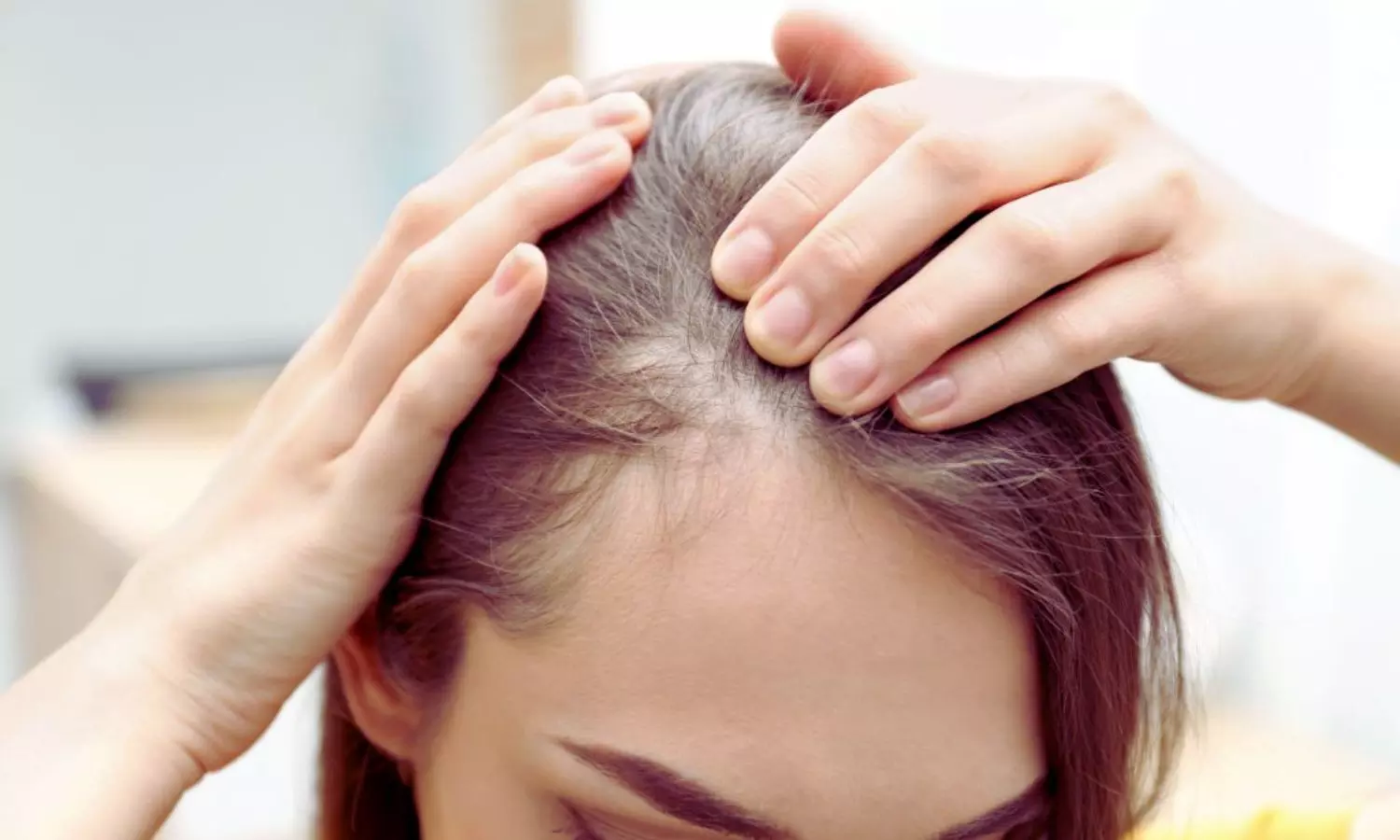


A new study published in The British Journal of Dermatology showed that one modifiable environmental risk factor for alopecia areata (AA) may be exposure to ambient particulate matter (PM) air pollution.
New epidemiological data emphasizes how important environmental triggers are, especially prolonged exposure to ambient PM. PM2.5 and other fine particulate matter can get through the skin's barrier and cause systemic inflammation and oxidative stress. It is becoming more well acknowledged that this long-term environmental assault might dysregulate the immunological privilege of hair follicles, raising the likelihood of alopecia areata in susceptible groups. Thus, this study investigated putative biological pathways and evaluate the epidemiologic relationship between long-term PM exposure and incident AA risk.
The risk of incident AA, defined as ≥3 outpatient claims with pertinent diagnostic codes within a 1-year period, was assessed in the epidemiologic study, which linked annual average concentrations of fine (PM2.5) and coarse (PM10) PM to people who underwent national health screening between 2006 and 2022. Human hair outer root sheath (ORS) cells were subjected to different quantities of PM10-like fine dust for a whole day in the initial in vitro experiment. Western blotting, immunofluorescence, and quantitative real-time polymerase chain reaction were used to assess the expression of inflammatory cytokines.
Increased risk of incident AA was linked to higher long-term exposure to PM2.5 and PM10 (per 10μg/m3 increase, adjusted HR 1.45, 95% CI 1.39-1.52 for PM2.5 and adjusted HR 1.32, 95% CI 1.28-1.36 for PM10). The strongest correlation was found for alopecia universalis subtype (per 10μg/m3 increase, adjusted HR 2.23, 95% CI 1.83-2.63 for PM2.58-2.07 for PM10). In ORS cells, exposure to PM10 enhanced the production of reactive oxygen species, the expression of IL-1β, IL-6, IL-8, and IL-15RA, and the phosphorylation of p38 and STAT3.
Overall, this research discovered that by triggering particular inflammatory pathways involved in the disease process, PM exposure may lead to the development of AA. These results emphasize the significance of public health initiatives to limit exposure to air pollution, which may help lower the incidence of alopecia areata.
Source:
Kim, M., Nam, J., Lee, J., Kang, S., Heo, J., Woo, H., Kang, S.-W., Park, J. Y., Huh, C.-H., Cho, J., Kang, D., & Shin, J.-W. (2026). Long-term particulate matter exposure and risk of alopecia areata: A nationwide epidemiological study with preliminary in vitro evidence. The British Journal of Dermatology, ljag254. https://doi.org/10.1093/bjd/ljag254

