
Bedside Monitoring Tools Enhance Management of Complex Tropical Infections, Suggests Study
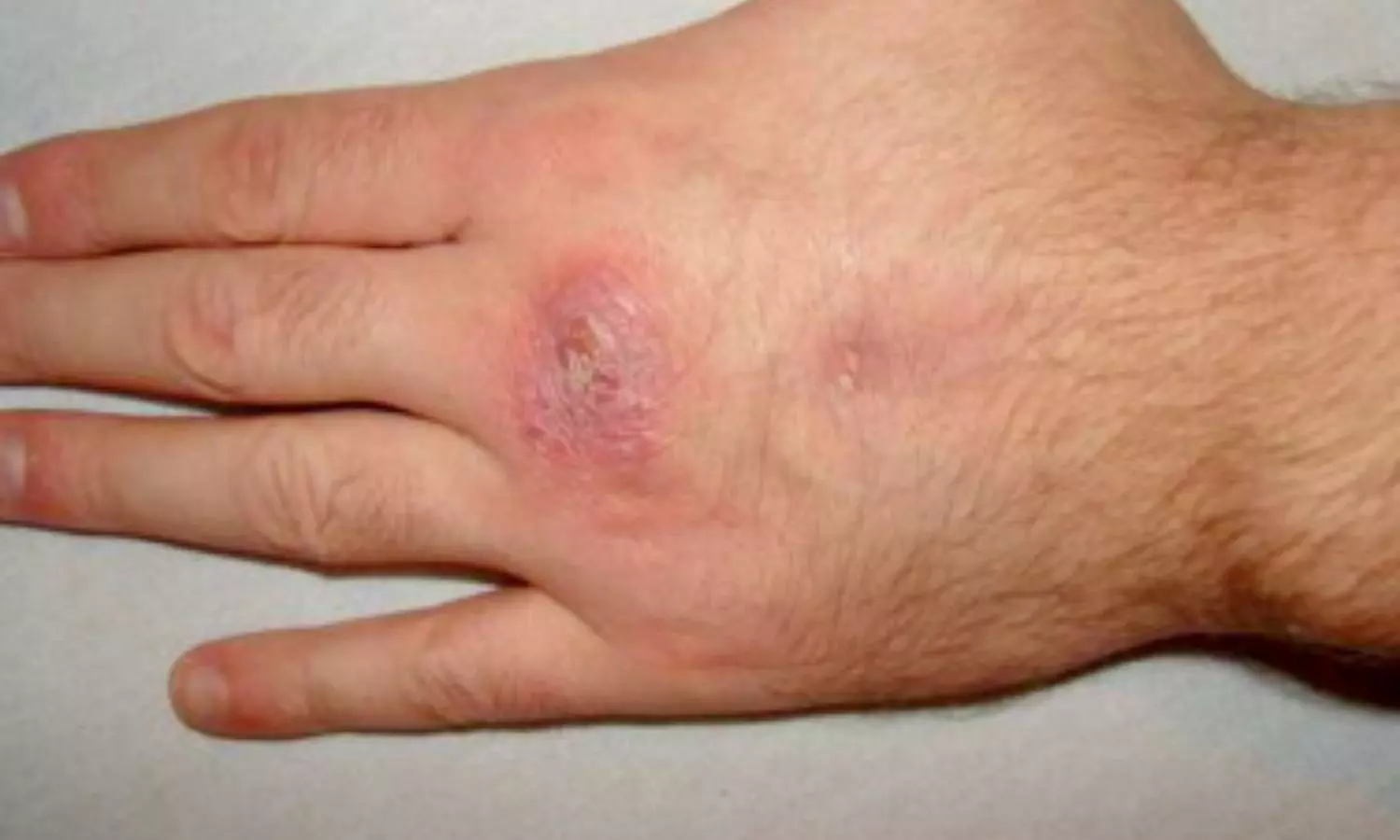


A recent descriptive study published in the Indian Journal of Dermatology in April 2026 highlights management of complex tropical infections by utilizing practical bedside tools—such as precise lesion mapping, systematic sinus counts, and overnight grain assessments—clinicians gain vital, real-time insights into treatment efficacy, enabling faster therapeutic adjustments and significantly enhancing patient care.
Diagnosing mycetoma is clinically challenging due to the low sensitivity of routine histopathology and cultures, often necessitating empirical treatment. To address the resulting gap in tracking patient progress, Dr. Sonika Garg and colleagues at AIIMS Bhubaneswar highlighted standardized bedside monitoring techniques to dynamically evaluate therapeutic responses.
Therefore, the descriptive study outlines practical bedside methods to continuously monitor a patient's therapeutic response. Serving as an accessible, real-time clinical guide, these parameters can be easily tracked on a weekly basis for inpatients and monthly for outpatients.
Key Clinical Findings of he Study Includes:
Lesion Mapping: Researchers demonstrate that tracing morphological dimensions on a transparent polythene sheet accurately tracks the shrinking size of distinct nodules and the increasing distance between healing lesions over time.
Girth Measurement: Investigators highlight that routinely measuring the circumference of the affected swelling from a fixed bony landmark provides a highly reliable, objective indicator of positive therapeutic regression.
Sinus Evaluation: Clinicians found that maintaining a meticulous chronological table of active, discharging, and recently healed sinuses delivers a direct, quantifiable marker of localized disease progression or improvement.
Grain Assessment: The study reveals that observing the changing quantity and size of organism-loaded grains collected via overnight normal saline-soaked gauze correlates closely with the underlying infectious load and response to systemic therapy.
Pain and Mobility Tracking: Authors note that calculating the range of motion across adjacent joints, while integrating a modified Visual Analogue Scale (VAS) alongside standard Patient-Related Outcome Measures (PROM), successfully captures nuanced shifts in symptom severity and functional restoration.
The results suggest that integrating systematic, low-cost bedside assessments—like methodically measuring lesion girth in centimeters and tracking symptom intensity on a 0 to 10 scale—offers clinicians an indispensable, evidence-based framework for monitoring complex mycetoma treatments. These practical tools empower healthcare providers (HCPs) to continuously validate therapeutic efficacy and efficiently adapt care plans in resource-limited environments.
Adopting these readily accessible bedside evaluation techniques may gently guide dermatologists and general physicians in making more informed, timely, and appropriate adjustments to empirical medical therapies for patients suffering from this often-neglected tropical disease.
While the manuscript functions primarily as a practical clinical overview rather than a controlled trial and thus omits explicit methodological limitations, it subtly implies that future research exploring these hands-on diagnostic measures across broader, controlled multicenter settings could further standardize this evaluation process.
Reference
Garg S, Gowda SK, Rout AN, Sirka CS, Semy V. Bedside monitoring of mycetoma: A neglected undertaking in a neglected tropical disease. Indian J Dermatol 2026;71:142-4.
