
Chickenpox Vaccination Linked to Lower Risk of Shingles in Later Life, Suggests Study
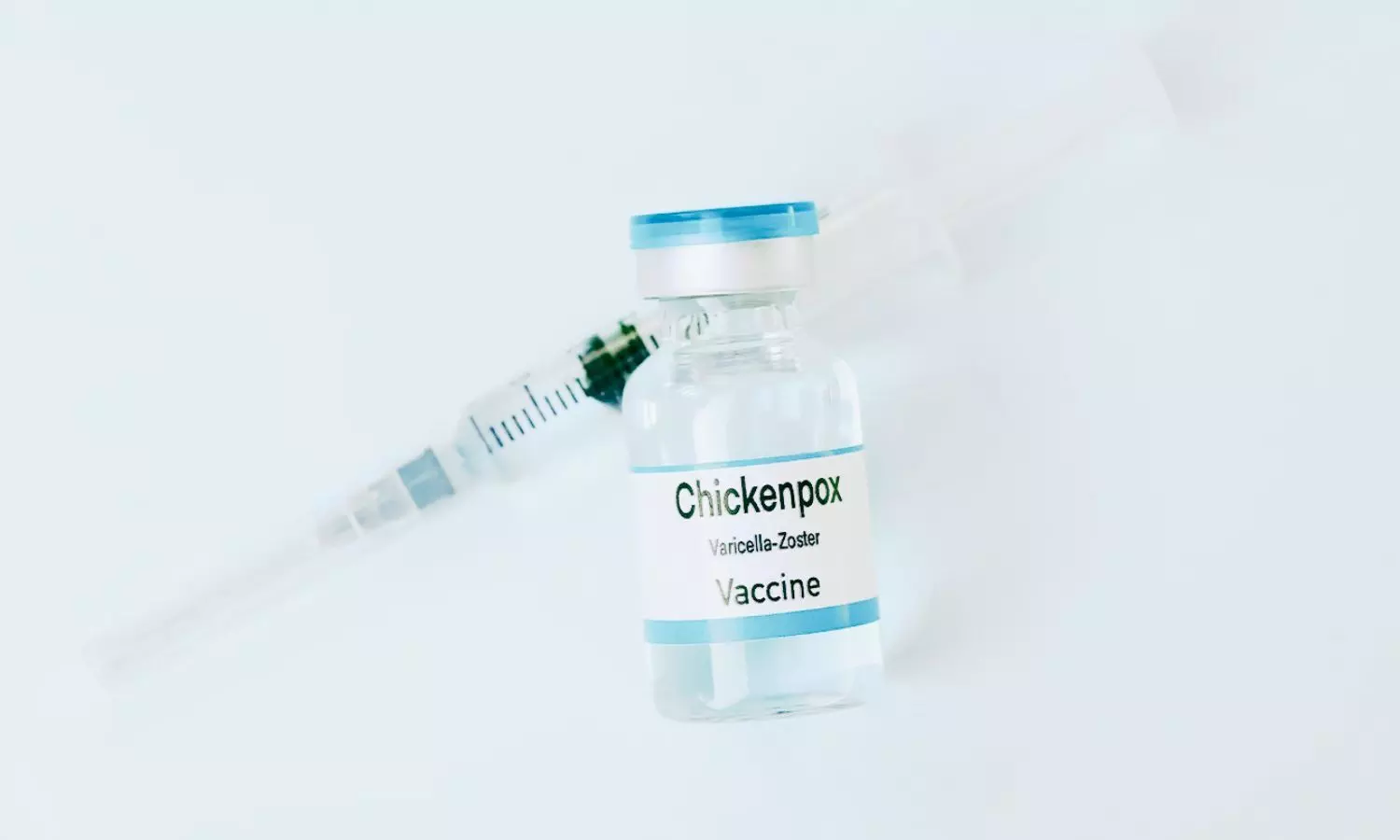


USA: An analysis by Epic Research found that children vaccinated against chickenpox have a lower risk of developing shingles later in life than those infected with the wild-type varicella-zoster virus. The findings suggest that childhood varicella vaccination may reduce the future burden of shingles. While shingles rates are declining among younger people, they are increasing among older adults.
The study, based on electronic health records from more than 85 million U.S. adults, found that the sharpest decline in shingles diagnoses occurred among birth cohorts that became eligible for routine childhood chickenpox vaccination following its introduction in the United States in 1995. The findings highlight a notable difference in shingles burden across generations, although individual vaccination status was not assessed.
Shingles, also known as herpes zoster, develops when the varicella-zoster virus, which causes chickenpox, reactivates after remaining dormant in nerve tissue. Approximately one in three people in the United States develop shingles during their lifetime. The risk increases with age and weakened immunity, making prevention particularly important among older adults and immunocompromised individuals.
For this analysis, researchers published by Epic Research under the Cosmos Study examined electronic health records from January 1, 2017, to June 30, 2026. Incidence trends were reported from 2019 onward, with the earlier years used to establish a 12-month look-back period. The researchers assessed shingles diagnoses across birth-year cohorts and tracked new cases among adults aged 18 to 49 years.
The analysis revealed the following findings:
- Shingles diagnoses increased substantially with age: The rate was 181.9 per 10,000 adults born between 1968 and 1975, compared with 6.9 per 10,000 among those born between 2006 and 2008, representing an approximately 26-fold difference.
- The steepest decline coincided with the introduction of childhood vaccination: Shingles diagnoses dropped from 45.5 per 10,000 among people born between 1991 and 1995 to 17.3 per 10,000 among those born between 1996 and 2000, marking a 62% reduction between consecutive birth cohorts.
- Younger adults experienced declining shingles rates: Incidence decreased across younger age groups, with rates among adults aged 25–29 falling by more than 50% to approximately 3 per 10,000 by 2026. Declines were also observed among those aged 18–24 and 30–34.
- Rates increased among older adults: Among people aged 40–49, shingles incidence rose over the study period after an initial decline. By 2026, the rate among women aged 45–49 had reached approximately 16 per 10,000.
- Sex-related differences emerged with age: Men and women had comparable rates in younger age groups, while women showed increasingly higher rates in older groups.
The researchers note that the decline in shingles among younger adults may reflect the growing proportion of people born after the introduction of childhood chickenpox vaccination. However, individual vaccination status was not assessed, preventing causal conclusions.
The findings may also have been influenced by COVID-19-related disruptions to healthcare use and the shift to telehealth during 2020–2021, which could have affected outpatient diagnoses.
The decline across younger birth cohorts suggests a potential long-term benefit of childhood varicella vaccination, warranting further monitoring as these cohorts age.
Reference:
Bartelt K, Volker N, Butler S, Deckert J. First Birth Cohort Eligible for Chickenpox Vaccine Had a Sharp Drop in Shingles Cases. Epic Research. https://epicresearch.org/articles/first-birth-cohort-eligible-for-chickenpox-vaccine-had-a-sharp-drop-in-shingles-cases. Accessed on October 10, 2026.
