
Chronic Skin Diseases Linked to Addictive Behaviors via Reduced Quality of Life: Study
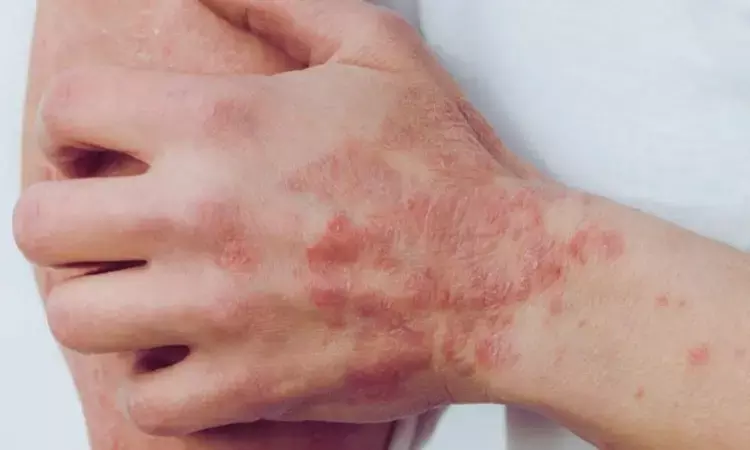


Germany: Higher Dermatology Life Quality Index (DLQI) scores were positively correlated with addictive behaviors, suggesting maladaptive coping mechanisms among patients with chronic skin diseases.
The study included 3,585 adults with conditions such as psoriasis, vitiligo, atopic dermatitis, and hidradenitis suppurativa, treated at tertiary dermatology centers across 20 European countries, highlighting the psychosocial burden of chronic dermatologic conditions.
Published in the Journal of the European Academy of Dermatology and Venereology, the pan-European study was led by Stefanie Ziehfreund from the Department of Dermatology and Allergy at the Technical University of Munich, along with colleagues. The research aimed to assess the prevalence of addictive behaviors among patients with chronic skin diseases and to identify demographic and disease-related factors that may contribute to these behaviors.
Chronic skin conditions are well known to affect psychological well-being, often leading to stress, anxiety, and depression. These psychological challenges can trigger maladaptive coping mechanisms, including addiction. Despite previous evidence suggesting higher addiction rates among dermatology patients, data from large multicenter European studies were limited. The study sought to address this gap by systematically evaluating addiction patterns across multiple dermatologic conditions.
The cross-sectional study recruited adult patients with psoriasis, atopic dermatitis, hidradenitis suppurativa, alopecia areata, urticaria, or vitiligo from tertiary dermatology departments in 20 European countries. Participants completed standardized questionnaires capturing sociodemographic information, disease characteristics, and addictive behaviors, including smoking, alcohol and drug use, gambling, internet use, and eating disorders. Statistical analyses included descriptive measures and multivariate logistic regression to identify associations.
The study led to the following findings:
- Among 3,585 participants, 25.7% reported smoking.
- Pathological gambling was reported by 4.5% of participants.
- Hazardous drinking affected 8.8% of the cohort.
- Alcohol dependence was present in 2.5% of participants.
- Drug use disorders were reported by 5.3% of participants.
- Eating disorders were reported by 1.8% of participants.
- Internet addiction was reported by 29.7% of participants.
- Smoking was especially common among patients with psoriasis and hidradenitis suppurativa (48.6%).
- Gambling behaviors were more prevalent among individuals with alopecia areata and vitiligo (8.2%).
- Higher rates of addiction were associated with male sex, younger age, single relationship status, higher DLQI scores, and regional differences.
- The positive correlation between DLQI and multiple addictive behaviors highlights the role of reduced quality of life in promoting maladaptive coping.
The researchers highlighted the importance of integrating addiction screening and supportive mental health services into dermatologic care, especially for high-risk patients. They emphasized that population-based studies with control groups are needed to confirm these findings and guide targeted interventions.
"The study demonstrates that addictive behaviors are common among patients with chronic skin diseases in European tertiary care centers. The findings underline the necessity of routine addiction assessment in dermatology settings and suggest that multidisciplinary approaches addressing both physical and psychological health could improve patient outcomes," the authors concluded.
Reference:
Ziehfreund, S., Saak, M., Schaal, A., Mazilu, R., Mahé, E., Hajj, C., Johansson, E. K., Lysell, J., Sigurdardottir, G., Legat, F. J., Koch, C., Schmieder, A., Glatzel, C., Kirby, B., Pender, E., Zalewska-Janowska, A., Tomaszewska, K., Ciccarese, G., Lauriola, P., . . . Zink, A. Addiction and chronic skin diseases: A Pan-European study on prevalence, associations and patient impact. Journal of the European Academy of Dermatology and Venereology. https://doi.org/10.1111/jdv.70245

Next Story