
Decoding Immune Pathways of Leprosy Reactions Enables Precision Diagnostics and Treatment, Suggests Review
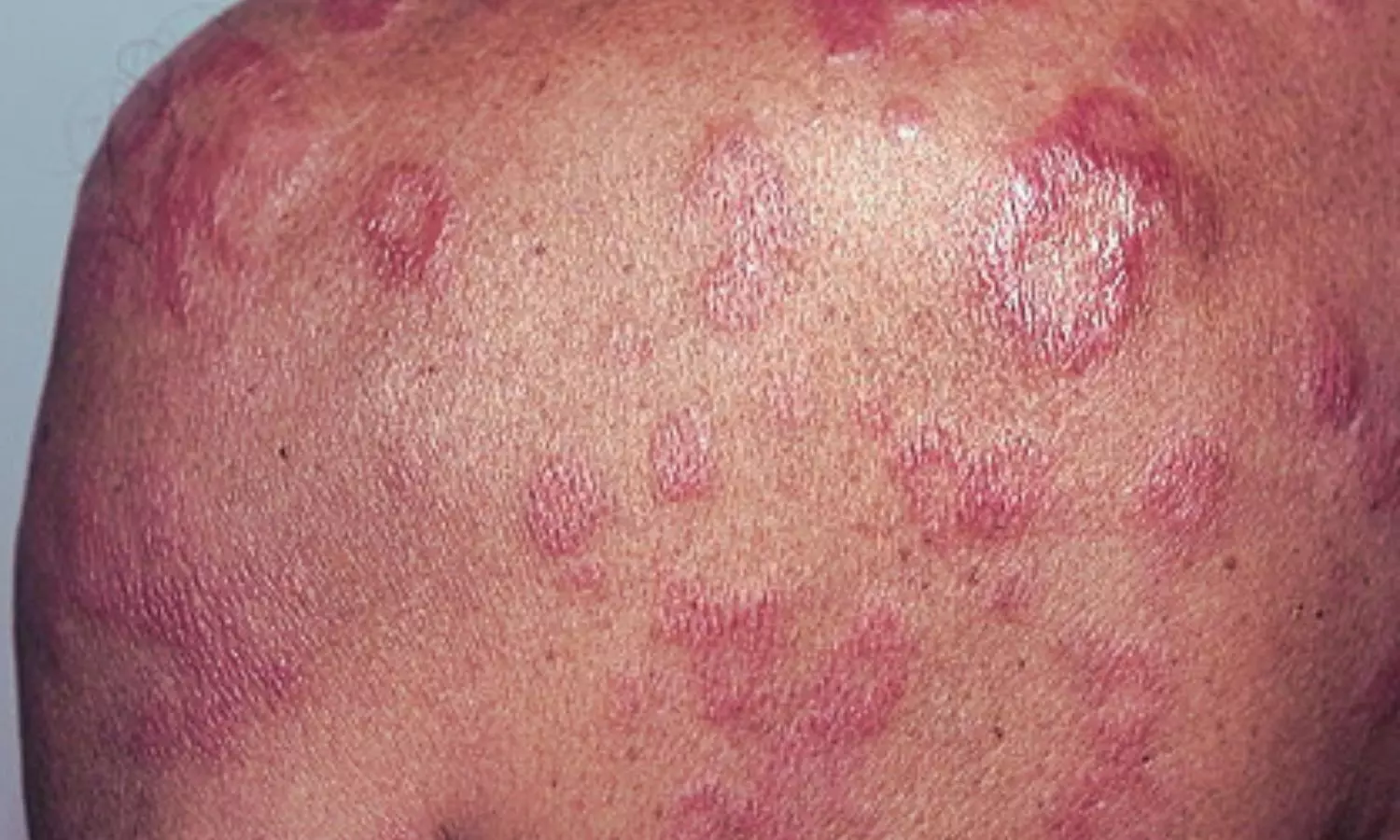


A recent comprehensive review published in the Indian Journal of Dermatology, Venereology, and Leprology in June 2025 reveals that decoding the complex immune pathways of leprosy reactions-which strike nearly 50% of patients—is finally enabling precision diagnostics and targeted biological interventions to prevent permanent functional morbidity.
Leprosy reactions remain major causes of functional morbidity despite existing multidrug therapy, and a persistent clinical gap exists because the lack of experimental animal models hinders our understanding of their sudden immunological onset. Dr. Tarun Narang and colleagues from the Postgraduate Institute of Medical Education and Research, Chandigarh, aimed to bridge this void by synthesizing cutting-edge insights into the pathophysiology, diagnostic biomarkers, and novel therapeutic strategies for these acute episodes.
Therefore, the comprehensive review systematically analyzes recent advancements in leprosy reaction management, focusing on the distinct mechanisms of Type 1 Reaction (T1R) and Erythema Nodosum Leprosum (ENL) across various clinical populations. By evaluating molecular signatures, high-resolution imaging, and emerging immunomodulators, the authors identify primary goals for improving early detection and secondary endpoints for preventing permanent neural damage in both acute and chronic cases.
Key Clinical Findings of the Review Include:
• Early Prediction: In the review a transcriptomic signature of five specific genes—CCL2, CD8A, IL2, IL15, and MARCO—can accurately predict reversal reactions at least 14 days before clinical symptoms manifest.
• Diagnostic Biomarkers: The Neutrophil-to-Lymphocyte Ratio (NLR) serves as a practical diagnostic tool, with a specific cutoff of 2.75 demonstrating 77% accuracy for identifying leprosy reactions.
• Advanced Imaging: High-Resolution Ultrasonography (HRUS) combined with Color Doppler (CD) effectively detects minimal nerve involvement and active neuritis even when motor responses are absent in conventional nerve conduction studies.
• Novel Therapies: Emerging treatments like apremilast, a phosphodiesterase-4 inhibitor, and methotrexate offer promising steroid-sparing alternatives for managing chronic or recurrent ENL.
• Immunotherapy: The review confirms that administering the Mycobacterium indicus pranii (MIP) vaccine alongside standard treatment significantly clears bacilli faster and reduces the overall incidence of reactional morbidity after six months.
The results suggest that while leprosy reactions remain a significant challenge, the identification of specific immune pathways like the Th17-Treg axis and Toll-like receptor 9 signaling offers concrete targets for future management. These findings indicate that integrating molecular diagnostics and second-line immunomodulators could revolutionize how clinicians prevent the devastating neural outcomes associated with these episodes.
Thus, the review concludes clinicians should consider utilizing neutrophil-to-lymphocyte ratios and high-resolution ultrasound for earlier detection and monitoring of reactions to safeguard patient nerve function.
While the absence of perfect experimental models limits our grasp of early pathogenesis, future longitudinal research into predictive biomarkers is essential to refine personalized treatment protocols for recalcitrant cases.
Reference
Mehta H, Jain S, Narang T, Chhabra S, Dogra S. Leprosy reactions: New knowledge on pathophysiology, diagnosis, treatment and prevention. Indian J Dermatol Venereol Leprol. 2025;91:470-81. doi: 10.25259/IJDVL_915_2024.
