
Dupilumab restores skin barrier function in children with moderate-to-severe atopic dermatitis, study shows
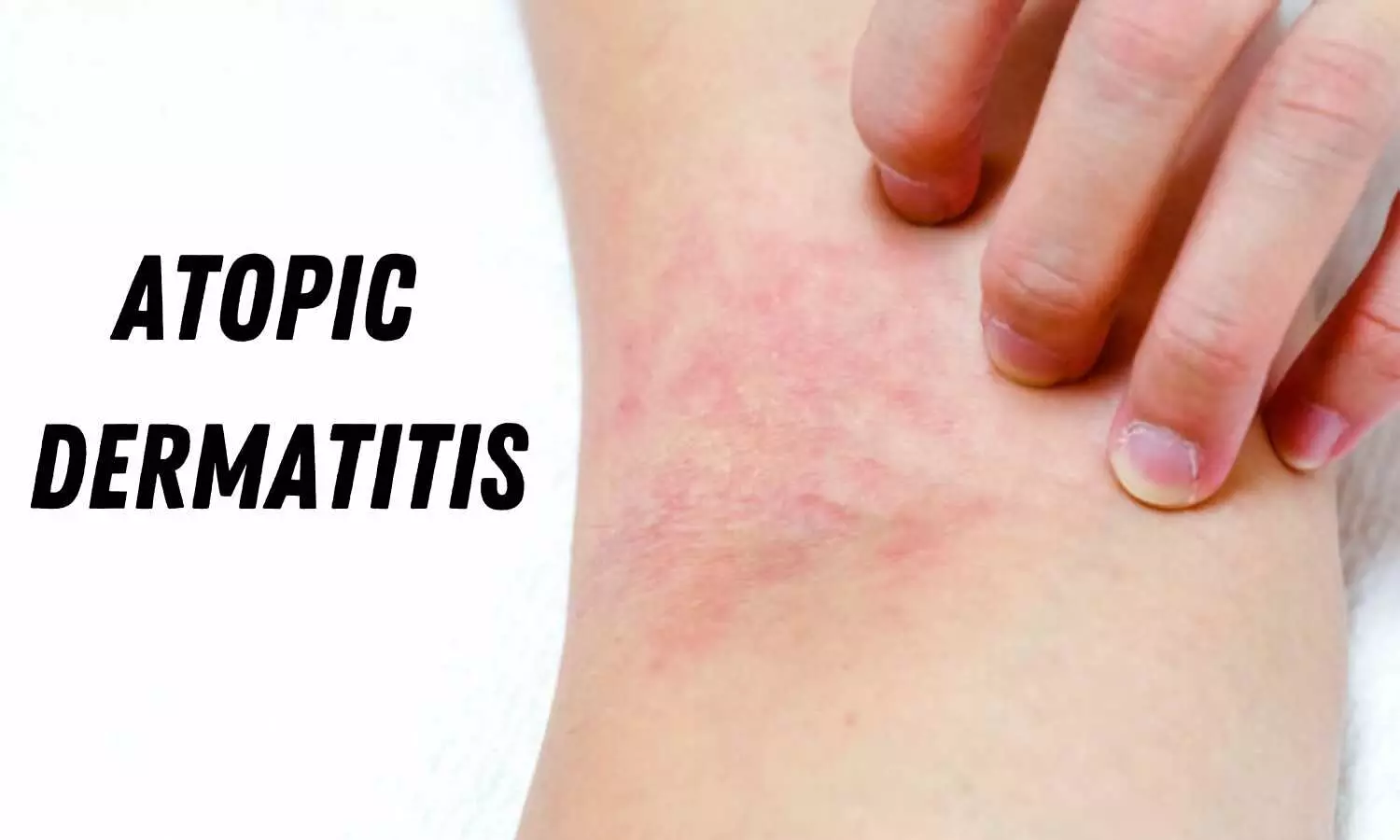


A new study led by investigators at National Jewish Health and published in Annals of Allergy, Asthma & Immunology, shows that treatment with dupilumab significantly restores skin barrier function and reduces inflammation in children ages 6 to 11 with moderate-to-severe atopic dermatitis (eczema). Using advanced, noninvasive techniques, researchers found improvements not only in visible eczema lesions but also in clinically unaffected skin, highlighting the systemic nature of the disease.
“Atopic dermatitis is not just a surface rash. It is a chronic inflammatory disease driven by immune dysfunction and a compromised skin barrier,” said senior author Donald Leung, MD, PhD, director of the Food Allergy & Asthma Program at National Jewish Health. “Our study demonstrates that dupilumab helps normalize the skin barrier in children, including areas of skin that appear clinically unaffected. These findings suggest we may be addressing the underlying disease process, not just treating symptoms.”
Researchers evaluated skin barrier function using transepidermal water loss, a measure of how much water escapes through the skin, and optical coherence tomography, a noninvasive imaging technique that measures epidermal thickness. At baseline, children with atopic dermatitis had significantly higher transepidermal water loss and thicker epidermis in both lesional and non-lesional skin compared to healthy controls, which is evidence of widespread barrier dysfunction and inflammation.
“These objective, noninvasive tools allowed us to see that dupilumab not only improves what we can observe clinically but also repairs deeper structural and functional abnormalities in the skin,” Dr. Leung said.
“Repairing the skin barrier early in life may have important implications for preventing progression to other allergic conditions,” Dr. Leung continued. “Childhood represents a critical window of opportunity when the immune system is still highly adaptable.”
Dupilumab was generally well tolerated. No serious or severe adverse events occurred with treatment, and none led to treatment discontinuation.
Reference:
Cork, Michael J. et al., Dupilumab treatment restores epithelial barrier in nonlesional and lesional skin in children with atopic dermatitis, Annals of Allergy Asthma & Immunology, DOI:10.1016/j.anai.2026.01.008
