
FDA Approves Bemotrizinol: First New Sunscreen Ingredient Added in Decades
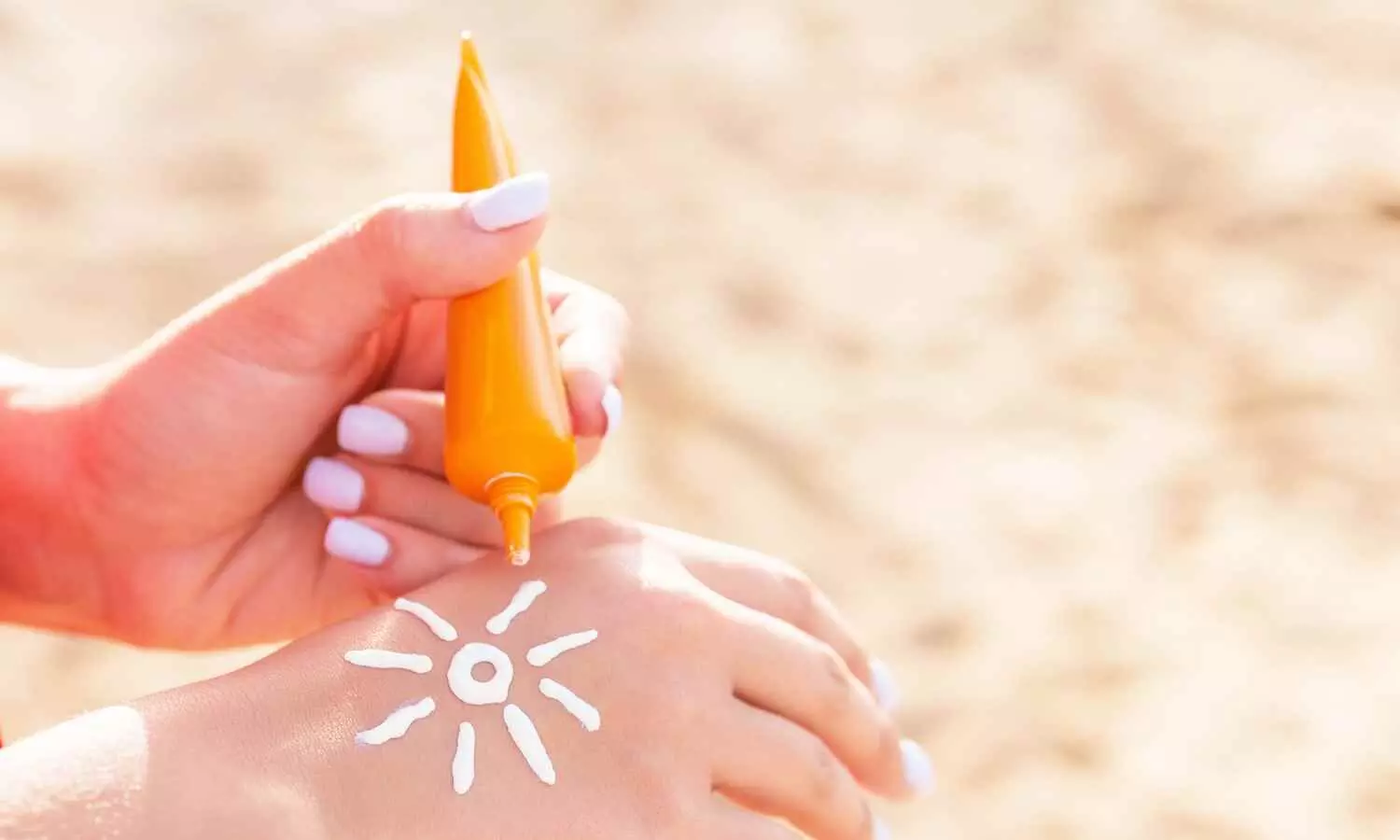


The U.S. Food and Drug Administration (FDA) has finalized the inclusion of bemotrizinol as an approved active ingredient in over-the-counter (OTC) sunscreen products, making it the first new sunscreen active ingredient added to the U.S. OTC sunscreen monograph since the late 1990s.
Bemotrizinol is a broad-spectrum ultraviolet (UV) filter that provides protection against both UVA and UVB radiation, helping to prevent sunburn, skin damage, premature skin aging, and skin cancer. The ingredient has been widely used in sunscreen formulations in many countries for years and is recognized for its photostability and effective UV protection.
The FDA's decision expands access for U.S. consumers to an internationally established sunscreen ingredient while maintaining existing OTC monograph requirements regarding dosage, labeling, indications, and other safety and efficacy standards. The addition is expected to enhance sunscreen formulations and strengthen strategies aimed at reducing the risk of skin cancer through improved broad-spectrum sun protection.
“As promised in the Trump Administration’s MAHA Strategy Report, HHS is advancing innovation by bringing a new sunscreen ingredient to the U.S. market for the first time in 20 years,” said HHS Secretary Robert F. Kennedy, Jr. “Bemotrizinol has been used safely in Europe for decades, and FDA’s action will increase competition and consumer confidence in sunscreen products.”
FDA finalized this action within seven months of issuing the proposed order. The new ingredient has been marketed as a sunscreen ingredient in Europe and many countries around the world for years.
“This is exactly the kind of progress we can achieve when we modernize our processes and apply sound science to regulatory decisions,” said Mike Davis, M.D., Ph.D., Acting Director of the FDA Center for Drug Evaluation and Research (CDER). “The FDA is committed to ensuring the American consumer has access to the most effective and safe therapies, including over-the-counter products like sunscreens.”
Bemotrizinol provides protection against both ultraviolet A and B rays and has low levels of absorption through the skin into the body. The FDA considers bemotrizinol to be generally recognized as safe and effective (GRASE) for use in sunscreens by adults and children 6 months of age and older.
Bemotrizinol is the first new active ingredient added to an OTC monograph under the streamlined process established by the CARES Act. Today’s action aligns with the Make America Healthy Again (MAHA) Strategy Report priority, "FDA will promote innovation in the sunscreen market, and improve regulatory processes for over-the-counter sunscreen, which has fallen behind other countries."
“The FDA’s rigorous standards ensure consumers can be confident in the sunscreens and other nonprescription drugs they use,” said Karen Murry, M.D., Director of the Office of Nonprescription Drugs in CDER. “Now, through the best available science and updated regulatory framework, we can work with companies to get innovative products to market in a more efficient manner than ever before.”
An OTC monograph drug, such as a sunscreen product, can enter the market without an approved drug application if it meets certain requirements, including conditions established in its monograph such as permitted active ingredients, uses, and doses. The FDA can modify an OTC monograph through an administrative order, and a drug company may start the process by submitting an OTC monograph order request.
DSM Nutritional Products LLC submitted an OTC monograph order request to add bemotrizinol, at concentrations up to 6 percent, as a new active ingredient in the OTC monograph for sunscreens. The FDA reviewed the request and proposed to amend the OTC monograph to add bemotrizinol as a sunscreen active ingredient. The agency issued a proposed order on December 12, 2025, to this effect, and the public could submit comments from December 12, 2025 - January 26, 2026.
