
Hirsutism Creates Stigma and Barriers to Gender-Affirming Hair Removal: JAMA
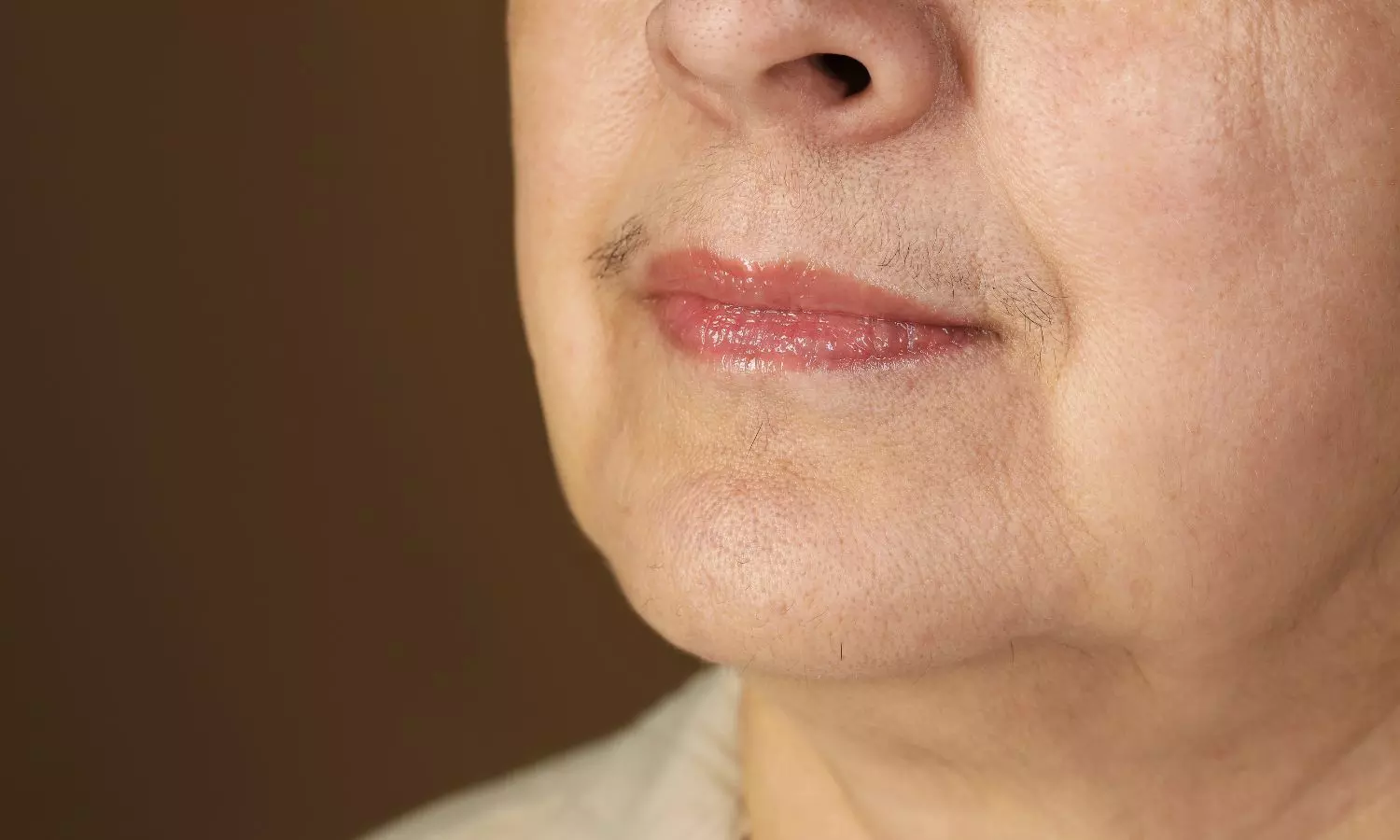


A new study published in the Journal of American Medical Association showed that transgender women and nonbinary adults who were identified as male at birth faced discrimination due to excessive body hair and encountered obstacles in accessing permanent hair removal methods.
Hirsutism is frequently linked with gender dysphoria in transgender and gender-diverse people, leading many to pursue permanent hair removal. There is limited research on how hirsutism affects life and stigma in gender minority communities. Hence, this research explored the real-life experiences of hirsutism and its treatment in transgender and gender-diverse individuals.
Qualitative research was conducted, involving semi-structured interviews with transgender women and nonbinary individuals who were assigned male at birth. The study took place in three clinical settings in Atlanta, Georgia, between February 7 and June 26, 2023. The participants reported on their experiences with excess body hair. The interviews focused on understanding their encounters with excessive body hair and the methods used for its treatment, and the data was analyzed using thematic analysis.
Out of the 18 individuals who took part in the research, 17 identified as transgender women and 1 as a nonbinary person who was assigned male at birth. The average age of the participants was 38 years, ranging from 22 to 68. 14 of the participants assessed themselves as having significant levels of hirsutism, while only 1 mentioned receiving an official diagnosis from a healthcare provider.
The participants shared experiences of facing discrimination and being rejected due to hirsutism, leading them to avoid social and romantic interactions in advance. Hirsutism was noted to create challenges in expressing their feminine gender identity and contributed to feelings of gender dysphoria. Many individuals made efforts to hide visible hair in public, keeping tools like razors or tweezers close by for facial hair removal.
Obstacles to achieving permanent hair removal included the burden of appointments, attitudes of healthcare providers, limited availability of transgender-friendly hair removal services, costs involved, and lack of insurance coverage. Overall, transgender women and nonbinary adults who were designated male at birth shared their encounters with stigma related to hirsutism and the challenges they encountered in achieving permanent hair removal.
Reference:
Gold, S., Taye, M., Murdock, A., Delgado, F., Goldberg, R., Siira, M., Joshi, K., Tangpricha, V., Haw, J. S., Schneider, J. S., Goodman, M., Escoffery, C., Owen-Smith, A., Chen, S. C., & Yeung, H. (2026). Lived experience of hirsutism in transfeminine individuals. JAMA Dermatology (Chicago, Ill.). https://doi.org/10.1001/jamadermatol.2026.3664

