Ivermectin and Encapsulated Benzoyl Peroxide Show Superior Short-Term Efficacy for Rosacea: JAMA
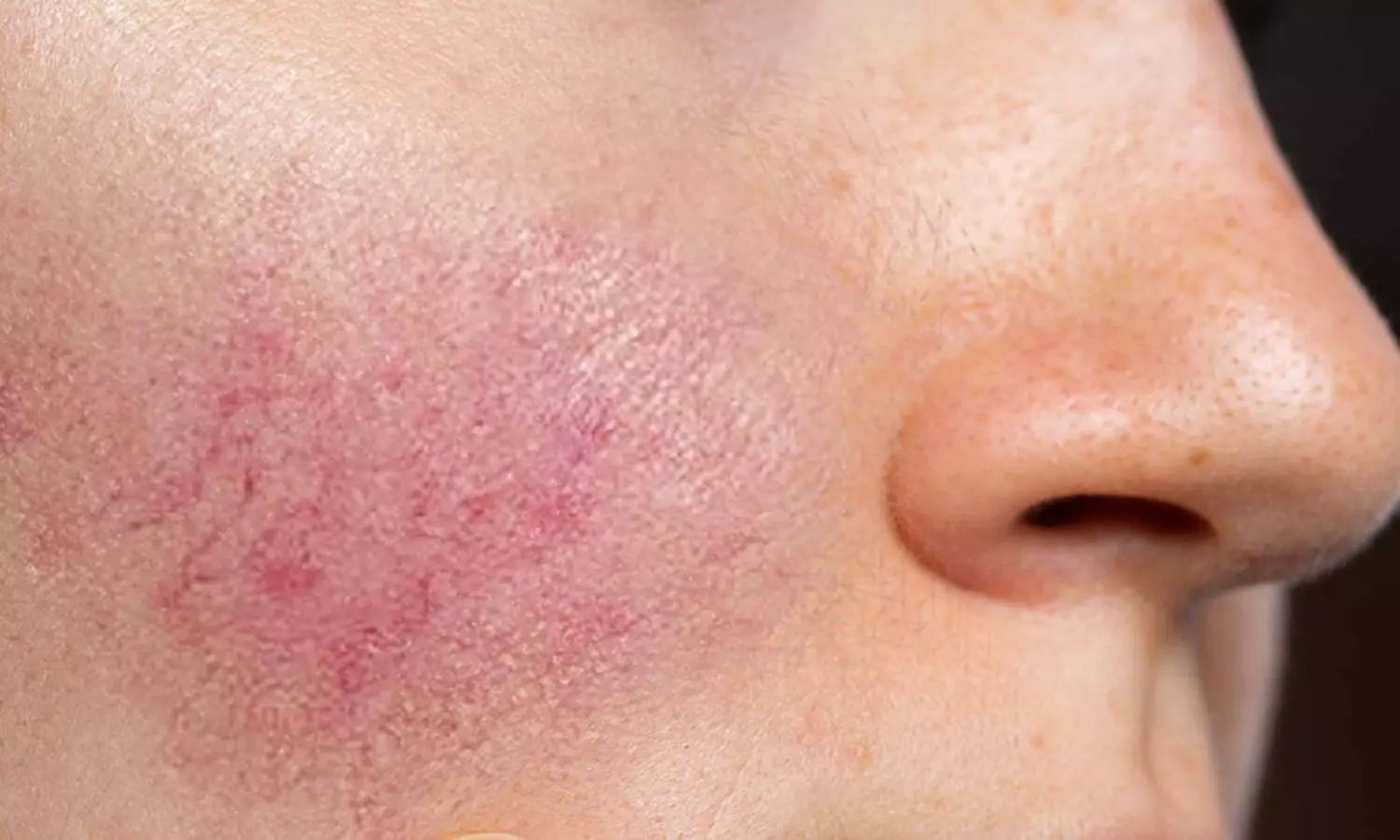


A recent systematic review and network meta-analysis has found that topical ivermectin and encapsulated benzoyl peroxide were more effective than metronidazole in achieving short-term improvement in rosacea. However, encapsulated benzoyl peroxide was associated with a higher rate of treatment discontinuation due to adverse events. These findings suggest that ivermectin and encapsulated benzoyl peroxide may offer superior short-term efficacy among U.S. FDA-approved topical therapies for rosacea, although further studies are needed to assess their long-term effectiveness, tolerability, and impact on patient-reported outcomes.
Comparative efficacy and tolerability of topical therapies for rosacea remain incompletely characterized, particularly for novel agents such as encapsulated benzoyl peroxide. A study was done to compare the efficacy and tolerability of topical treatments for moderate to severe rosacea through a systematic review and network meta-analysis of randomized clinical trials (RCTs). Two reviewers independently extracted data and assessed risk of bias using the Cochrane Risk of Bias tool, version 2.0. Data were synthesized using random-effects network meta-analyses. Treatment rankings were estimated using SUCRA (surface under the cumulative ranking) values. Certainty of evidence was assessed using the Grading of Recommendations Assessment, Development and Evaluation framework. Prespecified primary outcomes were mean change in absolute lesion count, Investigator Global Assessment (IGA) success, and discontinuation due to adverse events or effects. Secondary outcomes included patient-reported measures and clinician-assessed erythema.
Of 2858 records screened, 32 RCTs met inclusion criteria, comprising a total of 11 399 adults treated with 10 topical interventions. Most studies had a 8- to 16-week follow-up period. Compared with metronidazole, ivermectin and encapsulated benzoyl peroxide demonstrated greater reductions in lesion count (mean difference [MD], 4.17; 95% CI, 1.85-6.48; and MD, 4.14; 95% CI, 0.62-7.66, respectively) and higher likelihood of IGA success (MD, 10.31; 95% CI, 2.85 to 17.77; and MD, 15.51; 95% CI, 2.35-28.68, respectively). Frequency of discontinuation due to adverse events were similar between treatments, although discontinuation was more frequent with encapsulated benzoyl peroxide than metronidazole (MD, 8.33; 95% CI, 0.45-16.22). Limited data precluded robust quantitative synthesis of patient-reported outcomes and erythema outcomes.
In this systematic review and network meta-analysis, topical ivermectin and encapsulated benzoyl peroxide were more efficacious than metronidazole for rosacea, although encapsulated benzoyl peroxide was also associated with higher discontinuation due to adverse events. Future trials should evaluate long-term efficacy, tolerability, and standardised patient-reported outcomes.
Reference:
Amstutz AV, Sánchez-Feliciano A, Dewey E, Biba U, Salloum L, Barbieri JS. Topical Preparations for Moderate to Severe Rosacea Treatment: A Systematic Review and Network Meta-Analysis. JAMA Dermatol. Published online July 01, 2026. doi:10.1001/jamadermatol.2026.2062
Keywords:
Ivermectin, Encapsulated, Benzoyl Peroxide, Superior, Short-Term Efficacy, Rosacea, JAMA, Amstutz AV, Sánchez-Feliciano A, Dewey E, Biba U, Salloum L, Barbieri JS, Topical